GB Sound module MSM-1
18.01.2024 BEIER-Electronic 6
Setup – model selection
Attention: When activating the setup, outputs 8 of the MSM-1 may be activated! If the
outputs should not be controlled for any reason, the consumers must be separated
from the outputs by unplugging the ribbon cable from X3 before activating the setup.
14 different models are stored in the MSM-1. These sound projects are fix, with all
sound and light settings. No changes can be made to these model settings!
To choose the model, you must proceed as follows:
1. Connect Prop #6 (X2/6) of the MSM-1 with a servo patch cable to a receiver
channel that can be controlled via a control stick, rotary or slide control or a 3-
position switch.
2. Switch on the radio and supply the receiver with voltage.
3. Apply supply voltage to the MSM-1 or switch it on the blue LED flashes 5
times.
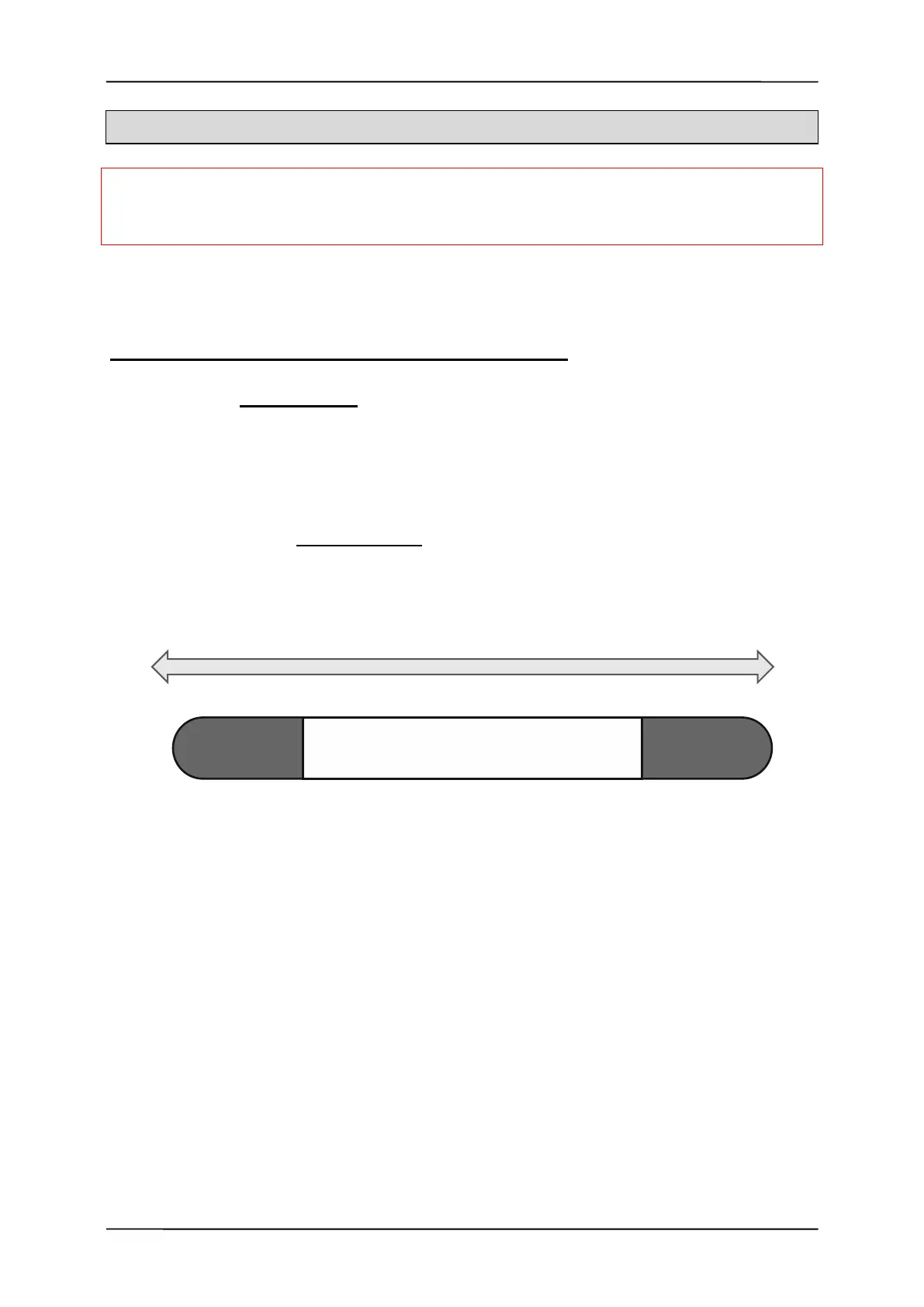
4. Now, within the next 5 seconds, quickly turn the control stick on the radio
(Prop #6) to full deflection at least 3 times in area A (i.e. “up” or “left”) and at
least 3 times in area D (i.e. “down” or “right”). This will start the setup and all 3
LEDs on the MSM-1 will flash quickly for 5 seconds.
5. A
f
t
e
r
After 5 seconds, the number of the set model is displayed with the 3 LEDs on
the MSM-1 (see table on the next page).
6. The number of the model can now be set using the radio. Each time the
control stick is briefly tapped in areas A or D, the model number is increased
or decreased by 1. The lighting or flashing of the LEDs always changes
according to the number.
7. If the control stick on the radio is no longer activated for 30 seconds or the
voltage on the MSM-1 is disconnected, the last model selected will be saved.
The selected model remains until the setup is restarted and a different model
is selected.
N DA
2,0 ms
(+100 %)
1,8 ms
(+80 %)
1,5 ms
(0 %)
1,2 ms
(-80 %)
1,0 ms
(-100 %)


 To Next Page