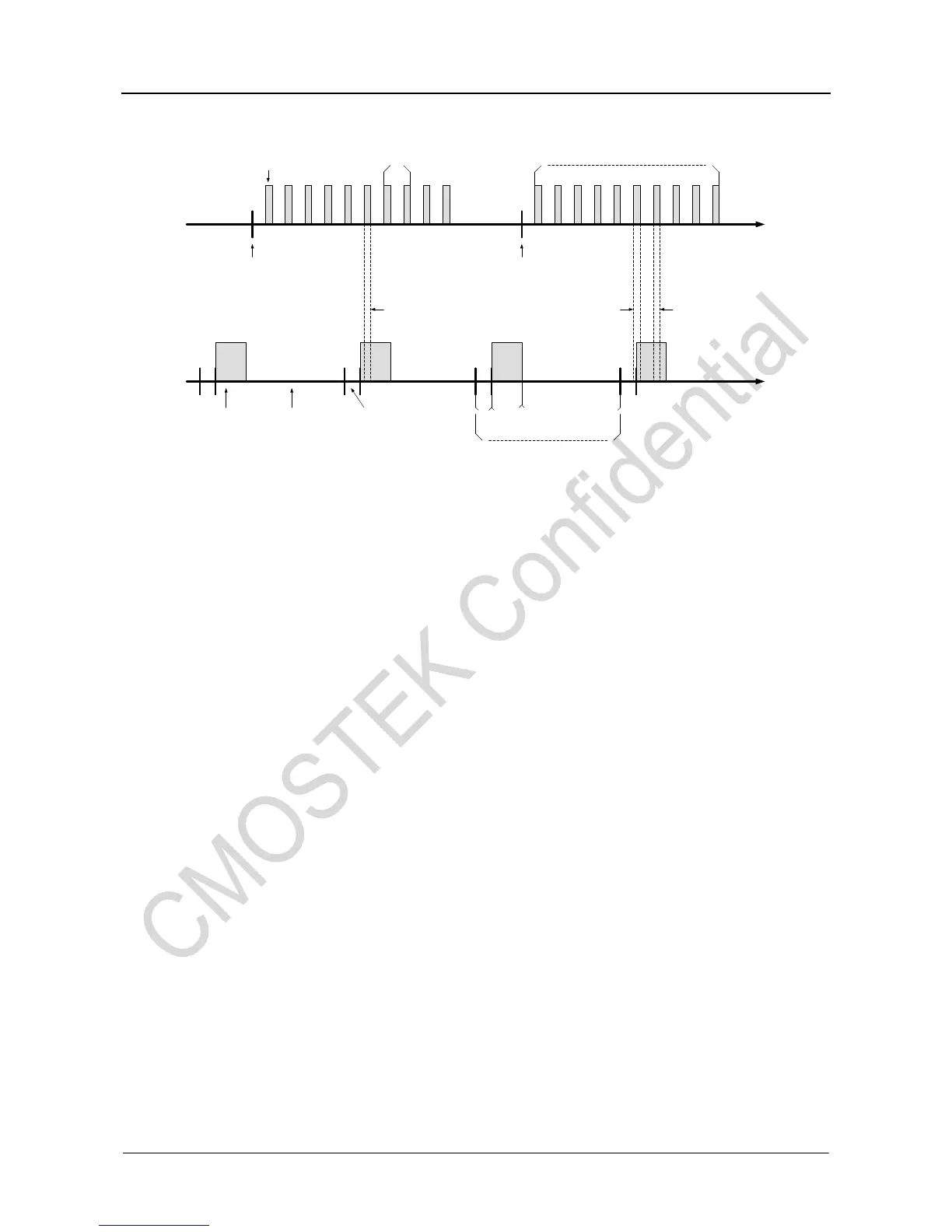
Figure 11. Basic Low Power Transceiver Solution
From the diagram, you can see that only meeting the two computational relationships, RX must be able
to capture the TX data in the Duty-Cycle receiving mode:
1. Entire RX cycle< TX total time of sending N packets per batch
2. RX time> The time that 2 packets plus 1 packet gap
Among of them, a full cycle of RX = RX time+ Sleep time+ Crystal Started and settling time+ PLL
frequency correction time
It can be seen that the basic low power solution is constrained by the computational relation. The user
first needs to make a compromise between the time of SLEEP and the length of transmitting the data, that is,
RX saves power or TX saves power. Second, the user must set the RX time window large enough to 100%
capture the data.
2.3 Channel Sensing
First introduce an important auxiliary mechanism of SLP - channel listening before introducing the various
SLP patterns. This mechanism generates a signal RSSI_VLD by monitoring whether an active signal appears
(1 indicates the presence of the signal and 0 indicates noise). This signal is not only output to the GPIO as an
interrupt, but also to assist the implementation of the SLP as a trigger condition.
There are two mechanisms for channel sensing, namely, PJD (Phase Jump Detector) and RSSI contrast.


 To Next Page