and 1 m/s is larger than that, for example, between 5 m/s and 6 m/s. This allows you to have a
greater precision when you need it most.
Blue and a green thick lines show the response of the audio. You can move the squared cursors
with your finger to tune the curves as you like.
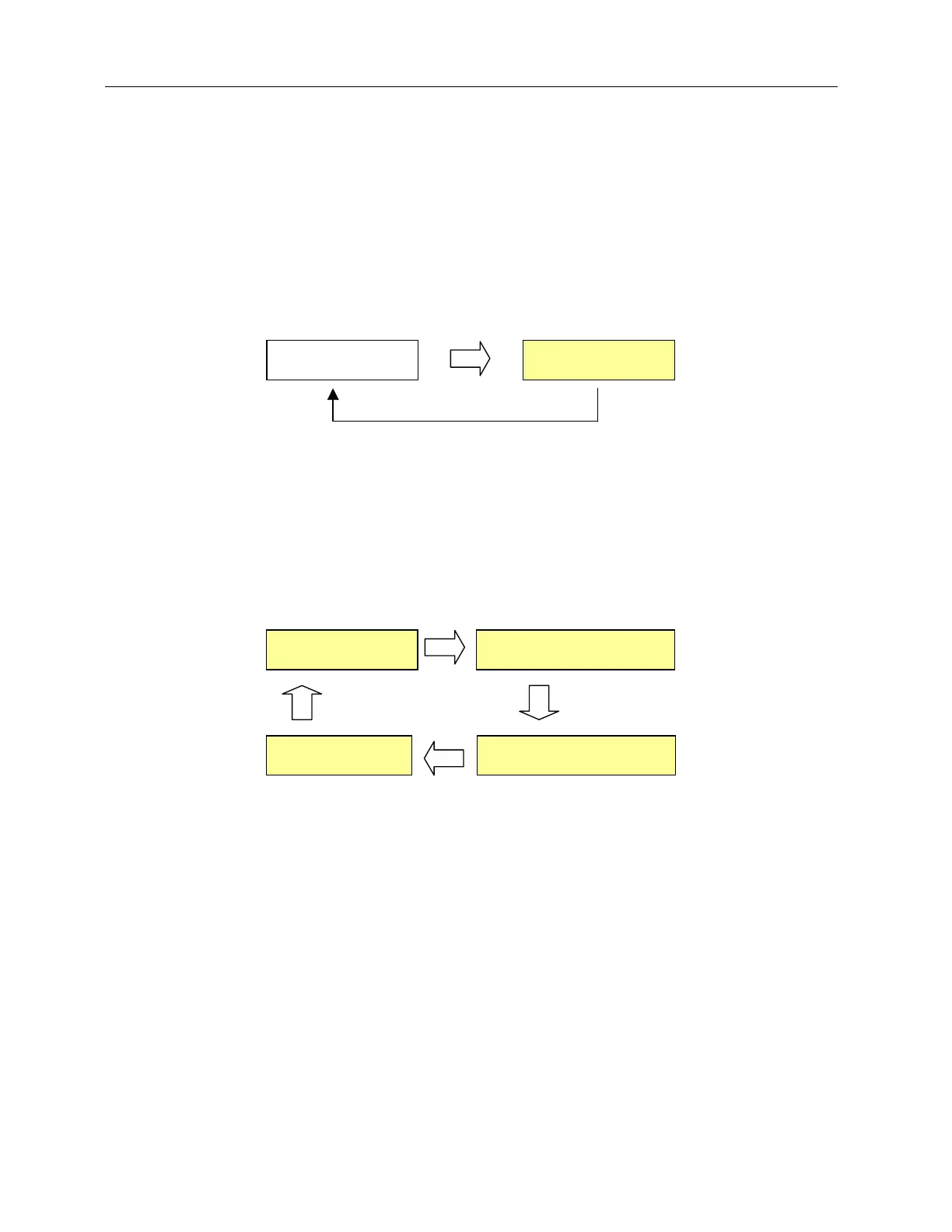
To test your new setting, press the “test” button: when you touch the display you will hear the sound
corresponding to the value of vertical speed that you have “touched.” Pressing “test” again, you go
back to the editing mode to change the curves again.
In the same way, you can tune three other parameters: the number of beeps per second (from 1
beep every two seconds to 5 beeps per second), the beep duration from completely silent (0% ratio
between sound and silence, when the cursors are at the bottom of the plot) to continuous sound
(100% ratio when the cursors are at the top of the plot), and even the volume of the sound at
different vertical velocities.
Warning: the speaker can produce up to 1 W sounds. A loud continuous sound can
reduce the battery life.
The audio menu (Figure 24) includes four commands:
New audio: creates a new audio profile based on the default one;
load audio: loads an audio profile from the USB memory;
rename: opens a virtual keyboard that allows you to change the name of the current audio
profile;
undo the changes: restores the previously saved profile.
Test disabled Test enabled


 To Next Page