ot taht morf tnereffid tiucric a no teltuo na otni tnempiuqe eht tcennoC •
which the receiver is connected.
.pleh rof naicinhcet VT/oidar decneirepxe na ro relaed eht tlusnoC •
Caution:
manufacturer could void the user’s authority to operate the equipment.
The antenna(s) used for this transmitter must not be co-located or operating
in conjunction with any other antenna or transmitter.
Hearing aid compatibility (HAC) regulations for
mobile phones
In 2003, the FCC adopted rules to make digital wireless telephones
compatible with hearing aids and cochlear implants. Although analog
wireless phones do not usually cause interference with hearing aids or
cochlear implants, digital wireless phones sometimes do because of
electromagnetic energy emitted by the phone’s antenna, backlight, or
other components. Your phone is compliant with FCC HAC regulations
(ANSI C63.19-2011).
While some wireless phones are used near some hearing devices (hearing
aids and cochlear implants), users may detect a buzzing, humming, or
whining noise. Some hearing devices are more immune than others to this
interference noise, and phones also vary in the amount of interference they
generate. The wireless telephone industry has developed ratings for some
may be compatible with their hearing devices. Not all phones have been
rated. Phones that have been rated have a label on the box. These ratings are
not guaranteed. Results will vary, depending on the level of immunity of your
hearing device and the degree of your hearing loss. If your hearing device
happens to be vulnerable to interference, you may not be able to use a rated
phone successfully. Trying out the phone with your hearing device is the best
way to evaluate it for your personal needs.
This phone has been tested and rated for use with hearing aids for some of
the wireless technologies that it uses. However, there may be some newer
wireless technologies used in this phone that have not been tested yet for
use with hearing aids. It is important to try the different features of this phone
thoroughly and in different locations, using your hearing aid or cochlear
implant, to determine if you hear any interfering noise. Consult your service
provider or the manufacturer of this phone for information on hearing aid
compatibility. If you have questions about return or exchange policies, consult
your service provider or phone retailer.
M-Ratings: Phones rated M3 or T3 meet FCC requirements and are likely to
generate less interference with hearing devices than phones that are not
labeled. M3 is the better/higher of the two ratings.
T-Ratings: Phones rated M3 or T3 meet FCC requirements and are likely to
be more usable with a hearing device’s telecoil (“T Switch” or “Telephone
Switch”) than unrated phones. T3 is the better/higher of the two ratings. (Note
that not all hearing devices contain telecoils.)
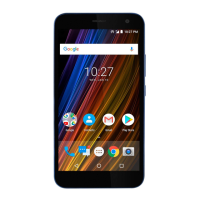
has been tested
for hearing aid device compatibility and
M3/T3 rating.
Hearing devices may also be measured for immunity to this type of
interference. Your hearing device manufacturer or hearing health professional
For additional information about the FCC’s actions with regard to hearing
aid compatible wireless devices and other steps the FCC has taken to ensure
that individuals with disabilities have access to telecommunications services,
please go to www.fcc.gov/cgb/dro.
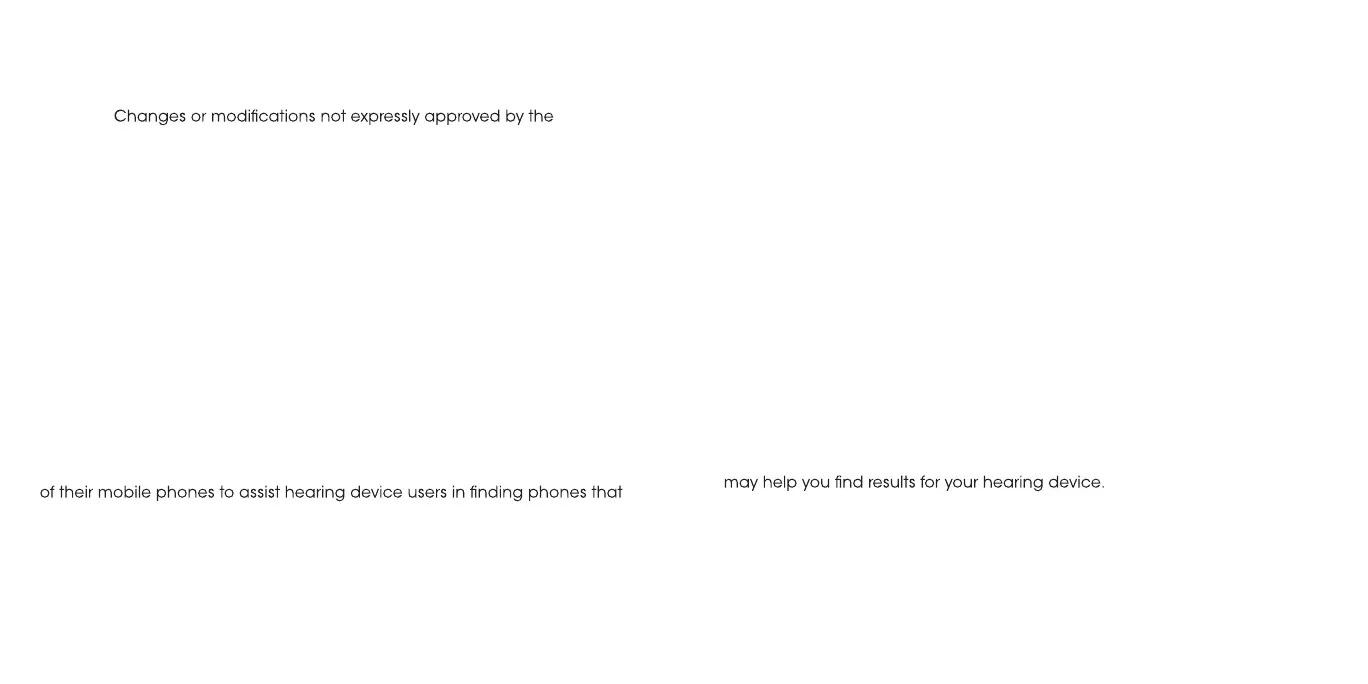
Cricket Wave
has an
88 89


 To Next Page