EasyManua.ls Logo

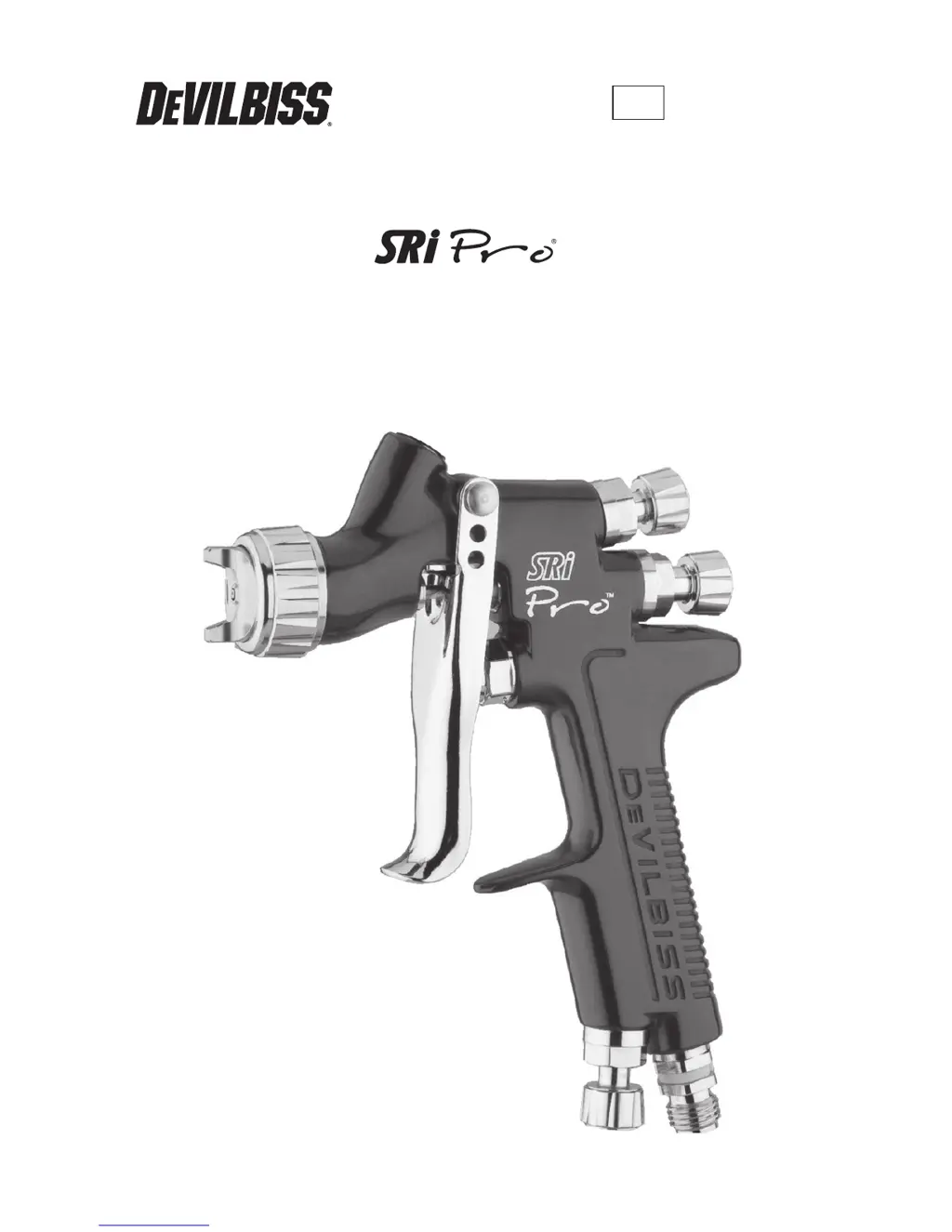
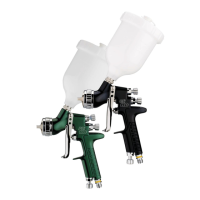
DeVilbiss SRI PRO series - User Manual

DeVilbiss SRI PRO series
48 pages
Print Icon
To Next Page IconTo Next Page
Loading...
Service Bulletin
SB-2-855-B
Replaces SB-2-855-A
Technical Bulletin
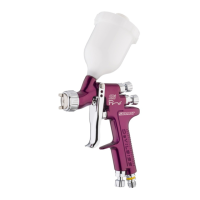
SRi Pro range of Gravity Spray Guns
for spot repairs and small areas
AUTOMOTIVE REFINISHING
EN

Table of Contents

Questions and Answers

  • J
    James JohnsonAug 18, 2025
    Why is there excessive overspray with my DeVilbiss Paint Sprayer?
    • S
      sergio61Aug 18, 2025
      Excessive overspray from your DeVilbiss Paint Sprayer can occur if the air pressure is too high or if the gun is too far from the work surface. Try reducing the air pressure and adjusting the distance to the correct range.
  • O
    oleonAug 20, 2025
    What to do if my DeVilbiss SRI PRO Paint Sprayer has a heavy center pattern?
    • K
      Kathleen WilsonAug 21, 2025
      A heavy center pattern with your DeVilbiss Paint Sprayer may be due to the spreader adjustment valve being set too low, the atomizing pressure being too low, or the material being too thick. Turn the spreader adjustment valve out counterclockwise to achieve the correct pattern, increase the pressure, or thin the material to the correct consistency.
  • J
    johnmelendezAug 23, 2025
    How to fix dry spray with DeVilbiss SRI PRO Paint Sprayer?
    • S
      Sara SmithAug 23, 2025
      Dry spray from your DeVilbiss Paint Sprayer can be caused by several factors: air pressure being too high, holding the gun too far from the work surface, moving the gun too fast, or having fluid flow that is too low. Try reducing the air pressure, adjusting the distance, slowing down your motion, or winding out the needle adjusting screw or using a larger nozzle size.
  • K
    Kathy HansonAug 26, 2025
    What to do if my DeVilbiss SRI PRO Paint Sprayer produces runs and sags?
    • L
      Lawrence Riley Jr.Aug 26, 2025
      Runs and sags when using your DeVilbiss Paint Sprayer can occur if there's too much material flow, the material is too thin, or the gun is tilted at an angle or moved too slowly. Try turning the fluid adjusting knob clockwise or switching to a smaller fluid nozzle and needle size, mixing the material correctly or applying light coats, and holding the gun at a right angle to the work while adapting to the correct gun technique.
  • J
    Jennifer BradshawAug 28, 2025
    Why is my DeVilbiss SRI PRO Paint Sprayer spraying a split pattern?
    • A
      Ashley WileyAug 28, 2025
      A split spray pattern from your DeVilbiss Paint Sprayer may be due to air pressure being too high, the fluid adjusting knob turned in too far, or the spreader adjusting valve set too high. Reduce the air pressure at the regulator or gun handle, turn out the fluid adjusting knob counterclockwise to achieve the correct pattern, or turn in the spreader adjusting valve clockwise to achieve the correct pattern.
  • C
    Christopher Kelly DVMAug 30, 2025
    What causes jerky or fluttering spray from a DeVilbiss Paint Sprayer?
    • H
      Hannah OconnorAug 30, 2025
      Jerky or fluttering spray from your DeVilbiss Paint Sprayer can result from several issues: a loose or damaged fluid nozzle/seat, a loose or broken cup fluid nipple, the material level being too low, the container being tipped too far, an obstruction in the fluid passage, a loose fluid needle packing nut, or damaged fluid needle packing. You can try the following: 1. Tighten or replace the fluid nozzle/seat. 2. Tighten or replace the cup fluid nipple. 3. Refill the material. 4. Hold the container more upright. 5. Back flush with solvent to clear any obstruction. 6. Tighten the fluid needle packing nut. 7. Replace the fluid needle packing.
  • S
    Sherri HarperSep 1, 2025
    What to do if my DeVilbiss SRI PRO has a starved spray pattern?
    • K
      Karen CaseSep 1, 2025
      A starved spray pattern with your DeVilbiss Paint Sprayer may be caused by inadequate material flow, a blocked vent in the cup lid, or low atomization air pressure. Try winding the fluid adjusting knob out or changing to a larger fluid nozzle size, cleaning the lid and unblocking the vent, or increasing the air pressure and rebalancing the gun.
  • Y
    yschmidtSep 3, 2025
    How to resolve a heavy top, bottom, right, or left side pattern on my DeVilbiss SRI PRO?
    • S
      Sharon ShermanSep 3, 2025
      If your DeVilbiss Paint Sprayer is producing a heavy top, bottom, right, or left side pattern, it could be due to plugged horn holes, an obstruction on the fluid nozzle, a dirty cap and/or nozzle seat, or dirt on the fluid nozzle. Clean the affected parts and ream with a non-metallic point if necessary.
  • R
    Richard CraneSep 6, 2025
    Why is fluid leaking or dripping from the front of my DeVilbiss Paint Sprayer?
    • D
      David JohnsonSep 6, 2025
      Fluid leaking or dripping from the front of your DeVilbiss Paint Sprayer can occur if the fluid nozzle or fluid needle is worn or damaged, there's foreign matter in the fluid nozzle, the fluid needle is dirty or stuck in the needle packing, or the wrong size fluid needle or fluid nozzle is being used. Try replacing the fluid nozzle and fluid needle, or cleaning the affected parts.
  • T
    Tiffany WaltersSep 8, 2025
    Why does my DeVilbiss Paint Sprayer have paint bubbles in the cup?
    • S
      Shelly HarrisSep 8, 2025
      Paint bubbles in the cup of your DeVilbiss Paint Sprayer are often caused by a fluid nozzle that is not tight. Tighten the fluid nozzle to 9-10 Nm (80-90 in-lbs).

Summary

EC Declaration of Conformity

Operational Description

Material Compatibility

Important note on material compatibility for spray guns.

Solvent Usage Warning

Safety warning against using specific solvents due to chemical reaction risk.

Construction Features

Key Components

Details of major components like air cap, nozzle, needle, and trigger.

Gun Body and Cup

Description of the gun body material and cup features.

Air Valve and Compatibility

Features of the air valve and gun's application compatibility.

Materials of Construction

Metal Components

Specifies materials for gun body, air cap, and other metal parts.

Seals and Other Parts

Lists materials for seals, gaskets, and trigger.

Specifications & Technical Data

Connections and Pressure

Details air/fluid connections and pressure limits.

Operating Parameters

Lists service temperature and gun weight.

Safety Precautions

Warning Symbols Explained

Explanation of warning, caution, and note symbols for user safety.

Hazard Identification

Details hazards like fire, toxic substances, and explosion risks.

Safe Operating Practices

Guidelines for general safety and preventing cumulative trauma disorders.

Installation

Air Supply Connection

Instruction for connecting the gun to the air supply with gauge recommendation.

Cup Attachment and Flushing

Steps to attach the cup and flush passages before use.

Operation

Preparation Steps

Mixing, straining, filling cup, and setting initial adjustments.

Spraying Technique

Guidance on gun holding, distance, overlap, and speed.

Post-Use Procedure

Safety procedure for turning off air supply when not in use.

Preventive Maintenance & Cleaning

Cleaning Air Cap and Nozzle

Methods for cleaning air cap and nozzle components.

Cleaning Fluid Passages

Procedure for flushing fluid passages with solvent.

General Cleaning Warning

Important warning against submerging the gun in solvents.

Spray Gun Lubrication

Daily Lubrication Points

Key points for daily lubrication of moving parts.

Specific Component Lubrication

Lubrication advice for needle shank, spring, and threads.

Parts Replacement;Maintenance

Air Valve Instructions

Instructions for servicing and replacing the air valve.

Air Valve Servicing

Reasons for Servicing

Identifies reasons like malfunction, leaks, or routine maintenance.

Disassembly Steps

Steps for removing trigger, air valve, spring, and pad.

Cleaning and Reassembly

Instructions for cleaning air valve parts and reassembling.

Air Valve Replacement Indicator

Notes that air leaks may require air valve replacement.

Replacing Air Valve

Reasons for Replacement

Lists air leaks or incorrect operation as reasons for replacement.

Removal Procedure

Steps to remove trigger, air valve, spring, and rear seal.

Installation Procedure

Steps for cleaning bores, installing new seal, spring, and air valve assembly.

Replacing Needle Packing

Initial Disassembly

Steps to remove trigger, knob, spring, and fluid needle.

Packing Nut and Reassembly

Procedures for removing/cleaning packing nut and reassembling.

Final Adjustments and Testing

Setting fluid knob for travel and verifying operation.

Spreader Valve Assembly Replacement;Maintenance

Spreader Valve Replacement

Information on replacing a damaged spreader valve assembly.

Seal Replacement

Note on replacing the internal seal with a rebuild kit.

Replacing Separator Seal

Component Removal

Steps to remove air cap, ring, knob, needle, and nozzle.

Seal Installation and Reassembly

Installing new seal, cleaning parts, and reassembling.

Final Settings and Verification

Setting fluid knob for travel and confirming operation.

Chart 1 - Air Caps

Air Cap Specifications

Details on air cap type, technology, pressure, and airflow.

Handling Note

Important note on handling air cap components during removal.

Chart 2 - Fluid Nozzle Range & Fluid Needle

Fluid Nozzle Part Numbers

List of fluid nozzle computer and part numbers.

Fluid Needle Part Numbers

List of fluid needle computer and part numbers.

Interchangeability Warning

Critical warning about part interchangeability between models.

Troubleshooting Possible Problems in Operation

Pattern Shape Defects

Addresses issues like heavy top/bottom or side patterns.

Pattern Defect Remedies

Provides solutions for specific pattern defects like center heavy or split spray.

Spray Consistency Issues

Troubleshooting jerky or fluttering spray and paint bubbles.

Troubleshooting Possible Problems in Operation (Continued)

Fluid Leakage Issues

Diagnosing leaks from cup lid, packing nut, or gun front.

Spray Pattern Quality

Troubleshooting starved patterns, excessive overspray, and dry spray.

Finish Imperfections

Addressing fluid leaks from cup bottom and paint runs/sags.

Accessories

Air Connections and Valves

Details quick connects and adjusting valves for air systems.

Cups and Respirators

Information on gravity feed cups and safety respirators.

Maintenance and Cleaning Tools

Lists air filters, lubricants, cleaning kits, and tools.

Warranty

Sales and Service Information

Contact details for sales, service, and customer support.

DeVilbiss SRI PRO series Specifications

General IconGeneral
MaterialAluminum
Air Inlet1/4 inch NPT
Weight446 g (without cup)
ApplicationAutomotive, Woodworking
TypeHVLP (High Volume Low Pressure)

Related product manuals