Maintenance Section
186
Tire Inflation Information
Tires Inflation
WARNING
Personal injury or death could result when tires
are inflated incorrectly.
Use a self-attaching inflation chuck and stand
behind the tread when inflating a tire.
Proper inflation equipment, and training in using
the equipment, are necessary to avoid over
inflation. A tire blowout or rim failure can result
from improper or misused equipment.
Always remove (deflate) all air from a single tire and
from both tires on a dual assembly before changing
them.
NOTICE
When changing tires, change them in sets, even if
only one of the tires is damaged. If new and used
tires are used on the same axle, tilting of the mast
and rapid tire wear will result.
The mounting faces of the hub, wheel nuts and
wheels must be free of any foreign material and
lubricants of any kind. Tighten wheel nuts again
after 24 hours of operation.
Do not re-inflate a tire that has been driven on while
flat or underinflated, without first checking to be sure
the locking ring on the wheel is not damaged and in
position.
Always deflate tires before changing them.
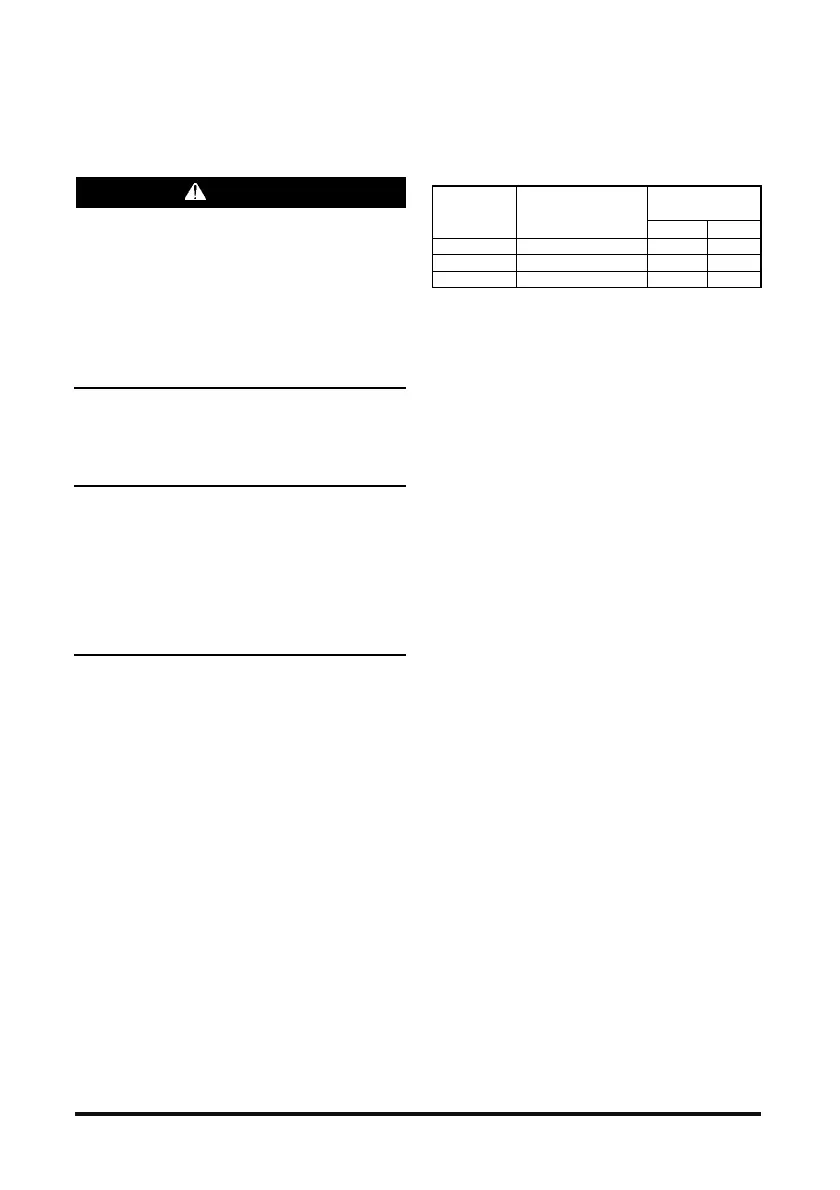
Tire Shipping Pressure
The tire inflation pressures shown in the following
chart are cold inflation shipping pressures.
Size
Ply Rating Or
Strength Index
Shipping
Pressure
kPa psi
8.25 x 15 14PR 790 115
8.25 x 15 16PR 880 128
9.00 x 20 14PR 790 115
Standard tire, ply rating and inflation pressures.
The operating inflation pressure is based on the
weight of a ready-to-work machine without
attachments, at rated payload, and in average
operating conditions. Pressures for each application
may vary and should always be obtained from your
tire supplier.
NOTE: Fill tires to the recommended pressures
listed ± 35 kPa (5 psi). Tires can be filled
with nitrogen.
Tire Inflation Pressures
Adjustment
A tire inflation in a warm shop area, 18° to 21°C (65°
to 70°F), will be underinflated if the machine works
in freezing temperatures. Low pressure shortens the
life of a tire.


 To Next Page