32
• Anticipate the reasons patients get out of bed such as hunger, thirst, going to the bathroom, restlessness and
pain; meet these needs by offering food and uids, scheduling ample toileting, and providing calming interventions
and pain relief.
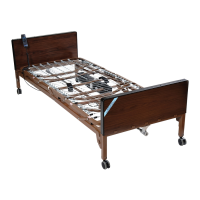
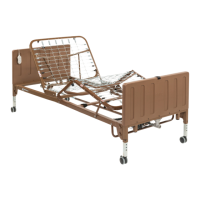
When bed rails are used, perform an on-going assessment of the patient’s physical and mental status; closely monitor
high-risk patients. Consider the following:
• Lower one or more sections of the bed rail, such as the foot rail.
• Use a proper size mattress or mattress with raised foam edges to prevent patients from being trapped between the
mattress and rail.
• Reduce the gaps between the mattress and side rails.
Which Ways of Reducing Risks are Best?
A process that requires ongoing patient evaluation and monitoring will result in optimizing bed safety. Many patients go
through a period of adjustment to become comfortable with new options. Patients and their families should talk to their
health care planning team to nd out which options are best for them.
Patient or Family Concerns about Bed Rail Use
If patients or family ask about using bed rails, health care providers should:
• Encourage patients or family to talk to their health care planning team to determine whether or not bed rails
are indicated.
• Reassure patients and their families that in many cases the patient can sleep safely without bed rails.
• Reassess the need for using bed rails on a frequent, regular basis.
To report an adverse event or medical device problem, please call FDA’s Med Watch Reporting Program at
1-800-FDA-1088.
For additional copies of this brochure, see the FDA’s Hospital Bed website.
For more information about this brochure, contact Beryl Goldman at 610-335-1280 or by e-mail at bgoldman@kendalout-
reach.org. She has volunteered to answer questions.
For information regarding a specic hospital bed, contact the bed manufacturer directly.
Developed by the Hospital Bed Safety Workgroup
Participating Organizations:
• AARP
• ABA Tort and Insurance Practice Section
• American Association of Homes and Services for
the Aging
• American Health Care Association
• American Medical Directors Association
• American Nurses Association
• American Society for Healthcare Engineering of
the American Hospital Association
• American Society for Healthcare Risk Management
• Basic American Metal Products
• Beverly Enterprises, Inc.
• Care Providers of Minnesota
• Carroll Healthcare
• DePaul College of Law
• ECRI
• Evangelical Lutheran Good Samaritan Society
• Hill-Rom Co., Inc.
• Joerns Healthcare, Inc.
• Joint Commission on Accreditation of Healthcare
Organizations
• Medical Devices Bureau, Health Canada
• National Association for Home Care
• National Citizens’ Coalition for Nursing Home Reform
• National Patient Safety Foundation
• RN+ Systems
• Stryker Medical
• The Jewish Home and Hospital
• Untie the Elderly, The Kendal Corporation
• U.S. Food and Drug Administration


 To Next Page