070.650-IOM (JUL 19)
Page 29
SGC/SGX ROTARY SCREW COMPRESSOR
INSTALLATION
In most cases, SGCH/SGXH 355 and 408 compressor mod-
els require an active regulation of the oil pressure to SB-2.
Balance Piston Regulation (BPR) is needed because the gas
force varies with the position of the slide valve. A low slide
valve position could reduce the load below the minimum
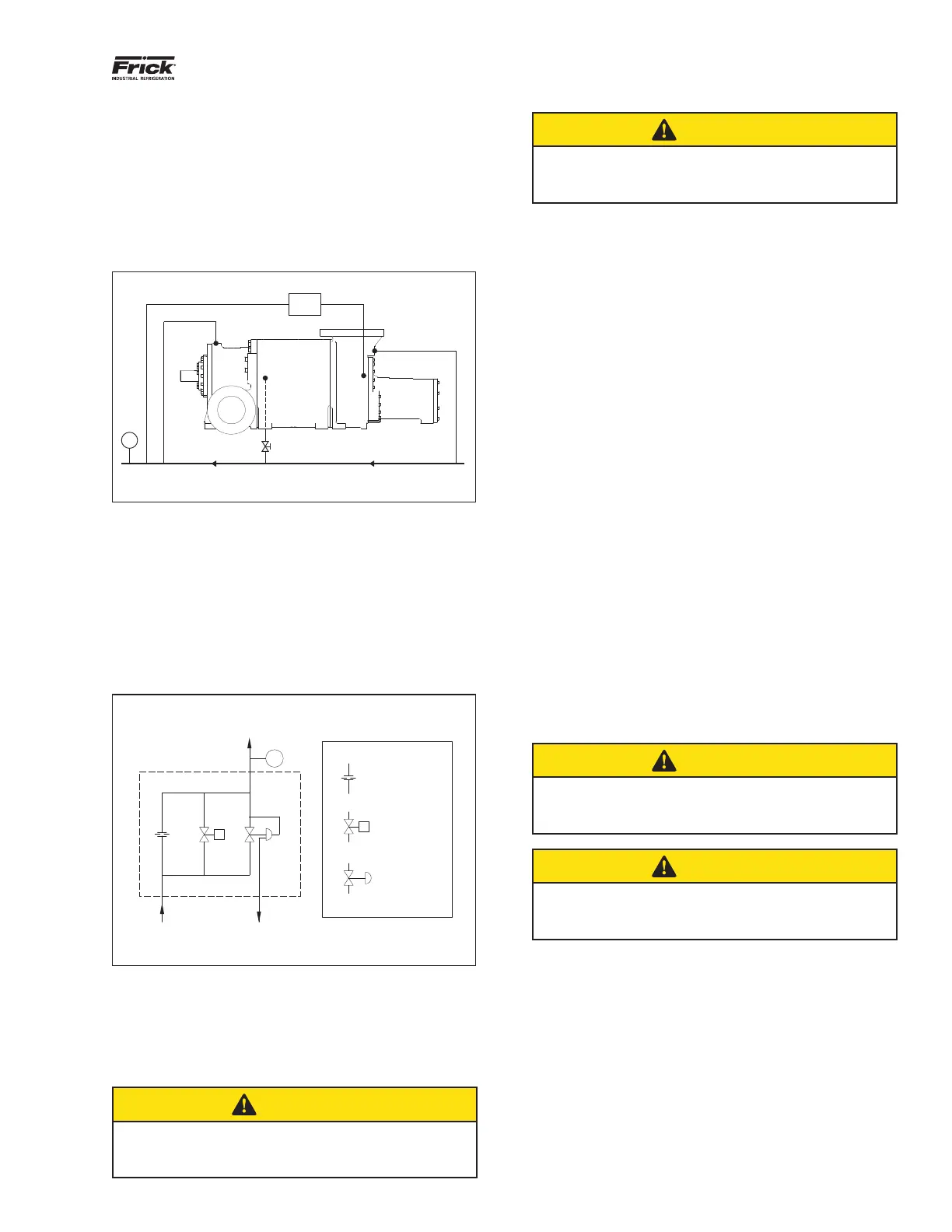
required for the axial bearings. Figure 19 shows a piping and
instrumentation diagram of a compressor with BPR. There
areseveralBPRcongurationsavailableanditisimportant
to select one that works well for the application.
SB3
Each line connects to the main header
1.5”
1” Min.
SM1
SB2
SB4
P
OIL
BPR
Figure 19: SGXH compressor (355/408) with BPR
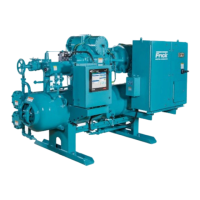
Figure20showsastandardcongurationforthe355com-
pressor.ThiscongurationlowersoilpressuretoSB-2tobe
55 psi below discharge pressure when SV < 65%. Contact
the factory formore specic conguration information.
In the case that application and/or operating conditions
change, review the BPR settings. Conguration changes
may be necessary, in which case, contact engineering. Use
theCompressorOperatingLogSheettollinyournominal
operating conditions.
Oil Feed
From Header
Restriction
Orifice
Solenoid
Valve
Pressure
Regulating
Valve
To Compressor
Discharge Line
To Inlet Bearing Oil
SB-2 Port
P
S
S
Figure 20: Example BPR conguration
Note: On all SGX compressors except the 408 models, the
oil feed also lubricates the inlet bearings. For the 408 com-
pressor (MK 2 version), the bearings are lubricated from the
SB-4 connection. For low differential applications, it is not
necessary to pipe the SB-2 port.
Caution
Operating with incorrect balance piston pressure set-
tings and selection signicantly increases the risk of
compressor breakdown and reduced compressor life.
Caution
Changes to application and operating conditions may
change oil pressure requirements to the SB-2 port and
Balance Piston Regulator conguration settings.
Compressors with squeeze lm damper (SFD)
Compressor models with an X as the third character have
Squeeze Film Dampers (SFD) built into the rotor blocking di-
ameters (Fig. 15). The SFDs provide dampening of the rotor’s
movement reducing impacts and lowering the total vibration
of the compressor. In order for the SFDs to work properly
they need to receive solid oil — oil free of bubbles and foam.
Solid oil can be attained by either:
• Pumping the oil pressure to a minimum of 36 psi above
discharge.
• Cooling the oil. With enough sub-cooling, bubbles are
prevented from forming inside the SFDs.*
Compressor ports SB-3 and SB-4 supply oil to the SFDs. As
theoilowcanbesignicant,thefeedlinesmusthavea
well dimensioned size to keep the pressure drop low. Con-
nect each line directly to the main oil header (Fig. 17). Some
applications with low power consumption and a smaller
motor may not have additional pressure and/or temperature
requirements.
FRICKCoolWarecancalculateoilows,pressureandtem-
perature required. Add all nominal operation conditions,
including SB-3 and SB-4 oil pressure requirements, to your
operation log. In the case of application and/or operating
conditionchanges,itisnecessarytoreviewoilowsand
settings.Expectcongurationorsettingchanges.Fillinthe
nominal operating conditions in your Compressor Operating
Log Sheet, and revise as needed when the situation changes.
Caution
Operating with incorrect oil pressure to the SB-3 and
SB-4 ports causes risk of high compressor vibration,
reduced compressor life and breakdown.
Caution
Changes to application and operating conditions may
change oil pressure and temperature requirements to
the SB-3 and SB-4 ports.
Oil cooling requirements
Compressor oil needs to be cooled to control the discharge
temperature, maintain proper oil viscosity, and to preserve
the life of the oil. For normal refrigeration applications, dis-
charge temperature is within the 170°F to 180°F range (see
CoolWare
™
).
One application that typically requires higher discharge
temperatures (as high as 280°F) is natural gas gathering
at the wellhead. Moisture is normally present in the gas
and it is imperative that the discharge temperature be at
least 30°F higher than the discharge dew point tempera-
ture for the gas. Run CoolWare with the Water Saturated
*Reference CES 3680 for SFD requirements.



 To Next Page