6
PART 2: GENERAL INFORMATION
A. PREFACE
By using the sun’s energy to heat water, solar hot water heating systems help reduce the nation’s
dependence on polluting fossil fuels. This reliable, efficient solar water heater meets the certification
requirements of SRCC-OG-300.
B. INTRODUCTION
Solar system performance and efficiency varies with factors such as: household hot water load, ambient
air temperature, roof pitch, collector orientation, and seasonal intensity.
Your solar system uses a circulation pump to circulate heat transfer fluid throughout the system.
Depending on system design, you may use distilled water (often used in drain back systems), or a
propylene glycol/water solution (in closed loop systems) as heat transfer fluid. Drain back and propylene
glycol systems provide freeze protection to the solar components.
This manual intends to familiarize you with the proper installation and maintenance of your solar water
heating system. This system must be installed by a licensed solar or plumbing contractor in accordance
with SRCC Standard OG-300 and all applicable national, state, and local codes.
NOTE: Failure to follow the procedures described in this manual voids the manufacturer warranty.
C. SYSTEM DESCRIPTION
Some of the components in the Phoenix Solar Water Heating System include: the solar collector(s), a
Phoenix Solar Water Heater, a circulator pump, a differential solar control, and an expansion tank.
Depending on the type of solar system, distilled water or non-toxic, FDA rated Generally Recognized As
Safe (GRAS) propylene glycol will be used as heat transfer fluid.
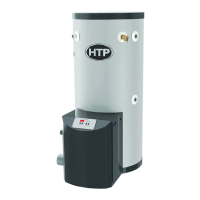
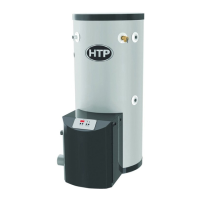
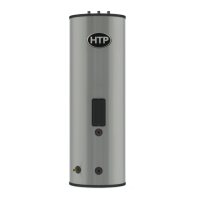
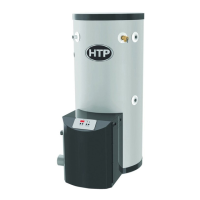
D. PHOENIX SOLAR WATER HEATER
The Phoenix Solar Water Heater has an internal solar heat exchanger for use with solar collectors. And
when there is not sufficient solar energy, the Phoenix Solar Water Heater utilizes a gas-fired backup to
provide hot water. (Refer to solar piping details in this manual for suggested piping application.)
E. SOLAR WATER HEATER LOCATION
Choosing a location for your solar water heater is an extremely important part of the installation process.
The heater location should be centralized to the piping system, in an area where it will not be exposed to
freezing temperatures. All piping should be insulated to protect against freezing and heat loss.
In addition, the solar water heater should be installed with plenty of clearance for service. If minimum
clearances are not met, it may not be possible to service the heater without removing it from its location.
Finally, the solar water heater should also be installed in a place where T&P discharge or a leak will not
result in damage to the surrounding area. If such a location is not available, install an auxiliary catch pan.


 To Next Page