Section 2
Introduction
2
2
SECTION 2 - INTRODUCTION
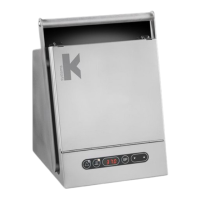
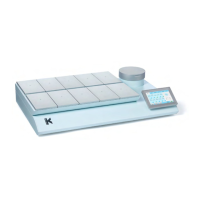
The G210 InviCell is a bench-top long-term incubator comprised of ten independent
chambers for gamete/embryo development and one larger preparation chamber. The larger
preparation chamber is not used for embryo development. The device is a non-sterile,
reusable piece of equipment.
The incubator is used to culture gametes and embryos for up to 6-7 days in a controlled
environment (temperature, CO
2
/O
2
), normally in culture media contained within a culture
dish. The CO
2
and O
2
concentration are monitored by sensors located in a chamber internal to
the incubator chassis. The gas is constantly recirculated from the culture chambers through a
HEPA (high-eciency particulate air) / VOC (volatile organic compound) filter.
The G210 InviCell Plus with SignipHy™ pH Monitoring System can be fitted with an
accessory that monitors pH by surrogate media samples using a fluorescent marker contained
in a disposable sample cup. When this cup is properly placed in the sensor fixture, the cup
does not come in direct contact with the culture dish or gamete/embryo. This disposable cup
is supplied sterile and is single use.
Intended Purpose
G210 InviCell Long Term Incubators are applied in ART treatments and are intended
to provide an environment with controlled temperature at or near body temperature,
pH and O
2
level for the development of gametes and embryos during in vitro fertilisation
(IVF)/assisted reproductive technology (ART) treatments.
Principal Mode of Operation
The primary function is to allow the storing and culture of human gametes and embryos
providing environmental conditions similar to the human fallopian tube and uterus in terms
of controlled temperature and physiological pH and oxygen levels via gas mixture levels (CO
2
and O
2
) during in vitro fertilisation (IVF)/assisted reproductive technology (ART) procedures.
Disease/ conditions to be treated
G210 InviCell Long Term Incubators are used in the treatment of infertility (male and/or
female), a disease defined by the World Health Organisation (WHO) as a failure to achieve
pregnancy aer 12 months of regular unprotected sexual intercourse (Zegers-Hochschild et
al. 2017).
One in six couples experience some form of infertility during their reproductive lifetime,
due to female factors, male factors, problems in both partners, as well as cases where
no cause is found (unexplained/ idiopathic infertility). Increasing age in the female
partner is one of the most common explanations for infertility, but also age of the
male partner, as well as lifestyle factors such as smoking, bodyweight, and stress
all influence ART success rates (Eisenberg and Meldrum 2017; ESHRE 2018). In women,
infertility is commonly caused by ovulatory dysfunction, tubal obstructions and/or
endometriosis. Whereas in men, infertility is a result of abnormalities in sperm production
and function, or sperm duct blockages (Nardelli et al. 2014). When lifestyle changes
alone are not sucient, treatment mainly falls into three categories (NCC-WCH 2013):


 To Next Page