EasyManua.ls Logo

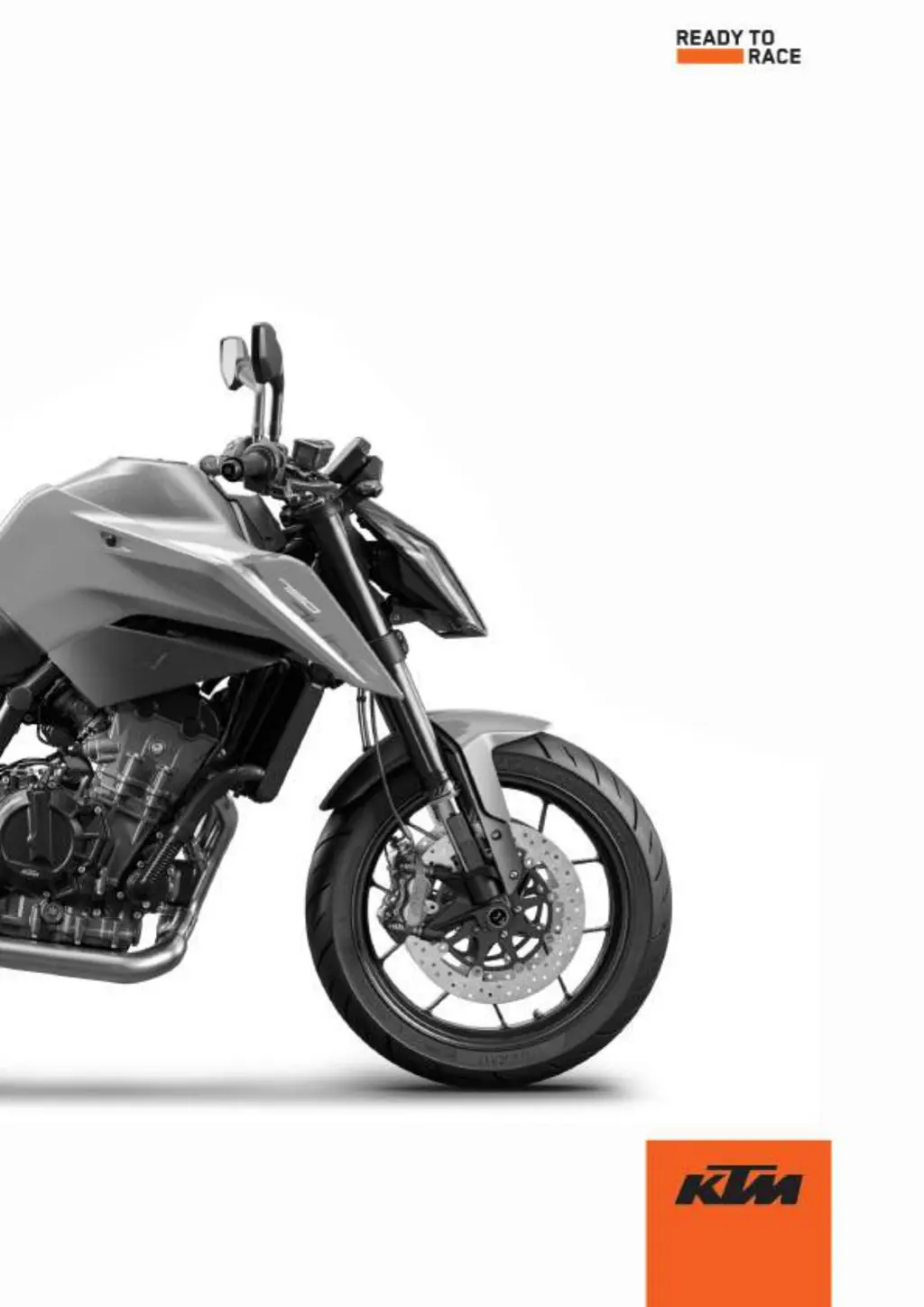
KTM 790 DUKE 2021 - User Manual

KTM 790 DUKE 2021
139 pages
Print Icon
To Next Page IconTo Next Page
Loading...
OWNER'S MANUAL 2021
790 DUKE
Art. no. 3214299en

Table of Contents

Questions and Answers

  • M
    michaelwoodardAug 20, 2025
    Why does my KTM Motorcycle engine turn over but not start?
    • C
      cruzscottAug 20, 2025
      If your KTM motorcycle engine turns over but fails to start, consider these potential causes. Ensure you are following the correct start procedure. A blown fuse 3 could be the issue, requiring replacement. Check that the quick release coupling is properly joined. Avoid opening the throttle while starting and follow the correct start procedure. If these steps don't resolve the issue, there may be a malfunction in the electronic fuel injection that needs to be diagnosed using the KTM diagnostics tool.
  • J
    Jonathan MorenoAug 21, 2025
    Why KTM 790 DUKE 2021 engine won't turn over when I press the start button?
    • H
      Hannah KeithAug 21, 2025
      If your KTM motorcycle engine doesn't turn over when you press the start button, it could be due to several reasons. You may need to follow the correct start procedure. The 12V battery might be discharged, requiring a charge and a check of the open-circuit current. A blown fuse (1, 2, or 3) or the main fuse could also be the culprit, necessitating a fuse replacement. Finally, the issue might stem from a missing ground connection, which requires inspection.
  • G
    Gary TurnerAug 25, 2025
    What to do if my KTM 790 DUKE 2021 Motorcycle engine overheats?
    • S
      Sandra HerringAug 25, 2025
      If your KTM motorcycle engine is overheating, several factors could be responsible. First, check the coolant level in the compensating tank and inspect the cooling system for leaks. Also, make sure the radiator fins are clean. Other potential issues include foam formation in the cooling system (in this case you need to drain, fill, and bleed the cooling system), a buckled or damaged radiator hose (change the hose), a faulty thermostat (check the thermostat), a blown fuse 4 (change the fuse) or a defect in the radiator fan system (check the system).
  • S
    Shane SantosAug 26, 2025
    What to do if my KTM 790 DUKE 2021 Motorcycle engine dies during a trip?
    • R
      Roger ValenciaAug 26, 2025
      If your KTM motorcycle engine dies during a trip, the possible reasons are: you may be lacking fuel, so refuel your motorcycle. Another reason may be that the fuse 1, 2 or 3 blown, so change the fuses of individual electrical power consumers.
  • A
    anthonymillerAug 27, 2025
    Why does my KTM 790 DUKE 2021 have high oil consumption?
    • N
      Nicholas SantiagoAug 28, 2025
      If your KTM motorcycle has high oil consumption, check these potential causes: Ensure the engine vent hose isn't bent, and replace it if needed. Verify that the engine oil level isn't too high. Consider whether the engine oil is too thin; if so, change the oil and filter, and clean the oil screens.
  • T
    Thomas HughesAug 30, 2025
    Why is the ABS warning lamp lit on my KTM 790 DUKE 2021?
    • W
      william13Aug 30, 2025
      If the ABS warning lamp lights up on your KTM motorcycle, there are several possible causes: the ABS fuse might be blown and needs replacement. There could be a large difference in wheel speeds between the front and rear wheels, in this case stop the vehicle, switch off the ignition, and start it again. Alternatively, there may be a malfunction in the ABS, requiring a diagnostic check using the KTM diagnostics tool.
  • C
    cassandra18Aug 31, 2025
    Why does my KTM Motorcycle engine have too little power?
    • B
      Benjamin NguyenAug 31, 2025
      If your KTM motorcycle engine has too little power, there are several possible causes. The air filter may be very dirty, so remove and install the air filter. The fuel filter may also be very dirty, so check the fuel pressure. Alternatively, there may be a malfunction in the electronic fuel injection that needs to be diagnosed using the KTM diagnostics tool.
  • S
    schwartztammySep 2, 2025
    Why is my KTM 790 DUKE 2021 Motorcycle 12V battery discharged?
    • C
      Casey DeckerSep 2, 2025
      If your KTM motorcycle's 12V battery is discharged, it might be because the ignition wasn't switched off when the vehicle was parked, so charge the 12-V battery. Also, the 12-V battery may not be charging due to alternator issues, so check the charging voltage and the open-circuit current.
  • S
    Sandra MeyerSep 4, 2025
    Why KTM 790 DUKE 2021 Motorcycle engine only turns if the clutch lever is drawn?
    • C
      cmurphySep 4, 2025
      Your KTM motorcycle engine might only turn if the clutch lever is drawn because the vehicle is in gear. Shift the transmission to neutral position. This can also happen if the vehicle is in gear and the side stand is folded out, so shift the transmission to neutral position.
  • D
    Donald NelsonSep 6, 2025
    What does it mean if the malfunction indicator lamp lights up on my KTM Motorcycle?
    • E
      Erin MitchellSep 6, 2025
      If the malfunction indicator lamp lights up or flashes on your KTM motorcycle, it indicates a potential malfunction in the electronic fuel injection. To diagnose the issue, read out the fault memory using the KTM diagnostics tool.

Summary

Means of Representation

Symbols Used

Explains the meaning of specific symbols used in the manual.

Formats Used

Details the typographical formats used for names and terms in the document.

Safety Advice

Degrees of Risk and Symbols

Defines risk levels (Danger, Warning, Note) and associated symbols.

Safe Operation

Provides essential safety instructions for operating the vehicle.

Protective Clothing

Highlights the importance of wearing appropriate protective gear.

Work Rules

Outlines general rules and procedures for performing work on the vehicle.

View of Vehicle

View of Vehicle, Front Left (Example)

Illustrates and labels key components on the front left side of the vehicle.

View of Vehicle, Rear Right (Example)

Illustrates and labels key components on the rear right side of the vehicle.

Serial Numbers

Vehicle Identification Number

Details the location of the vehicle identification number (VIN).

Engine Number

Shows the location where the engine number is stamped.

Fork Part Number

Indicates the location of the fork part number.

Controls

Clutch Lever

Describes the clutch lever and its function on the left handlebar.

Hand Brake Lever

Locates the hand brake lever on the right handlebar for the front brake.

Switches on the Left Side of the Handlebar

Details the combination switch with light, menu, turn signal, and horn buttons.

Switches on the Right Side of the Handlebar

Explains the start button/emergency OFF switch on the right handlebar.

Ignition and Steering Lock

Describes the location and functions of the ignition and steering lock.

Side Stand

Explains the function and safety system coupling of the side stand.

Combination Instrument

Combination Instrument Overview

Introduces the main display unit and its functional areas.

Indicator Lamps

Lists and explains the various indicator lamps on the instrument.

Display Details

Explains the various elements shown on the main display screen.

Menu Navigation and Settings

Guides on accessing and configuring menu items like Trips, Settings, and Modes.

Ergonomics

Handlebar Position Adjustment

Explains how to adjust the handlebar position for rider comfort.

Clutch Lever Position Adjustment

Details how to adjust the basic position of the clutch lever.

Shift Lever Position Adjustment

Guides on adjusting the basic position of the shift lever.

Preparing for Use

Advice on Preparing for First Use

Provides essential initial checks and advice before the first ride.

Running in the Engine

Details guidelines for the engine running-in phase to ensure longevity.

Loading the Vehicle

Offers warnings and instructions regarding vehicle weight and luggage.

Riding Instructions

Checks and Maintenance Measures Before Riding

Lists mandatory checks and maintenance before every trip.

Starting the Vehicle

Provides a step-by-step guide for starting the motorcycle's engine.

Shifting and Riding

Offers advice on gear shifting, riding techniques, and potential hazards.

Applying the Brakes

Explains proper braking techniques and safety considerations.

Stopping and Parking

Details the correct procedures for stopping and parking the motorcycle.

Service Schedule

Required Work

Lists essential maintenance tasks required at specific intervals.

Recommended Work

Outlines recommended additional maintenance tasks for optimal performance.

Service Work on the Chassis

Cleaning Dust Boots of Fork Legs

Provides instructions for cleaning the dust boots on the front fork legs.

Cleaning the Chain

Details the process for cleaning the motorcycle's drive chain.

Adjusting the Chain Tension

Guides on how to check and adjust the chain tension for proper operation.

Brake System

Anti-lock Braking System (ABS)

Explains the function and safety aspects of the ABS system.

Checking the Front Brake Fluid Level

Details how to check the brake fluid level in the front reservoir.

Checking the Front Brake Linings

Guides on inspecting the wear limit of the front brake linings.

Checking the Rear Brake Linings

Provides instructions for inspecting the wear limit of the rear brake linings.

Wheels, Tires

Removing the Front Wheel

Step-by-step guide for safely removing the front wheel.

Checking the Tire Condition

Instructions for inspecting tire wear, damage, and tread depth.

Checking Tire Pressure

Details how to check tire pressure when tires are cold.

Electrical System

Changing the Main Fuse

Procedure for replacing the main fuse protecting the vehicle's electrical system.

Changing the Fuses of Individual Electrical Power Consumers

Guide for replacing fuses for specific electrical components.

Checking the Headlight Setting

Explains how to check and verify the correct headlight beam alignment.

Cooling System

Checking the Antifreeze and Coolant Level

Instructions for checking coolant and antifreeze levels.

Filling;Bleeding the Cooling System

Details the process for filling and removing air from the cooling system.

Tuning the Engine

Ride Mode Selection

Explains the different ride modes (SPORT, STREET, RAIN, TRACK) and their effects.

Motorcycle Traction Control (MTC)

Describes the MTC function, its benefits, and how it's controlled.

Service Work on the Engine

Checking the Engine Oil Level

Guide on how to check the engine oil level at normal operating temperature.

Changing Engine Oil and Oil Filter

Step-by-step instructions for engine oil and filter change.

Cleaning, Care

Cleaning the Motorcycle

Provides detailed instructions for cleaning the motorcycle safely and effectively.

Maintenance Steps for Winter Operation

Outlines specific checks and maintenance for winter riding conditions.

Storage

Motorcycle Storage Procedures

Details the steps required for proper long-term storage of the motorcycle.

Preparing for Use After Storage

Guides on bringing the motorcycle back into service after a storage period.

Technical Data

Engine Specifications

Provides detailed technical specifications for the engine.

Engine Tightening Torques

Lists critical torque specifications for engine components.

Chassis Tightening Torques

Lists critical torque specifications for chassis components.

Declarations of Conformity

Declarations of Conformity

States compliance with relevant wireless system guidelines.

Country-Specific Declarations of Conformity

Lists country-specific compliance information.

Substances

Engine Oil (SAE 10 W;50)

Specifies the recommended engine oil standard and classification.

Coolant

Provides guidelines for using high-grade, silicate-free coolant.

Super Unleaded (ROZ 95)

Details fuel specifications, including ethanol content limits.

Auxiliary Substances

Motorcycle Cleaner

Recommends MOTOREX® Moto Clean for general motorcycle cleaning.

Street Chain Spray

Recommends MOTOREX® Chainlube Road Strong for chain lubrication.

Standards

JASO T903 MA2 Standard

Explains the JASO T903 MA2 standard for motorcycle engine oils.

SAE Viscosity Classification

Describes how SAE viscosity classes are used for classifying engine oils.

KTM 790 DUKE 2021 Specifications

General IconGeneral
Displacement799 cc
Bore x Stroke88 mm x 65.7 mm
Compression Ratio12.7:1
Fuel SystemElectronic Fuel Injection
Transmission6-speed
Final DriveChain
Rear Brake240 mm disc, single-piston caliper
Front Tire120/70 ZR 17
Rear Tire180/55 ZR 17
Fuel Capacity14 L
Dry Weight169 kg
Engine Type2-cylinder, 4-stroke, parallel twin
Power77 kW (105 hp) @ 9, 000 rpm
Torque87 Nm @ 8, 000 rpm
FrameSteel trellis frame
Front SuspensionWP APEX 43
Rear SuspensionWP Apex monoshock
ABSBosch 9.1 MP
Seat Height825 mm
Wheelbase1, 475 mm (58.1 in)

Related product manuals