7
Field Iris Diaphragm
· The field iris diaphragm controls the size of the illuminated
area. By stopping down the field iris diaphragm, in accordance
with the objective in use, until its image circumscribes the
field of view, stray light can be reduced, which in turn increases
the definition and contrast of the image.
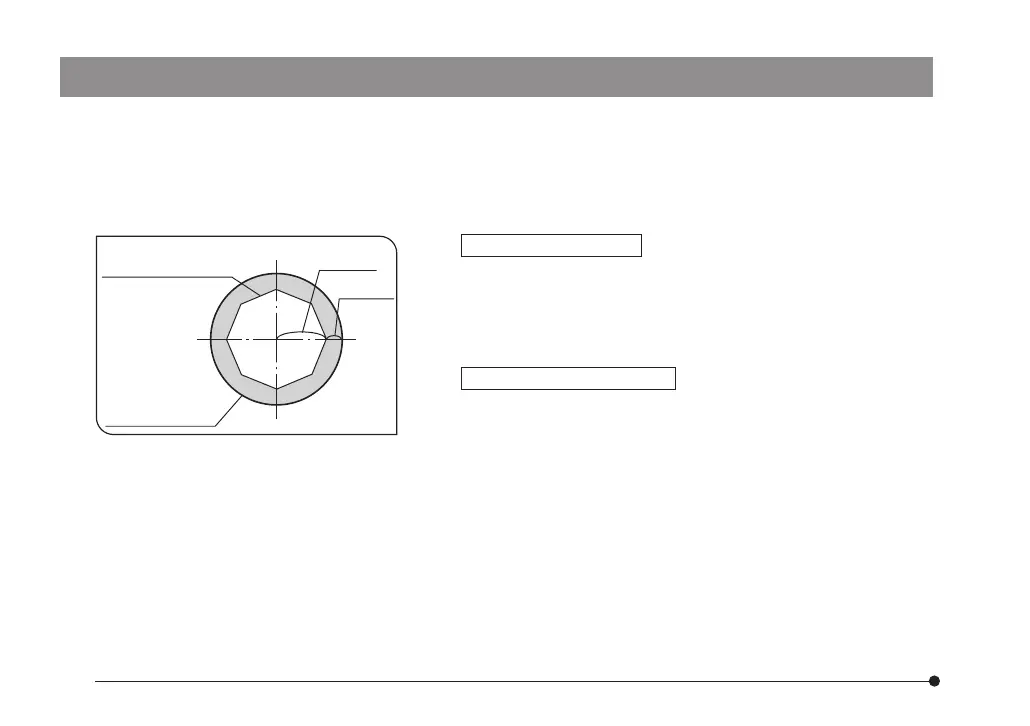
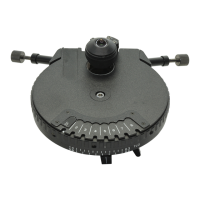
Aperture Iris Diaphragm
· The aperture iris diaphragm controls the numerical aperture
(N.A.) of the illuminator. In order to achieve the optimum objec-
tive performance, the opening of the aperture iris diaphragm
should be matched with the N.A. of the objective in use. This
will result in better image contrast and resolution as well as
increased depth of focus.
}When using an oil immersion type top lens, read the upper
graduations (marked “TLO”) on the aperture iris diaphragm
scale. When using a dry type top lens, read the lower gradua-
tions (marked “TLD”) on the aperture iris diaphragm scale.
Fig. 1
7. Reduce the field iris diaphragm opening until its image circumscribes the field of view.
8. Adjust the aperture iris diaphragm.
#If the slide glass is thicker than 1.2 to 1.4 mm, the image of the field diaphragm may remain fuzzy.
When performing photomicrography, use a side glass with a thickness between 0.2 and 1.2 mm
whenever possible.
Objective pupil
Aperture iris
diaphragm image
70-80%
30-20%
ax7353_inst.pmd 20.04.2005, 12:277


 To Next Page