DSPEC 50
®
and DSPEC 502
®
Digital Gamma-Ray Spectrometer User’s Manual 932502G / 0618
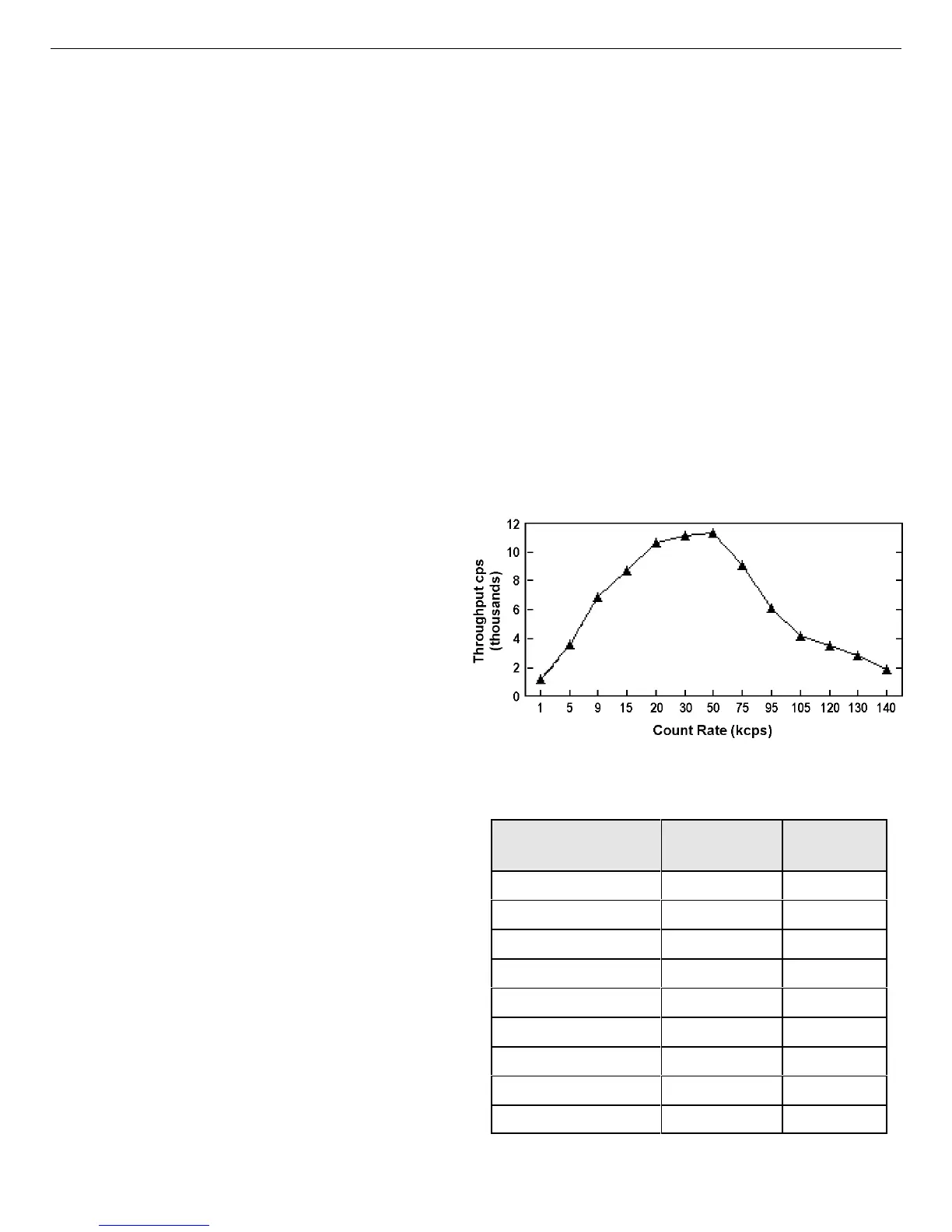
Figure 49. An Example of the Tradeoff Between
Throughput and Count Rate.
SCA (Single Channel Analyzer)
When this option is selected the corresponding fields in the SCA section are enabled to
specify the lower and upper spectrum channels and the pulse width to generate whenever
events are processed within this region of interest. When the SCA Always On option is
checked pulses are sent to the output port continuously. When this option is not
checked, pulses are only output when spectrum acquisition is active.
ADC Gate
A TTL output pulse is generated whenever the Gate is activated during peak detection.
This output may be directed to the Sample Ready port to easily compare the Gate input
count rate to the coincidence count rate by using the Counters associated with each port.
4.13. Setting the Rise Time in Digital MCBs
To achieve the best results when using a digital spectrometer, such as the DSPEC 50, we
recommend that you set the rise time of the pulses being processed by the digital filter to the
minimum value for the resolution needed.
The pulse rise time (and also fall time) is
based on the time required for each pulse
to reach its peak value. This “peaking time”
is about twice that indicated by the conven-
tional time constants displayed on the front
panel of commercial analog amplifiers. For
example, germanium detectors are often
specified at a 6-ìs time constant; this set-
ting is equivalent to 12-ìs peaking (rise)
time in our digital spectrometers.
Up to some value of rise time, one
can expect improved resolution with
increasing rise time; there will,
however, be a tradeoff in maximum
throughput to memory. Figure 49 illustrates an
example of this tradeoff. ORTEC digital
spectrometers operate well above the
peak of the throughput curve. Operating there
allows these instruments to handle
an even higher rate of incoming counts,
but with less data into memory and, therefore,
a longer count time to the same detection
Input Count Rate
Dynamic Range
Maximum
Throughput
Rise Time
(ìs)
0--->20000 9000 12
0--->50000 12500 8
0--->75000 23500 4
0--->100000 37000 2.4
0--->150000 50000 1.6
0--->200k 70000 0.8
0--->220k 85000 0.6
0--->250k 100000 0.4
0--->300k 120000 0.2
Table 2. Rise Time Selection Guide.
60



 To Next Page