Key Telemedicine Terms and Concepts
Telemedicine
Telemedicine refers to the process whereby medical information is transferred
through the phone or the Internet or other networks for the purpose of consulting
and sometimes performing remote medical procedures or examinations. Typical
telemedicine events at OTN are performed via videoconference and involve:
1. A medical consultation between a patient and a physician.
2. Health care professionals discussing a case
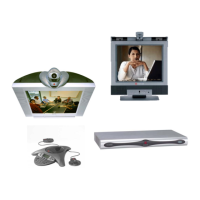
Videoconference
Videoconferencing uses telecommunications of audio and video to bring people
at different sites together for a meeting. As we will see shortly, this can involve a
meeting between two sites, or involve the participation of multiple sites. Besides
the audio and visual transmission of meeting activities, videoconferencing can be
used to share documents, computer-displayed information such as powerpoint
slides, videos and software applications.
Learning Content Management System
A learning content management system (LCMS) is software for delivering,
tracking and managing training/education. Most LCMSs are web-based to
facilitate access to learning content and administration. This allows learners to
access a wide variety of interactive educational materials from any computer that
has an internet connection. The LCMS system used by OTN is called Desire to
Learn, and contains individual courses, searchable learning objects, course lists,
and educational calendars.
Telemedicine Coordinator
The Telemedicine Coordinator is the person in charge of the videoconferencing
equipment at each site. This job is often shared among several individuals, and
has three major components:
1. Resource Person: The TMC is the first point of contact for anyone using
the equipment at their site. They are an expert on how to operate the
equipment and deliver effective videoconference presentations. The also
know how to access resources such as the OTN website, contact the
Regional Manager or request training from the training department.
© OTN 2009









 To Next Page