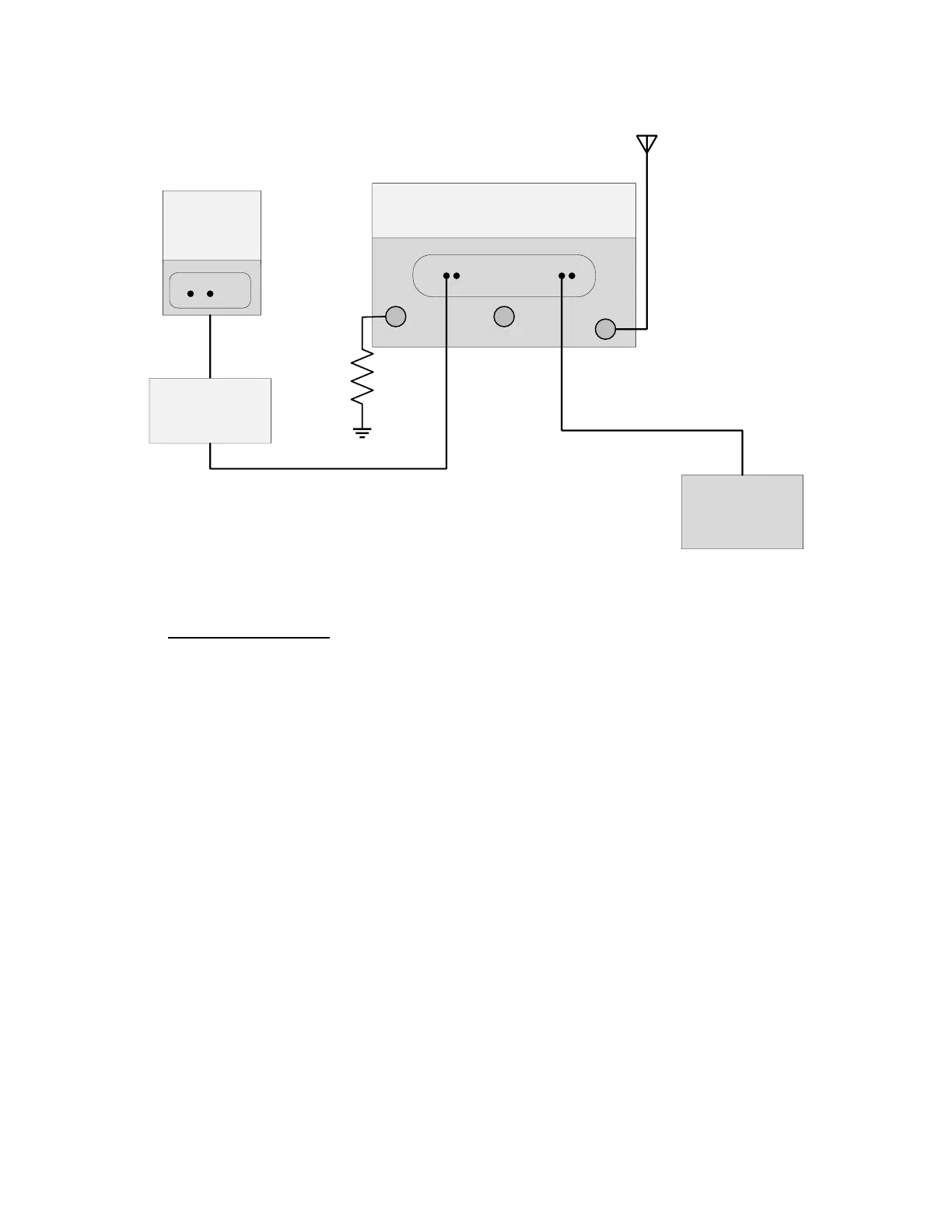
Figure 3-2 System Block Diagram of MXS Minimum Mode C/Mode S Installation
3.2 System Functionality
The MXS transponder performs the following basic functions:
3.2.1 Transponder
• Verified to meet the applicable requirements of DO-181E for a Mode S Class 1, Level 2
transponder.
• Interacts with air traffic control (ATC) by transmitting and receiving standard secondary
surveillance radar pulses per ICAO requirements. The transponder replies to ATCRBS
interrogations with a squawk code and pressure altitude data.
• Provides Mode S replies (includes data such as ICAO address and call sign) and is capable of being
selectively interrogated.
3.2.2 ADS-B In
• Verified to meet the applicable requirements of DO-260B for a Class A2 ADS-B Receiver.
• The MXS receives Automatic Dependent Surveillance-Broadcast In (ADS-B), Extended Squitter (ES)
messages that have been transmitted automatically from surrounding planes and the Air Traffic
Control (ATC) system.
• ES messages report Position, Velocity, Identification and Category, Target State and Status, and
Aircraft Operational Status. From this data, MXS generates ADS-B, TIS-B and ADS-R reports for
delivery to the flight computer which communicates the data to the user.


 To Next Page