Appendix D – Use and Maintenance of the Cooling Booster
Page 74
the current temperature. This 3 degree temperature margin will enable the ST-7/8 to regulate
the temperature accurately.
To operate the camera with water cooling, the procedure is the same except that the
water flow must be established before mounting the camera to the telescope, since the water
pumps have limited pressure capability. To do this, put the camera at the same level as the
water reservoir. Connect all the hoses, and make sure the water return goes back into the
reservoir. Push the ¼ inch internal diameter (ID) hoses onto the nipples on the back of the
camera so they seal. Attach one hose to the nipple onto the reducing connector which adapts
the ¼ inch ID hose to the ½ inch diameter hose from the pump.
Turn on the pump, and let the flow establish itself through the hoses. Next, mount the
camera to the telescope. If you always keep the return hose outlet near the reservoir level the
pump will have no problem raising the water 2 meters (6 feet) off the floor. The limited
pressure capacity of the pump is only a problem when you let the water fall back into the
reservoir from a significant height above it, such a 0.3 meter (12 inches). Lastly, check for leaks!
When using water cooling, avoid the temptation to put ice in the water to get the camera
even colder. As the cooling booster is designed, the camera will not be cooled below ambient
temperature if ambient temperature water is used. If colder water is used, the head may fog or
frost up, depending on the dew point. . The exposed electronics inside the ST-7/8 will get wet,
and corrode. The hoses will start dripping condensation, and you will have a mess. Keep the
ice for a cold drink!
At the end of the evening, stop the pump, and raise the outlet hose above the camera to
let all the water drain out of the system. Blowing it out with gently pressure helps clear the
water. You can leave the hoses full of water, but if a leak occurs while you’re not there you may
have a problem. When packing the camera for a long time, or at the end of summer, disconnect
the hoses and blow out the heat sink to allow the enclosed spaces to dry out and minimize long
term corrosion.
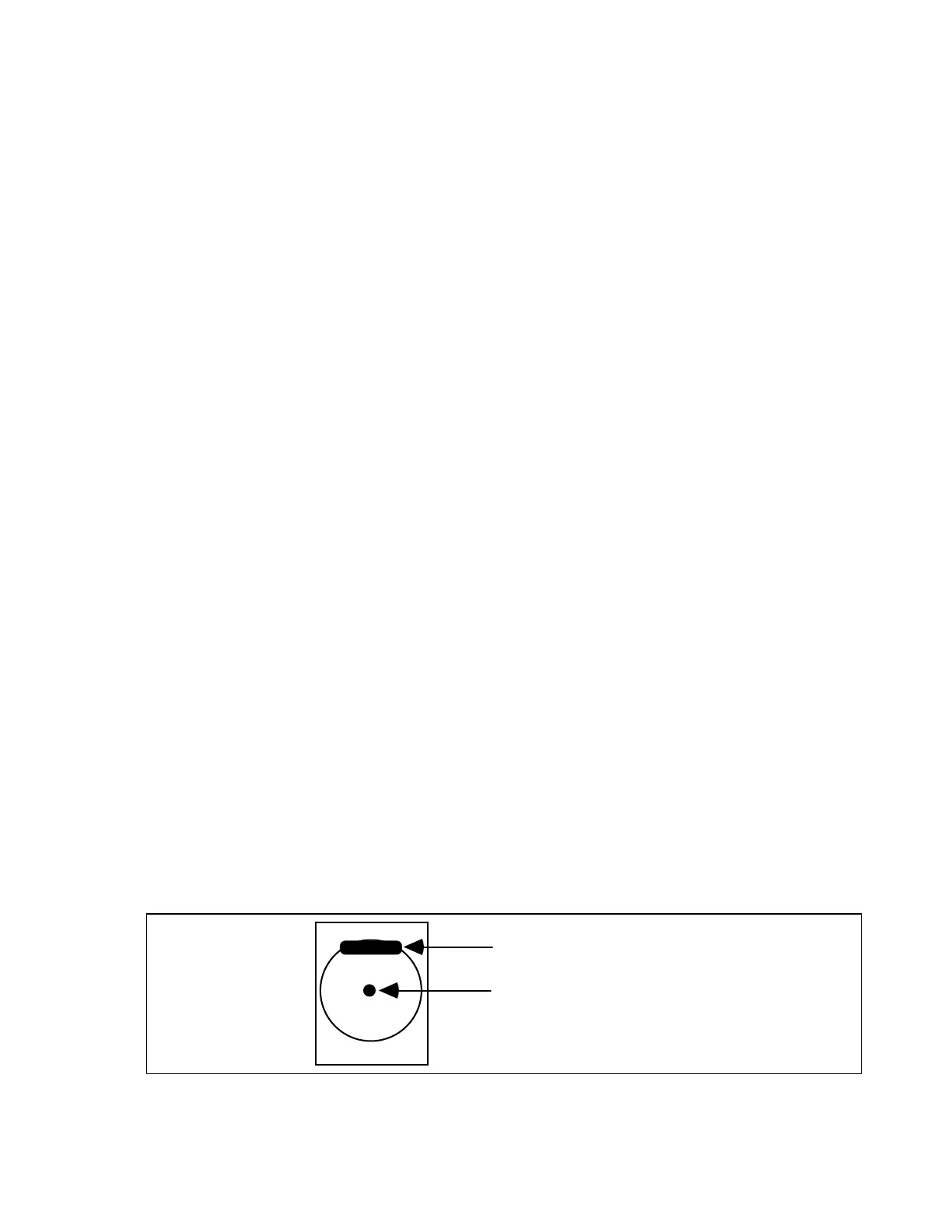
A 110VAC to 12VDC transformer is supplied with the cooling booster. The booster
requires approximately 2 amps at 12VDC.
If you wish to connect direct to 12VDC, please note
polarity of the DC Power Jack on back plate of camera.
The power jack is electrically isolated
from the camera body.
Ground in Center
+12VDC on outside
Mating plug is 5.5mm
outside and 2.1mm inside
Figure A - DC Power Jack


 To Next Page