4 TECHNICAL DATA
Width The minimum track width should be 1.4 mm. Scales with broader tracks do not have any
effect to the signal quality.
4.5.1 Linear Scale Specifications
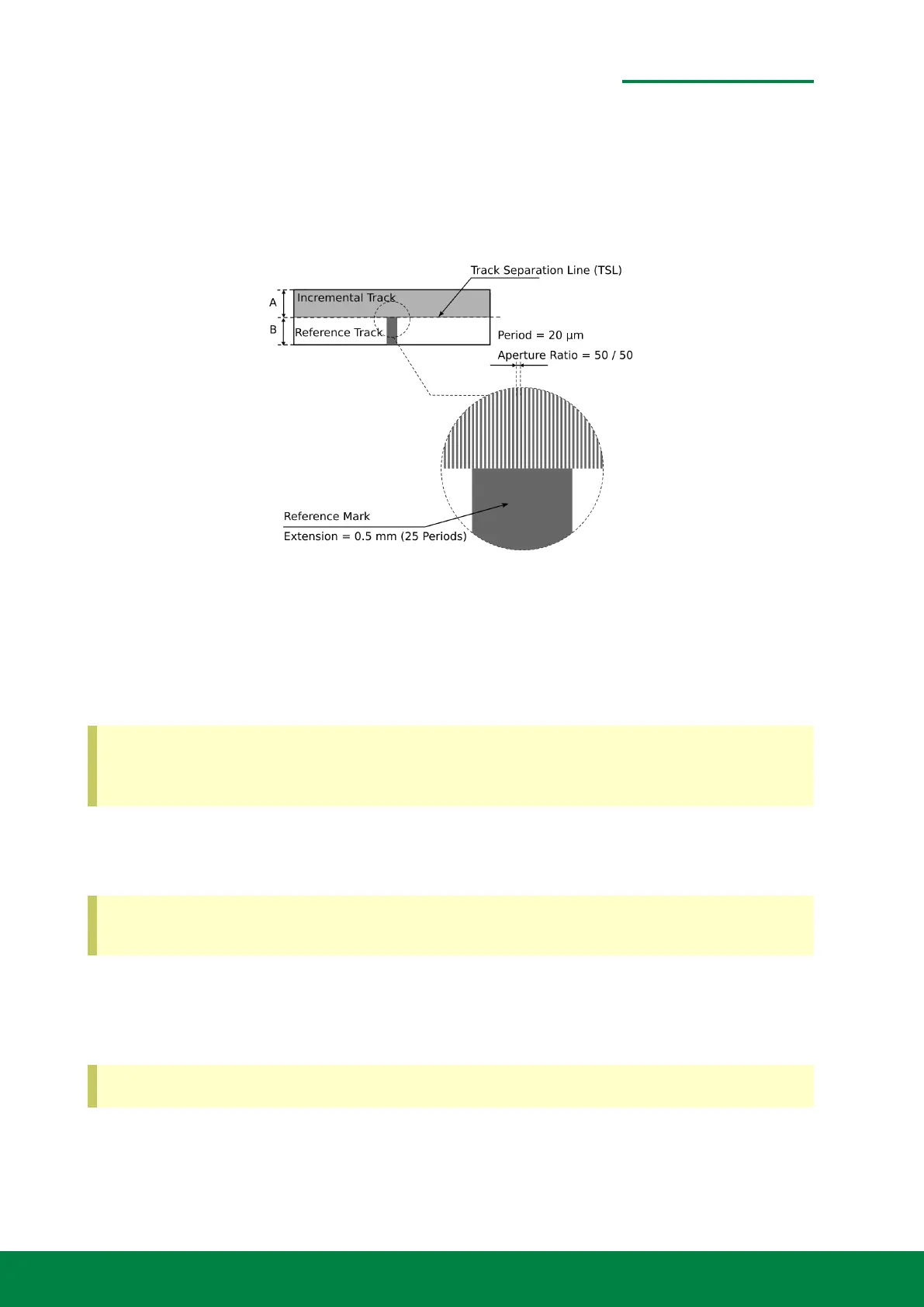
Figure 4.15: Scheme of a typical METIRIO measuring scale
A typical scale comprises two tracks. An incremental track A and a reference track B. The width of
each track is at least 1.4 mm. The two tracks are divided by an imaginary line, the so called Track
Separation Line (TSL). This line is important because the readhead is aligned centered to this line,
while the SmarAct logo faces the incremental track (see further chapter 5).
The scale width is unlimited in the Y-direction, i.e. the track widths A and B are allowed to
have any value greater than 1.4 mm. However, no aditional benefit regarding signal quality
can be achieved with broader scales.
The incremental track is an amplitude grating which generates the interference pattern. The pe-
riod (often refered to as pitch or stripe size) is always P = 20 µm. The ideal aperture ratio is 50/50.
However, other aperture ratios ara also capable to generate high-contrast interference patterns.
If any other Aperture ratio than 50/50 is provided, ensure that the reflective stripes are the
broader ones.
The reference mark can either be reflective on absorbing background or vice versa. The digital
interface provides a status bit, the so called Reference Polarity bit, in order to switch between
both types of reference marks (see additional user guide for programmers OE-UG00001 for further
reference).
The extension of one reference mark in the measuring direction equals 25 periods.
www.smaract.com | Page 40Metirio Encoder User Manual



 To Next Page