27| P a g e
Valves
Wing Inflatables uses a variety of fill valves, pressure release valves (PRVs), and flanges on our products. A “valve”
may actually consist of multiple components.
FILL VALVE: Used for adding air to a tube or MBT. These may or may not incorporate integral flanges.
PRESSURE RELEASE VALVES: PRVs are designed to release pressure that is greater than the designed working
pressure. PRVs usually have no accessible parts. PRVs will be installed into a component flange.
Fill Valves
Used for adding air to a tube or MBT. Fill valves have internal seals controlled by the stem. The stem opens and
closes the internal seal. Grit and sand can become lodged within this seal, requiring regular cleaning.
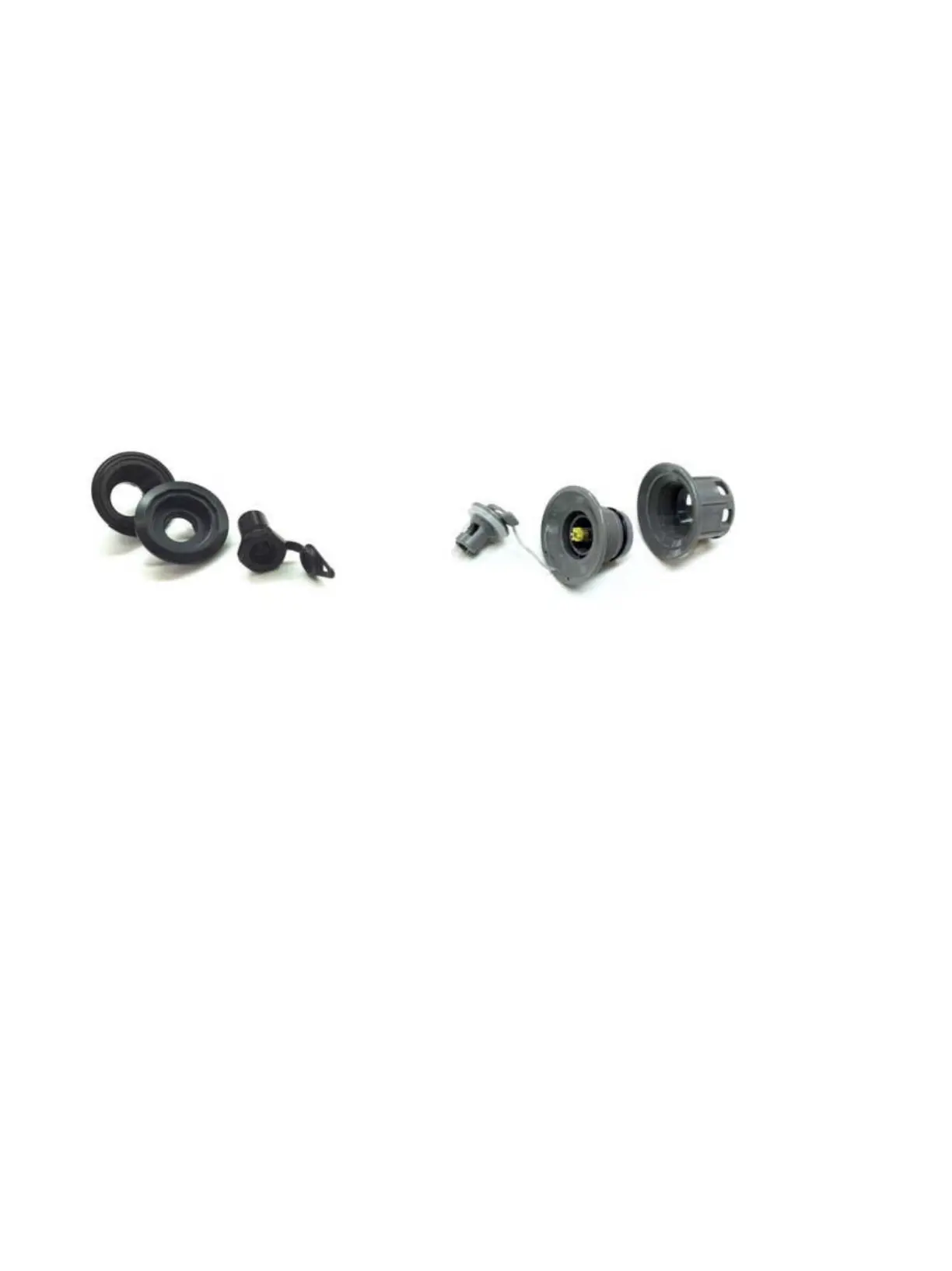
Mirada Fill Halkey-Roberts Fill
Flanges
Component flanges may be used in conjunction with either pressure release valves or fill valves. Valves are screwed
into the outer part of the flange while the internal “nut” part of the flange is screwed onto the outer flange to seal against
the inside of tube fabric. A “valve” may actually consist of multiple components.
Pressure Relief Valves
PRVs are designed to release excessive air pressure and sudden spikes in pneumatic pressure due to vessel impacts.
PRVs usually have no accessible parts, hence cannot be “opened up” for cleaning.
Cross-over/transfer valves are only supplied if your boat is equipped with our optional auto-inflation system.
Flanges & boots: Flanges are used in conjunction with either PRVs or fill valves. PRVs & valves are screwed
into the outer flanges; the outer flanges are screwed into the internal “boot” (located inside the MBT), sealing
the flange & boot tight against the fabric.
Valve Cleaning
Keep valve caps (covers) in place at all times! Replace lost or damaged caps immediately.
1. Fresh water with a small amount of soap is the only recommended cleaning agent for valves.
2. Remove valves for cleaning, leave flange in place when possible. Prevent dirt, water, or other foreign material from
entering open tube.
3. Valves should be inspected and cleaned regularly. Sand, or other foreign material, can become lodged in valves and
should be removed.
4. To clean the valve’s internal gasket, depress and twist the valve stem (clockwise) to reveal the seal area of the
gasket. Rinse any foreign matter away with fresh water. If needed air can be sprayed through valve internals to
clean any hard to get debris.



 To Next Page