28| P a g e
Valve Troubleshooting
The following steps should aid in identifying leaks and offer sealing solutions.
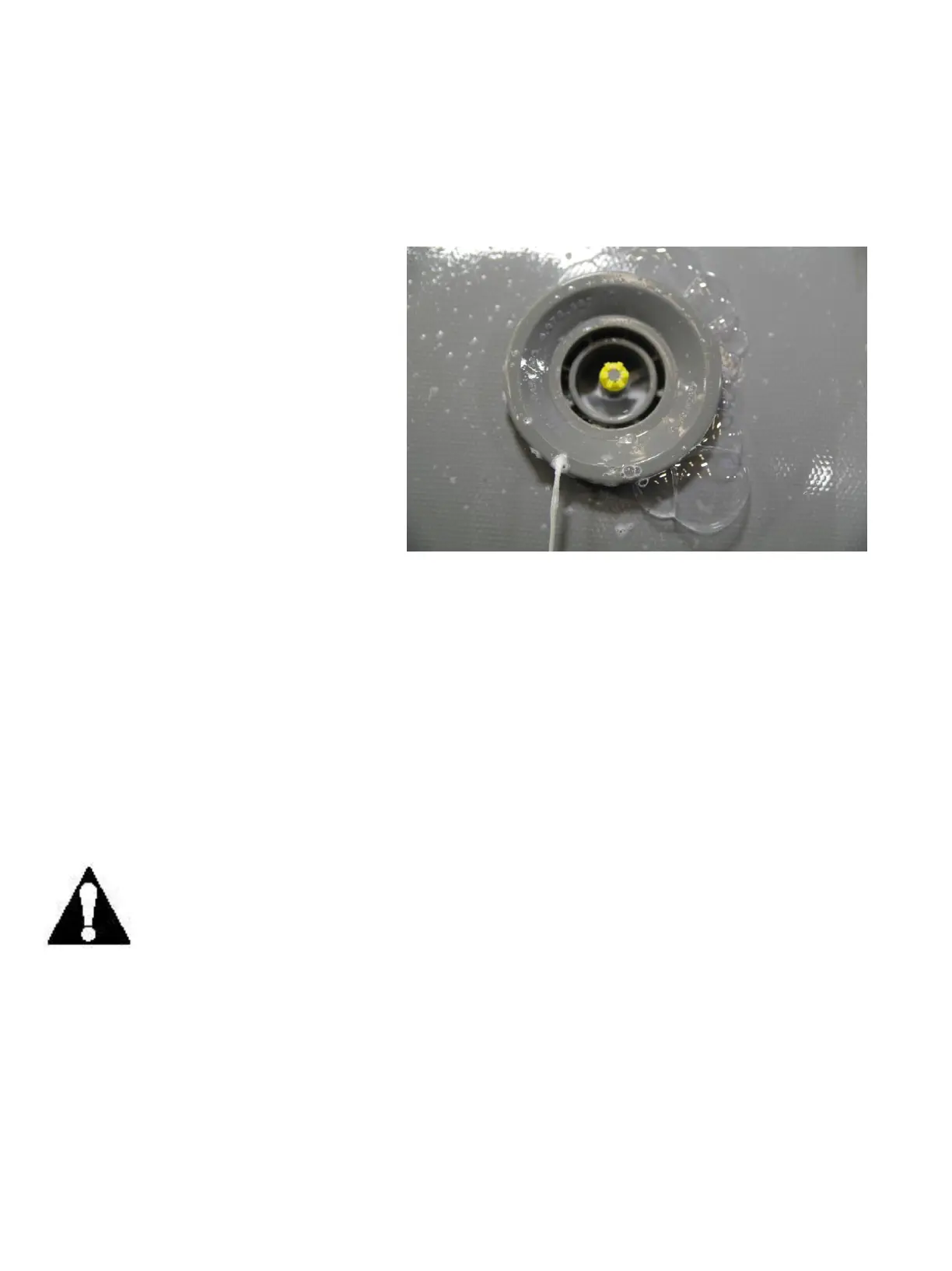
1. Spray the “suspect” surrounding area with
mild soapy water. The soapy bubbles will
help locate air leaks.
2. If bubbles come from middle of valve,
debris may be lodged in the valve gasket. A
good cleaning of the valve gasket (see
above) is suggested.
3. If valve continues to leak, the valve seal has
been damaged and the valve will need to be
replaced.
Remove valve caps. Inflate chamber to operating pressure (if possible).
PRV: Air WILL be coming out of the middle of PRV until pressure has equalized at operating pressure. Wait
at least 5 minutes before checking PRV for leaks. If PRV is still leaking, check pressure of chamber. If PRV
continues to leak/bubble below these pressures, PRV needs cleaning/replacement.
If bubbles come from around the outside edge of the Valve/PRV, tighten Valve/PRV within the Flange. Hand tighten
by turning clockwise until bubbles stop. Avoid over-tightening.
If bubbles come from outside edge of the flange/valve external flange and internal flange nuts need to be tightened.
Large channel lock pliers can be used to tighten Survival Engineering Inc. (SEI) external flanges. Wrap jaws with
masking tape to reduce the risk of damage.
WARNING:
EXTREME CAUTION SHOULD BE USED TO NOT DAMAGE/BREAK FLANGE WITH
PLIERS!!!!



 To Next Page