EasyManua.ls Logo

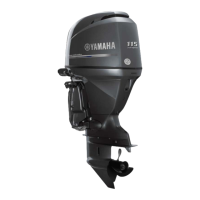
Yamaha F175A - User Manual

Yamaha F175A
108 pages
Print Icon
To Next Page IconTo Next Page
Loading...
Read this manual carefully before operating this
outboard motor.
OWNER’S MANUAL
F175A
F200F
FL200F
F200F1
FL200F1
6DA-28199-72-E0
U6DA72E0.book Page 1 Monday, December 22, 2014 11:13 AM

Table of Contents

Other manuals for Yamaha F175A

Questions and Answers

Summary

Important Manual Information

To the Owner

Welcomes the owner and explains the manual's purpose and importance for safe operation.

General Information

Identification Numbers Record

Records serial and key numbers for identification purposes and ordering parts.

Key Number Details

Explains the location and purpose of the key identification number for reference.

Compliance Marks and Labels

Details EC Declaration of Conformity, CE Marking, and other compliance labels.

Safety Information

Outboard Motor Safety Precautions

Covers propeller, rotating parts, hot parts, electric shock, power trim/tilt, and shut-off cord safety.

Fuel and Environmental Safety

Hazards associated with gasoline, carbon monoxide, and safe handling practices.

Boating Safety Practices

General safety practices for boating, including PFDs, passengers, and weather.

Collision Avoidance and Regulations

Strategies to prevent collisions and importance of knowing marine laws.

Specifications and Requirements

Engine and Power Unit Specifications

Technical specifications of the engine, power unit, and related systems.

Fuel and Oil Requirements

Recommended fuel types, octane ratings, engine oil, and gear oil specifications.

Installation Requirements

Guidelines for installing the outboard motor, including horsepower limits.

Components

Component Identification Diagram

Diagrams and labels identifying the main external parts of the outboard motor.

Remote Control and Security Systems

Explains the remote control transmitter, receiver, security system, and control levers.

Instruments and Indicators

Tachometer, Trim Meter, and Hour Meter

Explains tachometer, trim meter, and hour meter functions for monitoring engine status.

Speedometers and Fuel Gauges

Describes digital speedometers, fuel gauges, trip meters, clocks, and voltmeters.

Alert Indicators

Explains various alert indicators for low oil pressure, overheat, fuel level, and battery voltage.

Engine Control System

Alert System Functions

Introduces the engine alert system and its activation conditions.

Overheat and Low Oil Pressure Alerts

Explains the overheat and low oil pressure alert systems and their indicators.

Installation

Outboard Motor Mounting

Guidance on proper outboard motor mounting location and height for optimal performance.

Operation

First-Time Operation and Break-in

Procedures for filling engine oil and the recommended engine break-in period.

Checks Before Starting Engine

Essential checks to perform before starting the outboard motor.

Starting and Operating the Engine

Steps for filling fuel, starting the engine, and initial operation.

Trimming and Tilting the Outboard Motor

Instructions on adjusting the outboard motor's trim angle and tilting it up or down.

Maintenance

Transporting and Storing the Outboard Motor

Guidelines for safely transporting and storing the outboard motor.

Periodic Maintenance Schedule

Maintenance charts outlining service intervals for various components.

Spark Plug Inspection

Procedure for inspecting and checking the condition of spark plugs.

Engine Oil Change

Step-by-step guide for changing the engine oil using an oil changer or draining.

Trouble Recovery

Troubleshooting Guide

A Q&A guide for diagnosing and resolving common outboard motor issues.

Impact Damage Procedure

Recommended actions to take if the outboard motor sustains impact damage.

Replacing Fuses

Steps for identifying, removing, and replacing blown fuses in the electrical system.

Water Separator Alert Troubleshooting

Procedure for resolving issues when the water separator alert is activated.

Summary

Important Manual Information

To the Owner

Welcomes the owner and explains the manual's purpose and importance for safe operation.

General Information

Identification Numbers Record

Records serial and key numbers for identification purposes and ordering parts.

Key Number Details

Explains the location and purpose of the key identification number for reference.

Compliance Marks and Labels

Details EC Declaration of Conformity, CE Marking, and other compliance labels.

Safety Information

Outboard Motor Safety Precautions

Covers propeller, rotating parts, hot parts, electric shock, power trim/tilt, and shut-off cord safety.

Fuel and Environmental Safety

Hazards associated with gasoline, carbon monoxide, and safe handling practices.

Boating Safety Practices

General safety practices for boating, including PFDs, passengers, and weather.

Collision Avoidance and Regulations

Strategies to prevent collisions and importance of knowing marine laws.

Specifications and Requirements

Engine and Power Unit Specifications

Technical specifications of the engine, power unit, and related systems.

Fuel and Oil Requirements

Recommended fuel types, octane ratings, engine oil, and gear oil specifications.

Installation Requirements

Guidelines for installing the outboard motor, including horsepower limits.

Components

Component Identification Diagram

Diagrams and labels identifying the main external parts of the outboard motor.

Remote Control and Security Systems

Explains the remote control transmitter, receiver, security system, and control levers.

Instruments and Indicators

Tachometer, Trim Meter, and Hour Meter

Explains tachometer, trim meter, and hour meter functions for monitoring engine status.

Speedometers and Fuel Gauges

Describes digital speedometers, fuel gauges, trip meters, clocks, and voltmeters.

Alert Indicators

Explains various alert indicators for low oil pressure, overheat, fuel level, and battery voltage.

Engine Control System

Alert System Functions

Introduces the engine alert system and its activation conditions.

Overheat and Low Oil Pressure Alerts

Explains the overheat and low oil pressure alert systems and their indicators.

Installation

Outboard Motor Mounting

Guidance on proper outboard motor mounting location and height for optimal performance.

Operation

First-Time Operation and Break-in

Procedures for filling engine oil and the recommended engine break-in period.

Checks Before Starting Engine

Essential checks to perform before starting the outboard motor.

Starting and Operating the Engine

Steps for filling fuel, starting the engine, and initial operation.

Trimming and Tilting the Outboard Motor

Instructions on adjusting the outboard motor's trim angle and tilting it up or down.

Maintenance

Transporting and Storing the Outboard Motor

Guidelines for safely transporting and storing the outboard motor.

Periodic Maintenance Schedule

Maintenance charts outlining service intervals for various components.

Spark Plug Inspection

Procedure for inspecting and checking the condition of spark plugs.

Engine Oil Change

Step-by-step guide for changing the engine oil using an oil changer or draining.

Trouble Recovery

Troubleshooting Guide

A Q&A guide for diagnosing and resolving common outboard motor issues.

Impact Damage Procedure

Recommended actions to take if the outboard motor sustains impact damage.

Replacing Fuses

Steps for identifying, removing, and replacing blown fuses in the electrical system.

Water Separator Alert Troubleshooting

Procedure for resolving issues when the water separator alert is activated.

Yamaha F175A Specifications

General IconGeneral
Starting SystemElectric
SteeringRemote
Maximum Output175 hp @ 5, 500 rpm
Gear Ratio2.0:1
Fuel Induction SystemElectronic Fuel Injection (EFI)
Ignition SystemTCI
Alternator Output50 Amp
Recommended FuelRegular Unleaded Gasoline (Minimum Pump Octane Number 87)
Recommended Engine OilYamalube 4M
Full Throttle RPM Range5, 000 - 6, 000 rpm

Related product manuals