USER’S MANUAL
Chapter 1 DESCRIPTION OF THE
MACHINE
The electro-hydraulic 2-post lift is a fixed installation. This
means that it is anchored to the ground and built for lifting
and positioning automobiles and vans at a certain height
off the ground.
The lift consists of the following main parts:
◆ Fixed structure (posts);
◆ Moving units (carriages + arms);
◆ Lifting units (hydraulic cylinders + power unit);
◆ Safety devices.
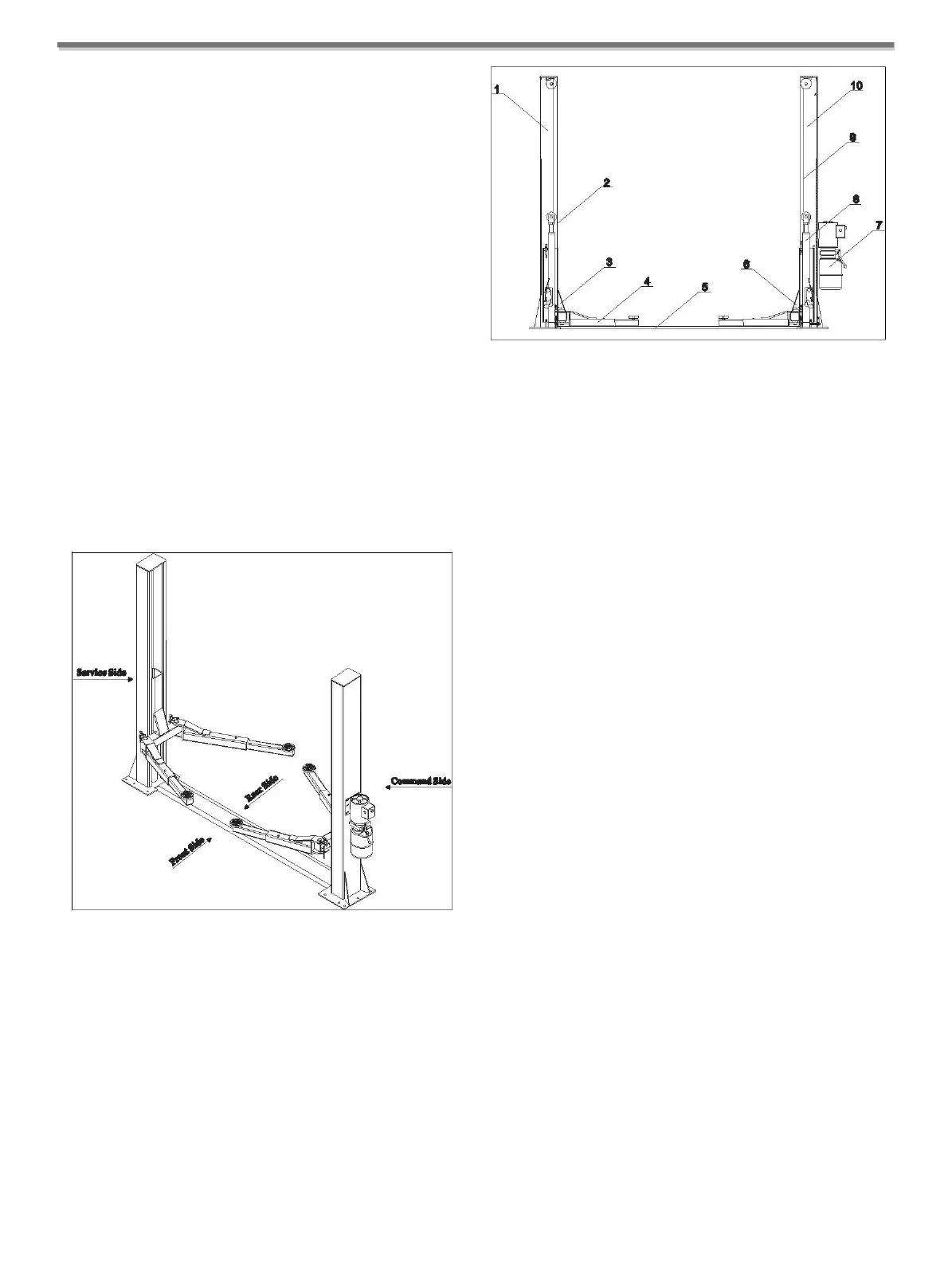
Fig. 1 illustrates the working areas reserved for use by
operators around the lift.
Fig. 1
◆ Command side: this side of the lift includes the area
reserved for operators to access the control box.
◆ Service side: this is the opposite side of the command
side.
◆ Front side: the side with the short arms.
◆ Rear side: the side with the long arms.
Fig. 2 illustrates the various parts of the lift.
Fig. 2
1.1 FIXED STRUCTURE
The structure consists of:
◆ 2 posts, (service (Fig. 2-1) and command (Fig. 2-10)
side post) built with bent steel plate. The base is
welded to a drilled plate to be anchored to the floor.
The hydraulic power unit (Fig. 2-7) are attached to the
command post. Inside each post are the moving parts
to lift the vehicles.
◆ The column set on the base.
1.2 MOVING UNITS
Each unit consists of:
◆ Both carriage (Fig. 2-3 and Fig. 2-6) built with
welded steel plate. It joints by chain (Fig. 2-2) and the
cable (Fig. 2-9), and at the bottom to the lift arms by
means of pins.
◆ The carriage moves along the post, guided by plastic
sliding pads, located inside the post itself.
◆ Two telescopic arms, one long and one short (Fig. 2-
4), built with tubular steel with a pad at each end that
can be height adjusted to hold the car and on the
opposite side the carriage connection hole.
1.3 LIFTING UNIT
It consists of:
◆ 2 hydraulic cylinders (Fig. 2-8), the carriages run by
chains and synchronized by steel cables.
-1-


 To Next Page