SM-4 Series Stereo Microscope
AmScope Proprietary Page 28 of 37
7. General Microscopy Guide
Microscopes come in a wide variety of types with many different features.
Each AmScope model is designed for specific uses and specific users. This
guide will help illustrate what some of the different product variations mean
and why they are useful.
Compound and Stereo Microscopes
The best choice to use a compound or a stereo microscope depends on the
specimen being studied.
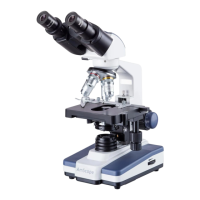
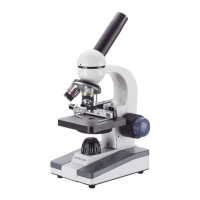
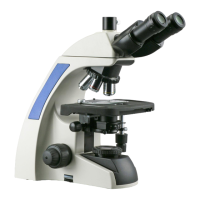
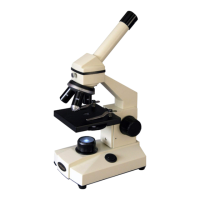
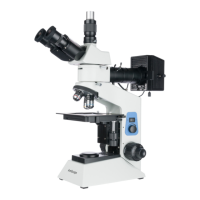
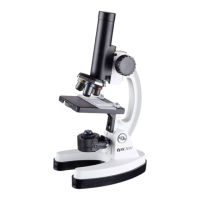
Compound microscopes are best for smaller
transparent specimens, like slides and
biological subjects.
Compound microscopes show a two-
dimensional image of the specimen (usually
reversed and upside-down)
The common magnification range of our
compound microscopes is between 40X-
1000X, could be up to 2500X. You need a
minimum of 400X to study cell structure.
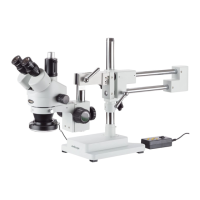
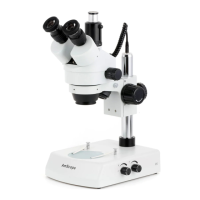
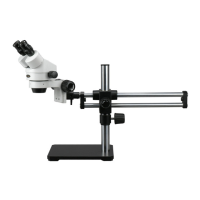
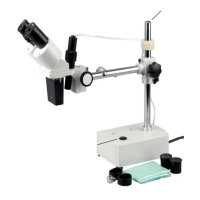
Stereo microscopes are best for larger
specimens you cannot see through.
Stereo microscopes show a 3D image.
Three dimensional imaging is perfect for
performing dissections, repairing circuit
boards, studying fossils and gems or
examining any specimen where you want to
use your hands.
The magnification range of our stereo
microscopes is between 2X to 225X.



 To Next Page