What you should know about your heating system
2
Logamatic 4321/4322 - Technical specifications are subject to change without prior notice.
6
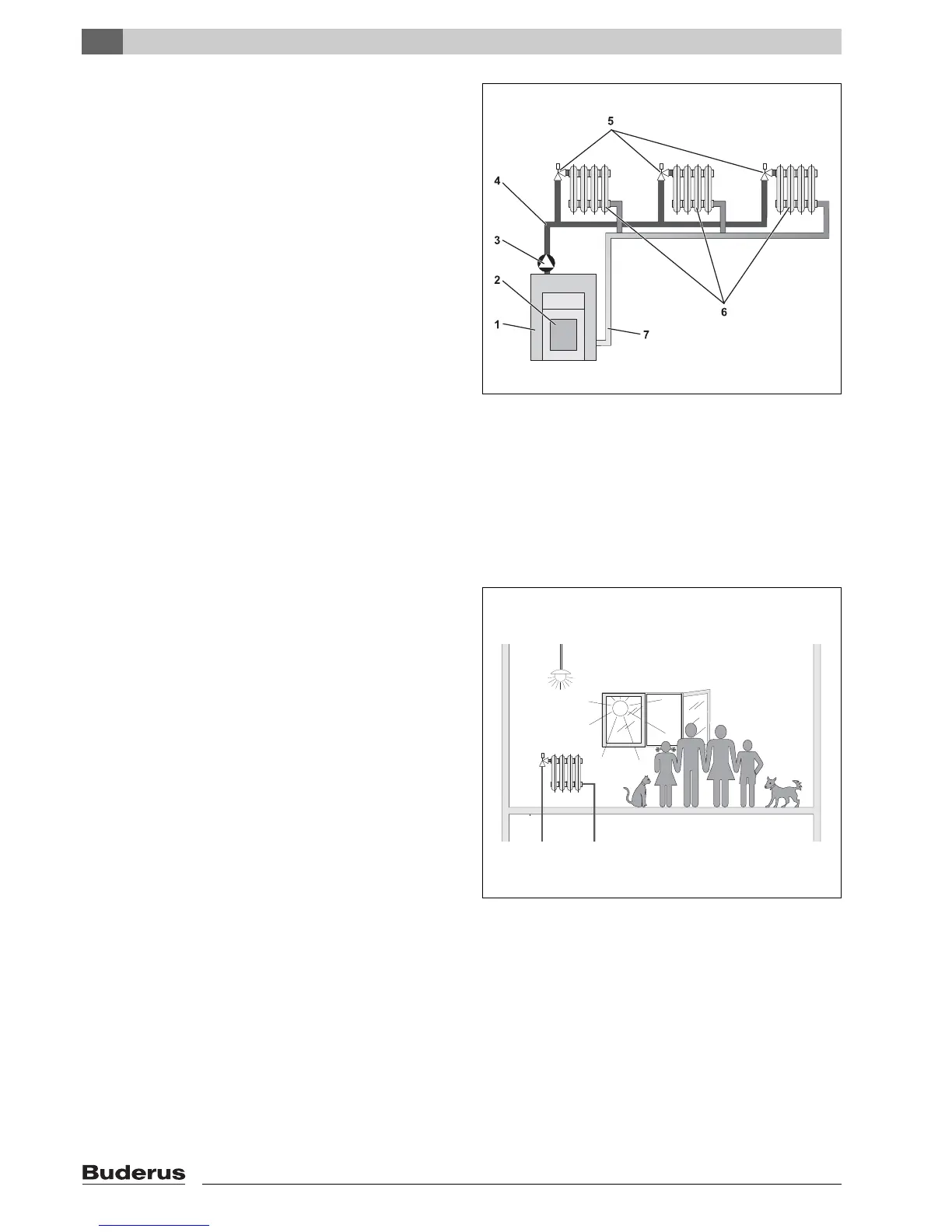
Fig. 1 shows the heating zone of a pumped central
heating system: The burner [2] heats the water inside
the boiler [1]. This boiler water is transported by the
pump [3] through the system supply pipe [4] to the
radiators [6]. The boiler water flows through the
radiators, and in doing so, gives off some of its heat. The
boiler water flows back to the boiler via the return line [7],
where the cycle starts again.
The room temperature can be adjusted to your personal
requirements using the radiator valves [5]. All radiators
are supplied with the same supply temperature. The
heat transferred to the room depends on the radiator
surface and the boiler water throughput. Therefore, the
heat transfer can be manipulated via the radiator valves.
What determines the heat demand of a room?
The heat demand of a room largely depends on the
following factors:
– outdoor temperature
– the desired room temperature
– the type of construction/insulation of the building
– the wind factor
– solar gain
– the internal heat sources
(open fireplace, occupants, lamps, etc.)
– closed or open windows
You should take these factors into consideration to
achieve a comfortable room temperature.
Fig. 1 Pumped central heating design
1 Boiler
2 Burner
3 Circulator
4 System supply pipe
5 Radiator valves
6 Radiator
7 System return pipe
Fig. 2 Influences on the room climate


 To Next Page