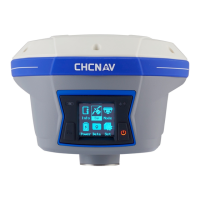
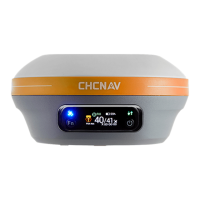
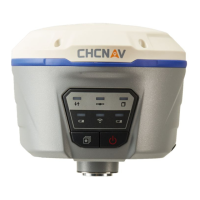
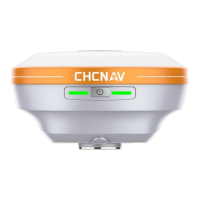
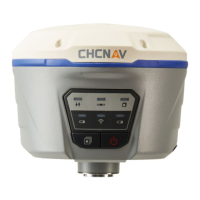
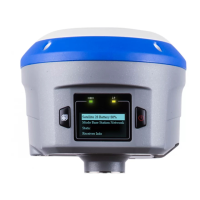
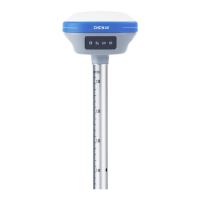
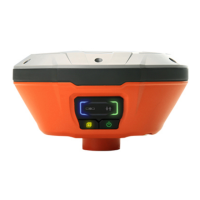
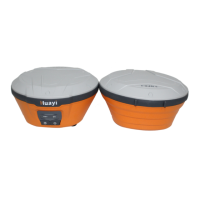
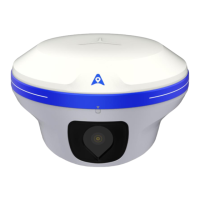
CHCNAV i93 GNSS USER GUIDE
|
2023-04
P
a
g
e
|
5
Preface
Copyright
Copyright 2023-2024
CHCNAV | Shanghai Huace Navigation Technology Ltd. All rights reserved. The CHCNAV are
trademark of Shanghai Huace Navigation Technology Limited. All other trademarks are the
property of their respective owners.
Trademarks
All product and brand names mentioned in this publication are trademarks of their respective
holders.
Safety Warnings
GNSS (Global Navigation Satellite System) receivers are electronic devices that use signals from
satellites to determine location, speed, and time. While GNSS receivers are generally safe to
use, there are some safety considerations that users should keep in mind:
Do not rely solely on GNSS for navigation: GNSS signals can be disrupted by various factors such
as tall buildings, trees, and bad weather. It is important to use other navigation aids such as
maps, compasses, and visual landmarks.
Keep GNSS receivers away from other electronic devices: Electronic devices such as mobile
phones, radios, and computers can emit electromagnetic interference (EMI) that can disrupt
GNSS signals. Keep GNSS receivers away from such devices to avoid EMI.
Do not tamper with GNSS receivers: Tampering with GNSS receivers or modifying their software
can cause them to malfunction or produce inaccurate readings. Only use GNSS receivers that
are certified and authorized for use.
Follow manufacturer instructions: Follow the manufacturer's instructions regarding the safe use
and handling of GNSS receivers. This includes instructions for charging, cleaning, and storing the
device.
Dispose of GNSS receivers properly: When disposing of GNSS receivers, follow local regulations
for electronic waste disposal to avoid harming the environment.
It is important to use GNSS receivers safely to avoid accidents or injury. If you experience any
issues or concerns with your GNSS receiver, contact the manufacturer or a qualified technician
for assistance.


 To Next Page