PM1323
F-0352
REV. A
SECTION 8
AUXILIARY POWER GUIDE
8-2 HOW MUCH POWER DOES SUPPLY THE GENERATOR
1.- LIMIT LOAD TO 90% OF GENERATOR
OUTPUT.
Always start non-resistive (motor) loads
in order from largest to smallest, and add
resistive load last.
2.- 5 SECONDS RULE.
If motor does not start within 5 Seconds,
turn off power to prevent motor damage.
Motor requires more power than generator
can supply.
1
2
8-1 HOW MUCH POWER DOES EQUIPMENT REQUIRED?
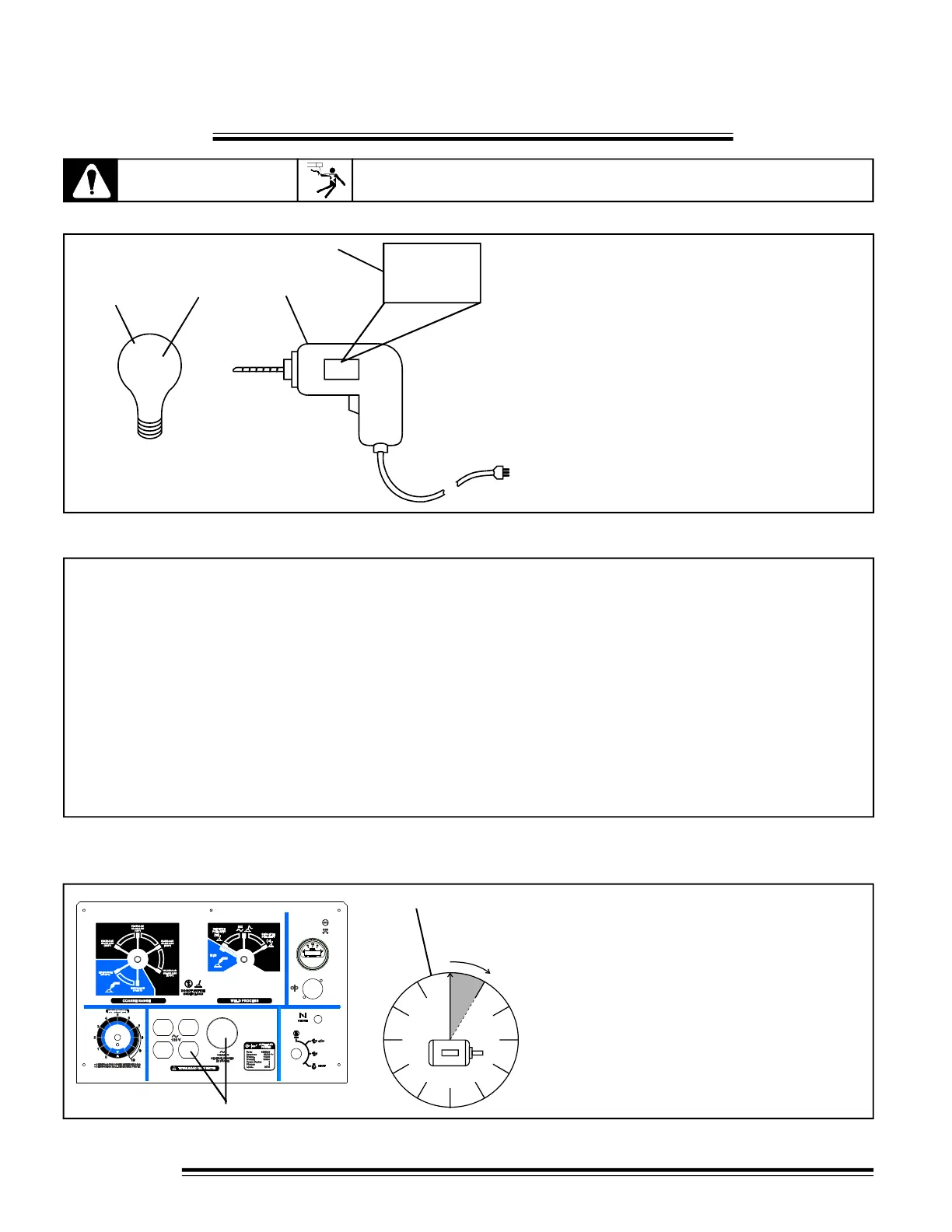
FIGURE 7-1 POWER REQUIRED BY DIFFEREN TYPES OF EQUIPMENT (LOADS).
VOLTS x AMPERES = WATTS
This equation provides an actual power requirement for resistive loads, or an approximate running
requirement for non-resistive loads.
EXAMPLE 1: If a drill requires 4.5Amp. at 120V calculate its running power requirement in watts.
120 V x 4.5 A = 540 W
Therefor, the individual load applied by the drill is 540Watts.
EXAMPLE 2: If a flood lamp is rated at 200W. the individual load applied by the lamp is 200W. if three
200W flood lamps are used with the drill form example 1 add the individual loads to calculate total load.
( 200 W + 200 W + 200 W ) + 520 W = 1120 W
Therefor, the total load applied by the three flood lamps and drill is 1120 watts.
FIGURE 7-2 CALCULATING POWER REQUIRED TO RUN EQUIPMENT.
1.- RESISTIVE LOAD.
A light bulb is a resistive load and requires
a constant amount of power.
2.-NON-RESISTIVE LOAD.
Equipment with a motor, such as a drill,
is a non-resistive load and requires more
power whilestarting the motor than when
running (See figure 7-3).
3.- RATING DATA.
Volts and amperes, or watts required to
run equipment. Determine power required
as shown in figure 7-2.
60 W
VOLTS 120
AMPS 4.5
3
1
2
3
WARNING
READ SAFETY BLOCKS at beginning of manual before proceeding.
23


 To Next Page