Copyright © 2021 congatec GmbH TCTLm02 62/67
SMB_ALERT# B15 System Management Bus Alert – active low input can be used to generate an
SMI# (System Management Interrupt) or to wake the system.
I 3.3 VSB PU 100 kΩ 3.3 VSB
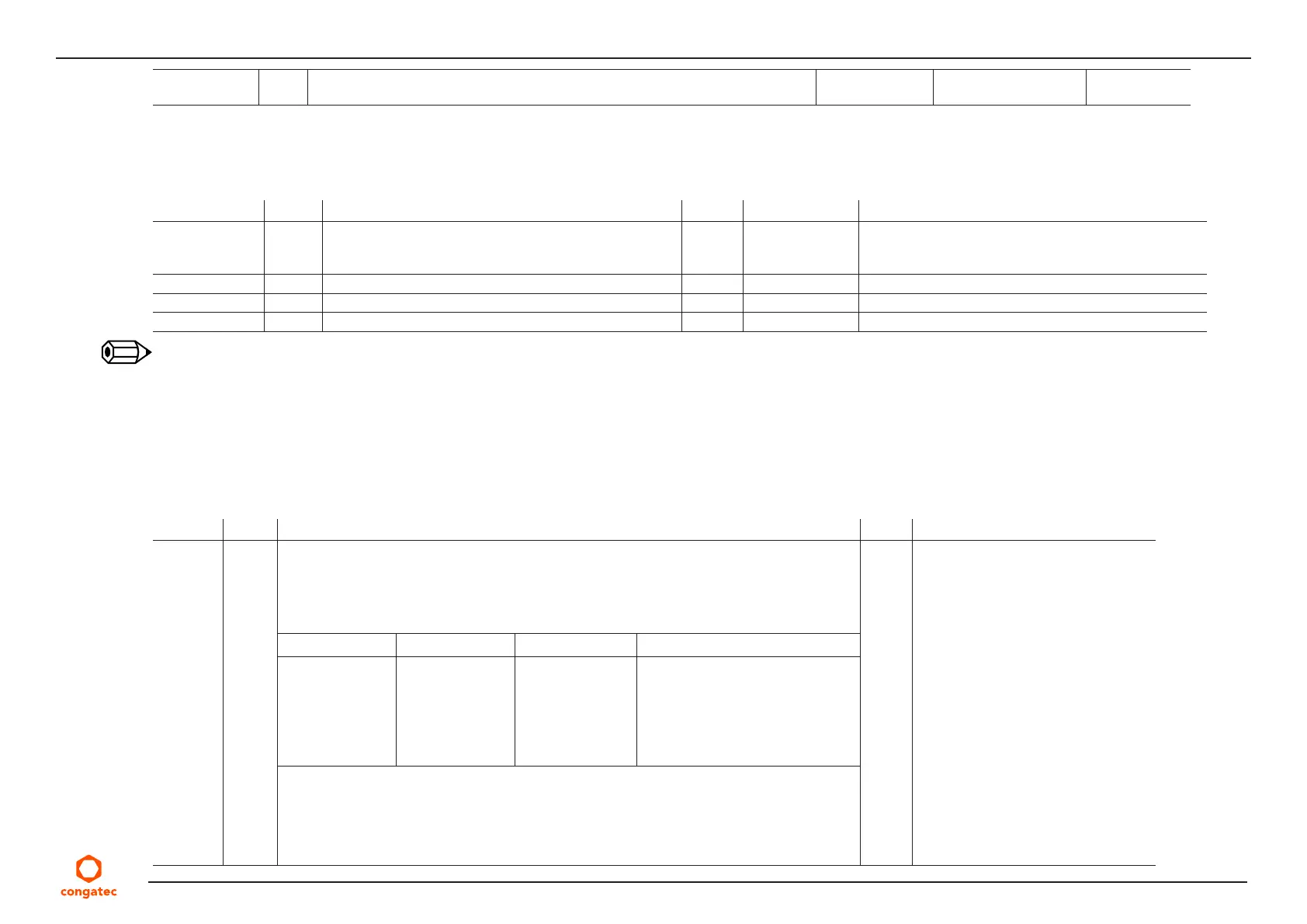
Table 36 General Purpose Serial Interface Signal Descriptions
Signal Pin # Description I/O PU/PD Comment
SER0_TX
1
A98 General purpose serial port transmitter O 3.3 V This pin is protected on the module by a series schotty
diode. Pulldown resistor is therefore required on the
carrier for proper logic level.
SER1_TX
1
A101 General purpose serial port transmitter O 3.3 V
SER0_RX
1
A99 General purpose serial port receiver I 3.3 V PU 47K5 3.3 V
SER1_RX
1
A102 General purpose serial port receiver I 3.3 V PU 47K5 3.3 V
Note
1.
Pins are protected on the module by a series schotty diode. Therefore, pull-down resistor is required on the carrier board for proper logic
level.
Table 37 Module Type Definition Signal Description
Signal Pin # Description I/O Comment
TYPE0#
TYPE1#
TYPE2#
C54
C57
D57
The TYPE pins indicate to the carrier board the pinout type that is implemented on the
module.
The pins are tied on the module to either ground (GND) or are no-connects (NC). For pinout
Type 1, these pins are don’t care (X).
PDS TYPE[0:2]# signals are available on
all modules following the Type 2-6
Pinout standard.
The conga-TC570 is based on the
COM Express Type 6 pinout therefore
the pins 0 and 1 are not connected
and pin 2 is connected to GND.
TYPE2# TYPE1# TYPE0#
X
NC
NC
NC
NC
GND
X
NC
NC
GND
GND
NC
X
NC
GND
NC
GND
NC
Pinout Type 1
Pinout Type 2
Pinout Type 3 (no IDE)
Pinout Type 4 (no PCI)
Pinout Type 5 (no IDE, no PCI)
Pinout Type 6 (no IDE, no PCI)
The carrier board should implement combinatorial logic that monitors the module ‘TYPE’
pins and keeps power off (e.g deactivates the ATX_ON signal for an ATX power supply) if an
incompatible module pin-out type is detected.
The carrier board logic may also implement a fault indicator such as an LED.


 To Next Page