EasyManua.ls Logo

Dexcom one - User Manual

Dexcom one
92 pages
Print Icon
To Next Page IconTo Next Page
Loading...
Welcome
Home screen overview
Alerts
Treatment decisions
Starting a new sensor
Appendices
Instructions For Use
USER GUIDE

Table of Contents

Other manuals for Dexcom one

Questions and Answers

Summary

Dexcom ONE Safety Statements

Indications, Contraindications, and Warnings

Specifies intended use, contraindications, and critical safety warnings.

Precautions and Safety Statements

Outlines precautions for handling, environment, and system use.

Transmitter and Display Device Safety

Safety guidelines for transmitter operation and display device interaction.

Display Device Screens

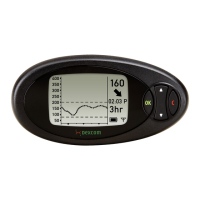
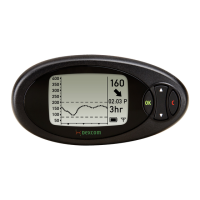
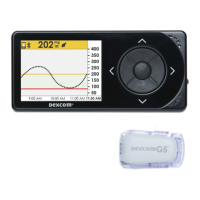
Home Screen and Sensor Readings

Overview of the home screen, displaying current glucose values.

Trend Arrows, Graphs, and Navigation

Explains trend indicators, graphs, and how to navigate the system interface.

Reports and Screen Issue Resolution

Accessing glucose reports and troubleshooting common screen problems.

Alerts

Critical Alert Safety Notices

Essential warnings about alert functionality and device settings.

Low;High Glucose Alerts and Customization

Details on low/high alerts and how to set them up.

Achieving Goals with Alerts

How alerts can be used as a tool for diabetes management and goal achievement.

Treatment Decisions

When to Use BG Meter vs. Dexcom ONE

Guidance on when to rely on a blood glucose meter for treatment decisions.

Interpreting Trends for Decisions

Using trend arrows and practice scenarios for making treatment choices.

Additional Treatment Guidance

Resources and advice for further support in managing diabetes treatment.

Starting a New Sensor Session

Sensor Removal and Replacement

Step-by-step instructions for removing and starting a new sensor session.

Transmitter Reuse and Lifespan

Information on transmitter longevity and how to reuse it for multiple sessions.

Troubleshooting

Accuracy and Symptom Mismatches

Resolving discrepancies between sensor readings, symptoms, and BG meter values.

Adhesive Patch and Skin Issues

Solutions for adhesive patch problems and sensor site skin irritation.

Common Alerts and Connectivity Problems

Addressing brief sensor issues, pairing failures, signal loss, and transmitter errors.

Technical Support and System Errors

Guidance for contacting technical support and resolving receiver or system errors.

Taking Care of Your Dexcom ONE

Storage and Maintenance

Guidelines for proper storage and maintenance of sensors, transmitters, and receivers.

System Disposal Procedures

Information on environmentally responsible disposal of system components.

Risks and Benefits

Potential Risks and Safety Concerns

Information on potential risks including missed alerts, insertion issues, and substance interactions.

Benefits of Using Dexcom ONE

Advantages of the system for diabetes management, trend analysis, and lifestyle feedback.

Dexcom ONE Warranty

Receiver and Sensor Warranty

Details of warranty coverage, limitations, and obligations for receivers and sensors.

Transmitter Warranty and Liability

Terms of the transmitter warranty and limitations on Dexcom's liability.

Technical Information

Device Performance Specifications

Summary of device accuracy metrics and performance characteristics under various conditions.

Product Specs, Compliance, and EMC

Technical specifications for components, compliance, and electromagnetic compatibility.

Dexcom one Specifications

General IconGeneral
AlertsCustomizable high and low glucose alerts
TypeContinuous Glucose Monitoring (CGM)
Sensor Life10 days
CalibrationNo fingerstick calibrations required
Data SharingYes, via Dexcom Follow app
Measurement Range40-400 mg/dL
Wireless RangeUp to 6 meters (20 feet)
Water ResistanceWater-resistant up to 8 feet (2.4 meters) for 24 hours
Transmitter Battery Life3 months (automatic)

Videos

How to get started Dexcom one+ - receiver

How to Calibrate Dexcom G6

Related product manuals