55
PERIODICAL INSPECTION AND MAINTENANCE.
7/71, 12/56
COOLING SYSTEM
Checking Belt Wear
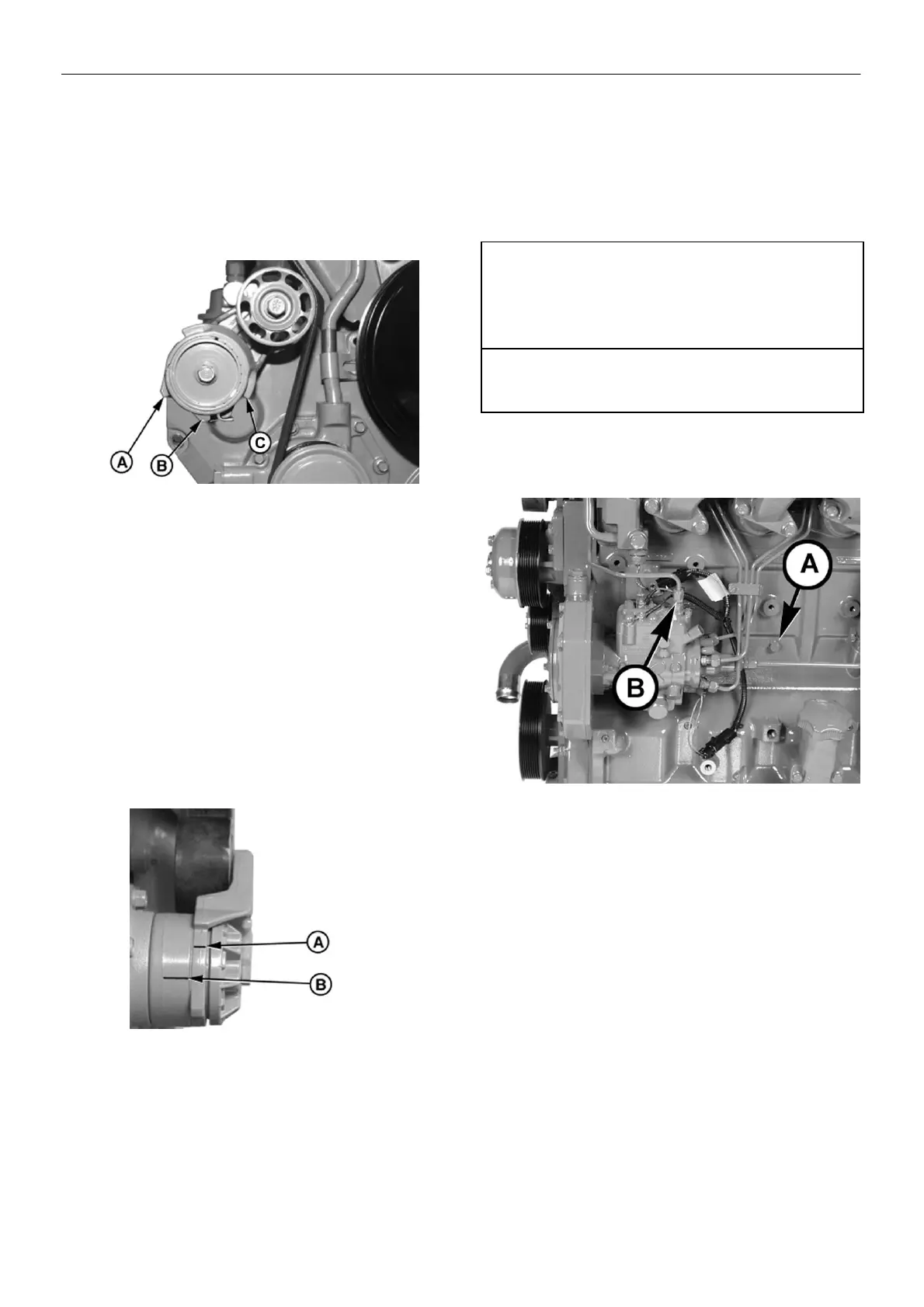
The engine is fitted with an automatic belt tensioner, which is
designed to operate within the limits provided by fixed stops A & B
see fig.12. Inspect position of tension arm; if arm stop C rests on
stop B indicating loss of tension, check all mounting brackets and
belt length. Replace belt as required
Fig. 12
Checking Tension
Belt tension gauges should not be used to check Automatic
tensioners. If necessary the tension provided by the automatic
tensioner can be checked as follows.
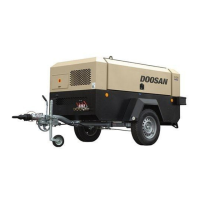
Remove belt and release all tension
Mark swinging arm (A)
Measure 21mm from A and mark base (B)
Use a torque wrench to measure the torque required to align the
marks A & B. (18−22Nm) (refer to fig. 13).
(Note: Thread on belt tensioner roller cap screw is Left Hand thread)
Fig. 13
After the adjustment, operate the engine for about five minutes at a low
idle speed, stop the engine and recheck the belt tension. Pay particular
attention to this when installing a new belt. Belt tension may vary initially
due to the belt bedding in.
Use of Genuine Doosan Fan Belt.
Always use Genuine Doosan fan belts as they provide high driving
ability and long operating durability. Use of non−Doosan fan belts could
result in premature belt wear or belt elongation leading to engine
overheating or excessive belt noise.
Coolant Change
The coolant must be changed at intervals of 2000 hours or twelve
months, whichever come first.
If the coolant becomes sludged up it will lead to engine overheating or
coolant blow−off from the radiator.
Coolant draining.
WARNING: Hot engine coolant and steam can cause injury. When ad-
ding to or draining coolant or antifreeze solution from the engine radi-
ator, stop the engine at least one minute prior to releasing the radiator
filler cap. Using a cloth to protect the hand, slowly release the filler cap,
absorbing any released fluid with the cloth. Do not remove the filler cap
until all excess fluid is released and the engine cooling system fully
depressurised.
WARNING: Follow the instructions provided by the antifreeze supplier
when adding or draining the antifreeze solution. It is advisable to wear
personal protective equipment to prevent skin and eye contact with the
antifreeze solution.
Remove the radiator cap.
Slacken the bottom radiator hose clamp to drain the coolant from the
radiator.
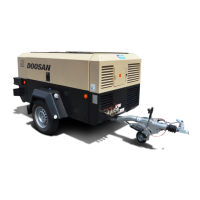
Fig. 14
A Cylinder block water drain plug
Drain the coolant from the engine block by loosening the water drain
plug (A fig. 26) on the left side of cylinder block behind the alternator.
Filling with coolant
Ensure that the engine is cool.
Close the coolant drain plug and tighten the bottom hose clamp.
Use clean water mixed 50/50 with antifreeze as a coolant. Fill up the
radiator with the coolant until the level comes up to the “MAX COLD”
mark on the reserve tank.
Fill slowly to prevent air entering the cooling system.
For Coolant volume, refer to ”General Information section”
When the system has been filled, operate the engine about five minutes
at a low idle speed, then as the air contained in the coolant circuit is bled
off the coolant level will drop.
Stop the engine and replenish with the correct coolant mix.
Cleaning outside of Radiator
Debris, mud or dried grass caught between radiator fins will block the
air flow, resulting in lower cooling efficiency. Clean the radiator fins with
steam or low pressure (< 5 Bar) compressed air every 250 hours or 3
months (whichever comes first) or more frequently in adverse
operating conditions.



 To Next Page