have any questions about integrating the ObservAir into your air quality
monitoring efforts, please contact us at info@dstech.io.
1.1. Principle of operation
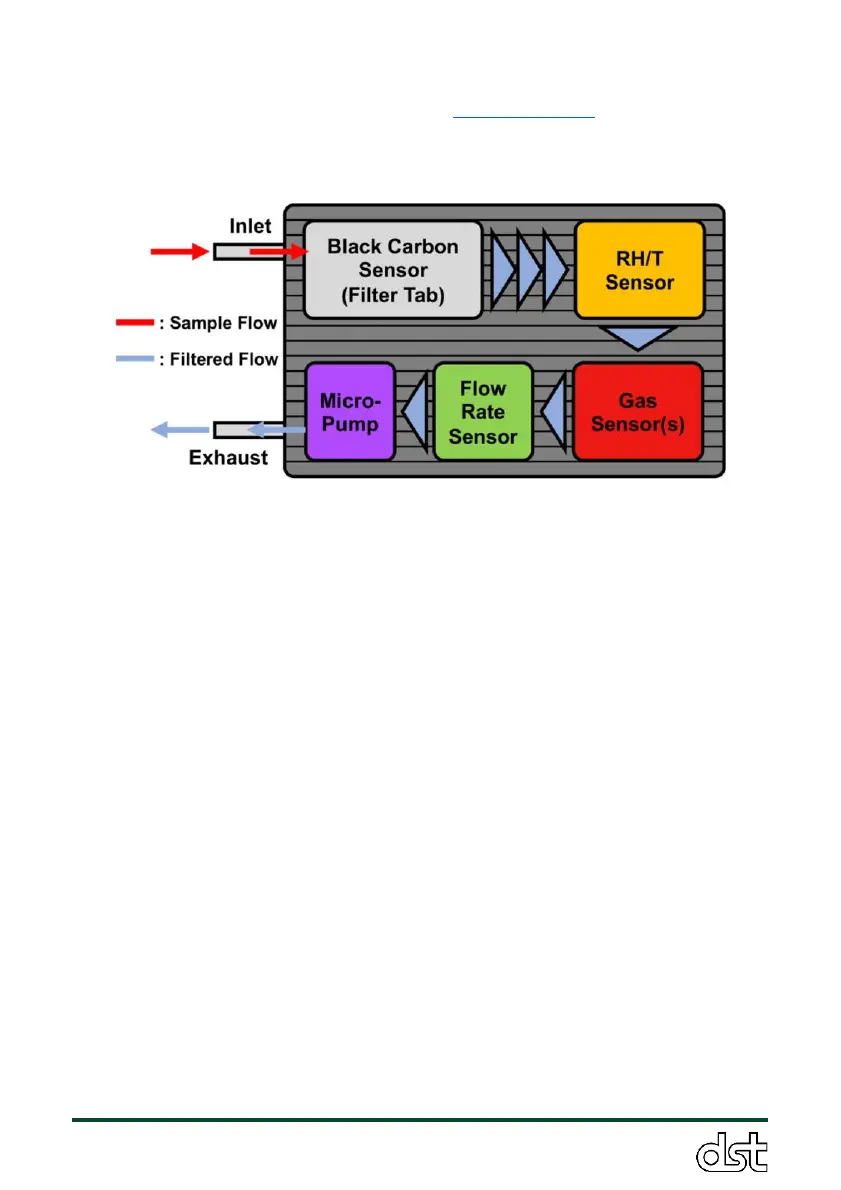
Figure 1. Functional diagram of the ObservAir
The ObservAir is centered around an aerosol absorption photometer
configured to measure concentrations of black carbon (BC). BC is a type
of particulate matter (PM) pollution generated by the incomplete
combustion of fossil fuels or biomass. For most purposes, BC is
functionally defined as the light-absorbing component of PM pollution. The
ObservAir's micropump first draws air into the inlet and through a fibrous
aerosol filter. that is mounted on black supporting material (the
disposable filter tab). As light absorbing PM collects on the fibrous filter,
BC concentrations are calculated in real time. Downstream of the
photometer, a relative humidity and temperature sensor records
environmental sampling conditions, and optional electrochemical cells
measure up to two gaseous pollutants. Air then passes through the flow
rate sensor and is exhausted by the pump.
1.1.1. Aerosol absorption photometer (Black carbon)
A schematic of the ObservAir's aerosol absorption photometer is provided
below. Photodiodes continuously monitor the intensity of 880 nm light
transmitted from an LED source through two aerosol filters. As polluted
air is drawn through the photometer, light absorbing BC accumulates on
the first ‘signal’ filter and the transmitted light intensity attenuates
predictably over time. The filter collection area is 3 mm in diameter. After
the first filter, the air flow passes through a second ‘reference’ filter



 To Next Page