ESAB ES 95i
OPERATION 4-2 Manual 0-5458
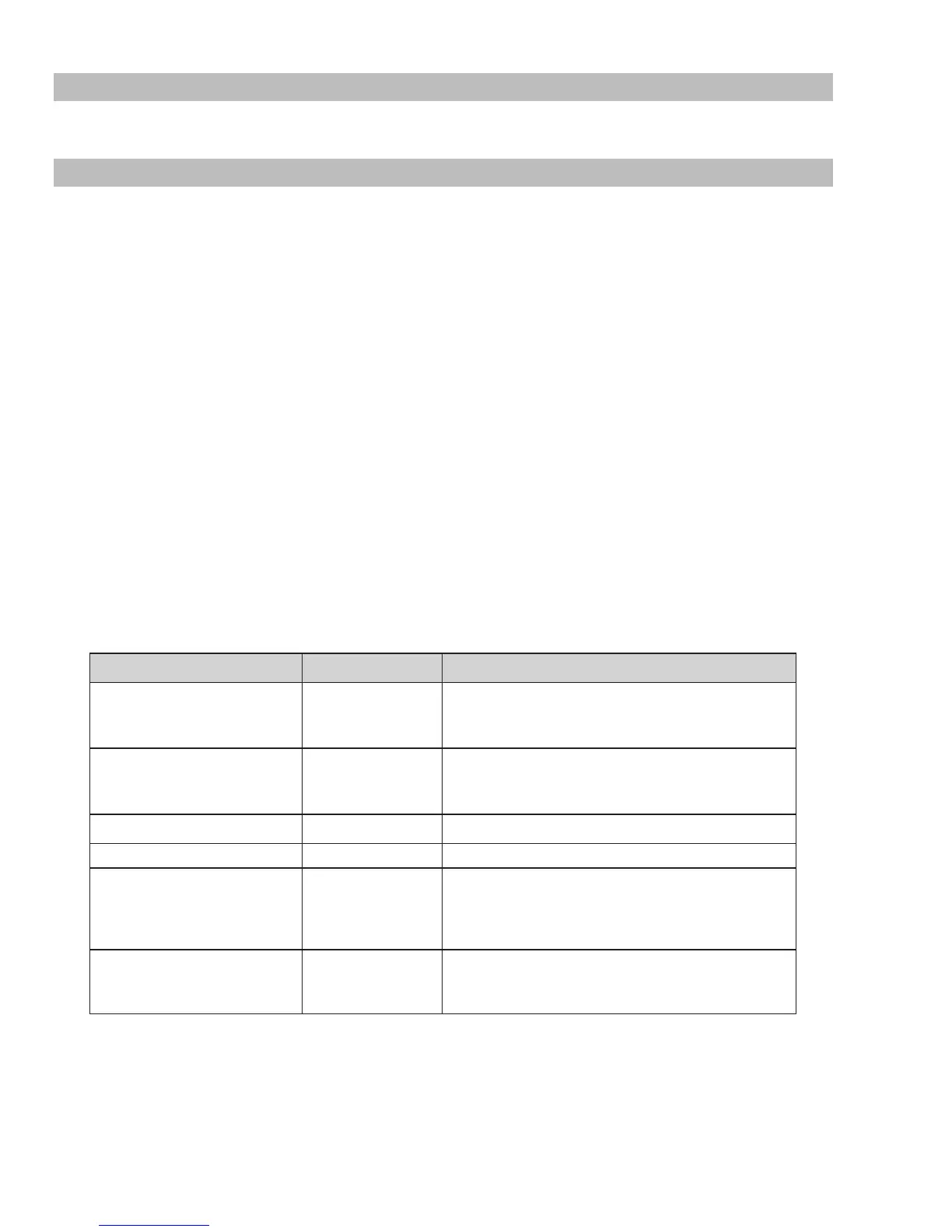
Metal Being Joined Electrode Comments
Mild Steel 6013
Ideal electrodes for all general purpose work, features
include outstanding operator appeal, easy arc starting, and
low spatter.
Mild Steel 7014
All positional eletrode for use on mild and galvanized steel
furniture, plates, fences, gates, piples and tanks, etc. Espe-
cially suitable for vertical-down welding.
Cast Iron 99% Nickel Suitable for joining all cast irons except white cast iron.
Stainless Steel 318L-16 High corrosion resistances. Ideal for dairy work etc.
Copper, Bronze, Etc.
Bronze
5.7 ERCUSI-A
Easy to use electrode for marine fittings, water taps and
valves, water through floats arms, etc. Also for joining cop-
per to steel and for bronze overlays on steel shafts.
Copper, Bronze, Dissimilar Metals,
Crack Resistance, All Hard-to Weld
Jobs
312-16
It will weld most problematic jobs such as springs, shafts,
broken joins, mild steel to stainless and alloy steels. Not
suitable for aluminum.
4.02 SMAW Electrode Polarity
Stick electrodes are generally connected to the "+" Positive Output Terminal and the work lead to the "−" Negative Output Terminal but
if in doubt consult the electrode manufacturers literature for further information.
4.03 Effects of SMAW (Stick) Welding Various Materials
High Tensile and Alloy Steels
The two most prominent effects of welding these steels are the formation of a hardened zone in the weld area, and, if suitable
precautions are not taken, the occurrence in this zone of under-bead cracks. Hardened zone and under-bead cracks in the weld area
may be reduced by using the correct electrodes, preheating, using higher current settings, using larger electrodes sizes, short runs for
larger electrode deposits or tempering in a furnace.
Manganese Steels
The effect on manganese steel of slow cooling from high temperatures is to embrittle it. For this reason it is absolutely essential to keep
manganese steel cool during welding by quenching after each weld or skip welding to distribute the heat.
Cast Iron
Most types of cast iron, except white iron, are weldable. White iron, because of its extreme brittleness, generally cracks when attempts
are made to weld it. Trouble may also be experienced when welding white-heart malleable, due to the porosity caused by gas held in
this type of iron.
Copper and Alloys
The most important factor is the high rate of heat conductivity of copper, making pre-heating of heavy sections necessary to give
proper fusion of weld and base metal.
Types of Electrodes
Arc Welding electrodes are classified into a number of groups depending on their applications. There are a great number of electrodes
used for specialized industrial purposes which are not of particular interest for everyday general work. These include some low
hydrogen types for high tensile steel, cellulose types for welding large diameter pipes, etc The range of electrodes dealt with in this
publication will cover the vast majority of applications likely to be encountered; are all easy to use.



 To Next Page