P a g e | 34
Drive belt tension
Flywheel V belts must be checked for tension and condition. If any belt shows signs
of wear, surface damage, shredding, excessive glazing, or have been stretched to
their limit, they must be replaced. Multiple belt drives must have all belts replaced at
the same time. Belts that are too slack will cause poor cutting performance,
excessive belt and pulley wear.
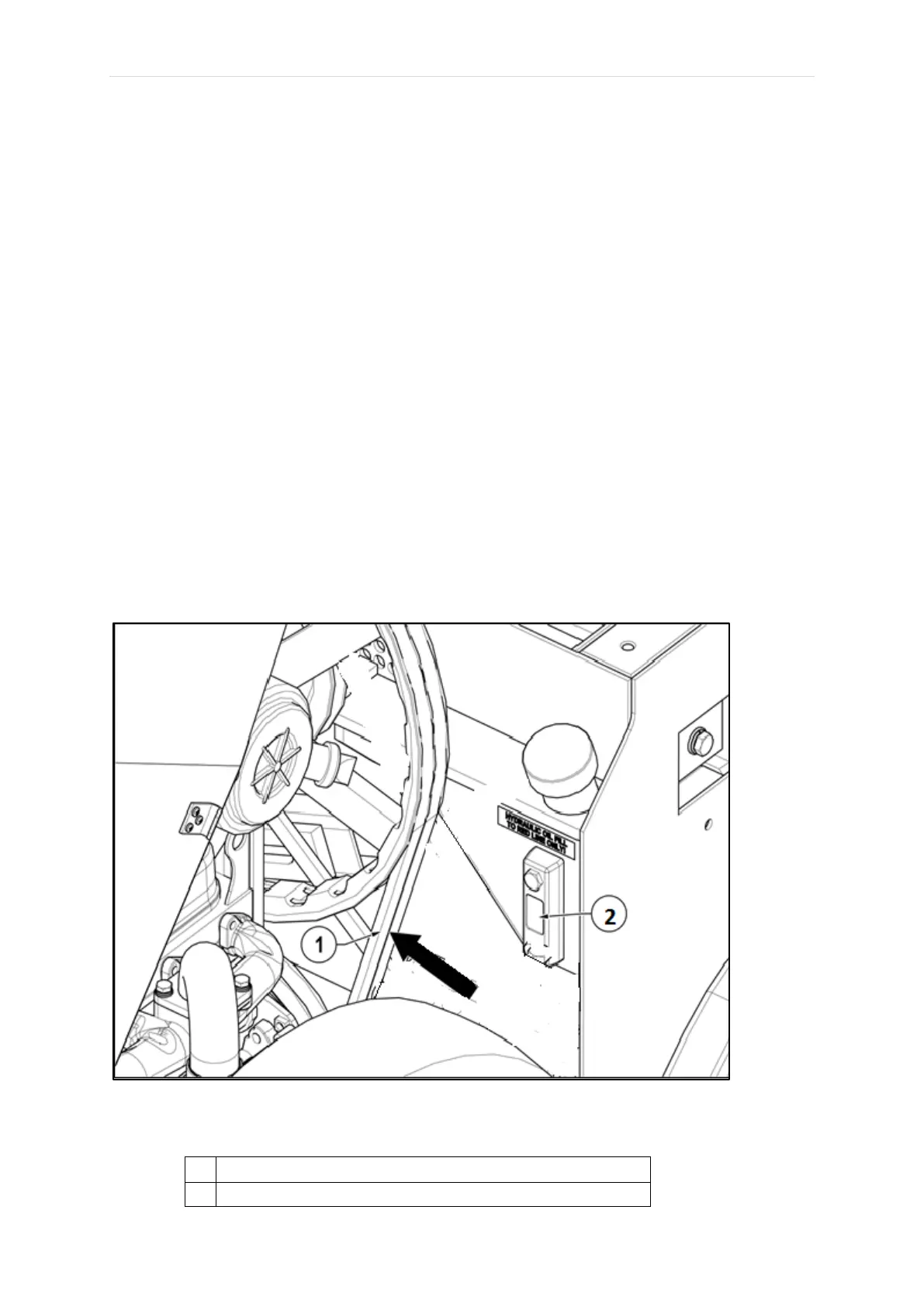
All drive belts are located under the engine cover as shown in Figure 13 and Figure
14 and tension checked at arrows shown in Figure 17. Check and set tension as
follows:
1. Slacken clamp screw(s) or nut.
2. Turn adjuster nut or screw to tension belt until 4.5Kg force at the belt longest
centre span deflects by 6mm (see Figure 17). Can be approximated by firmly
gripping belt between finger and thumb and twisting. The belt should not be
able to be rotated more than 90°.
3. Tighten all lock nuts, nuts and clamp screws.
4. Run machine and test.
5. Check belt tension.
Figure 17
FLYWHEEL DRIVE BELTS - CHECK TENSION HERE
HYDRAULIC OIL LEVEL IN SIGHT GLASS


 To Next Page