12. Maintenance and upkeep
141
1
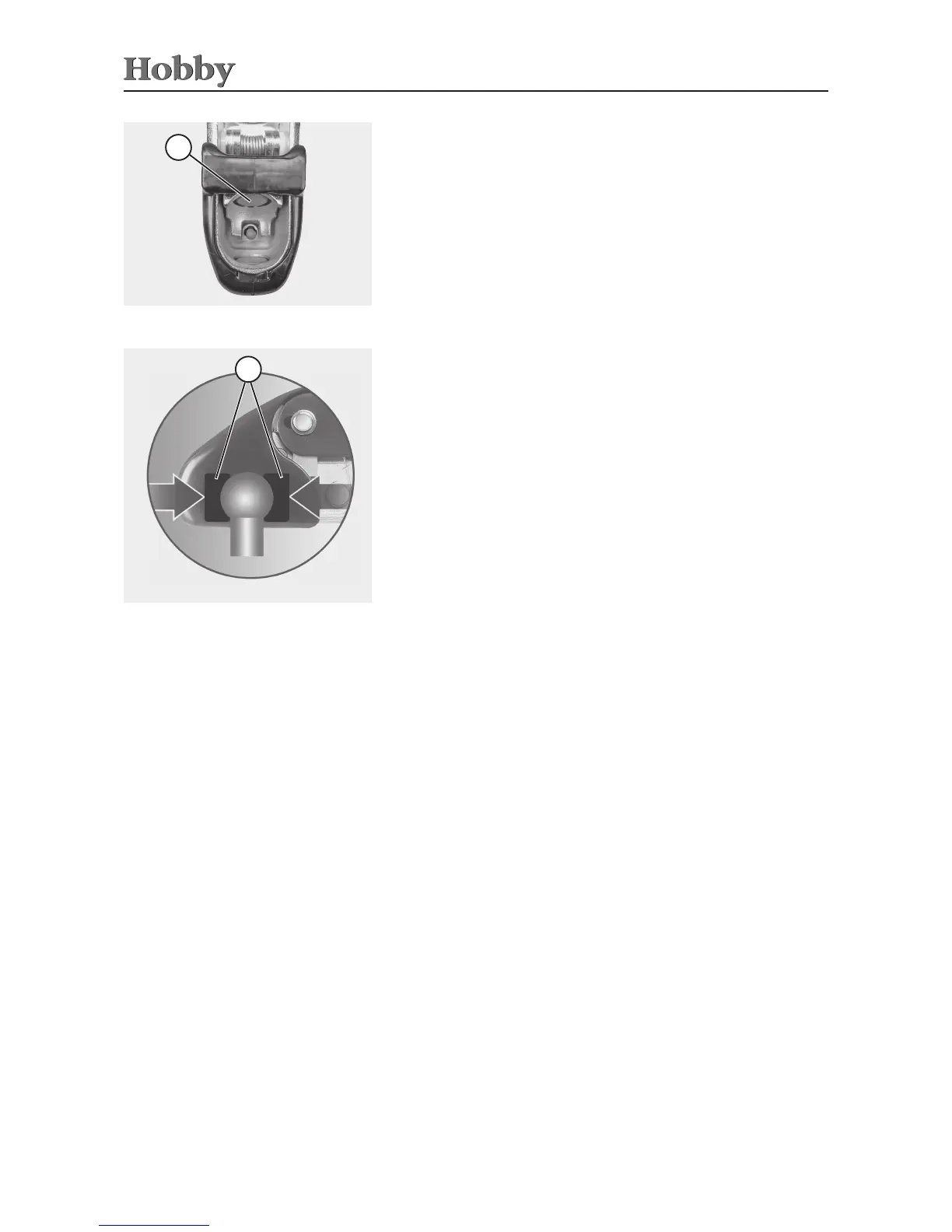
Changing the friction lining
It is very easy to exchange the friction pads
j
when they are
worn out. Messrs. Winterho oer a corresponding set of spare
parts. Please note the detailed instructions for assembly in the
manufacturer's spare part kit.
Noises
Certain noises can occur during the course of the drive; these
noises, however, have no inuence on the operative eectiveness
of the tension ball coupler.
Possible causes of these noises can be:
1. a dacromet-coated coupling ball on the base vehicle.
2. A galvanized or varnished coupling ball on the base vehicle.
3. A damaged, rusty or dirty coupling ball on the base vehicle.
4. dirty friction elements
j
on the tension ball coupler.
5. the towbar or tie rod in the linings of the overrunning equip
ment are running dry.
Hints
For 1., 2. and 3.:
Sand down the surfaces of the coupling ball and clean them with a
thinning solvent or spirit.
for 4:
Clean the surface of the friction elements with sandpaper (200-240
grain) and then clean with petroleum ether or spirit.
for 5:
Use a lubricating nipple to grease the linings. Pull back the shock
absorber and grease the bare towbar.
1
12.3 Brakes
Initial inspection
The brakes must rst be inspected after you have driven 500 km.
Inspections must be documented in the KNOTT service manual by the
authorised specialist who carries out the inspection. A documented
report is just as much a prerequisite for any possible guarantee claims
as is the compliance with the regulations for maintenance and upkeep.
Friction pads
Diagram of friction pads



 To Next Page