EasyManua.ls Logo

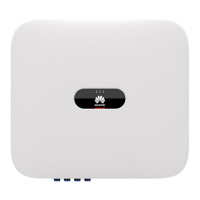
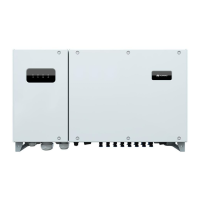
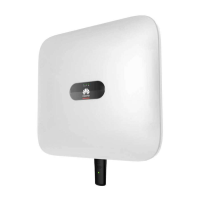
Huawei SUN 2000 Series - User Manual

Huawei SUN 2000 Series
65 pages
Print Icon
To Next Page IconTo Next Page
Loading...
SUN2000-4.95KTL-JPL0
User Manual
Issue
03
Date
2020-06-03
HUAWEI TECHNOLOGIES CO., LTD.

Questions and Answers

  • M
    Michael LamSep 9, 2025
    What does Output DC Component Overhigh mean on Huawei SUN 2000?
    • S
      Shannon LynchSep 9, 2025
      If your Huawei Inverter displays 'Output DC Component Overhigh', it means the DC component of the inverter's output current is too high. The inverter should detect and attempt to correct this automatically. If the alarm occurs frequently, contact your dealer or Huawei technical support for assistance.
  • T
    Thomas RogersAug 23, 2025
    What to do if my Huawei Inverter reports a Grid Loss?
    • S
      Stacey ThomasAug 23, 2025
      If the Huawei Inverter displays a 'Grid Loss' error, it means there's likely a problem with the power grid. The cause may be a power outage, a disconnected AC circuit, or a disabled AC switch. To troubleshoot, first, check the AC voltage. Then, verify that the AC circuit is properly connected and the AC switch is turned on.
  • H
    Heather CampbellAug 25, 2025
    Why is my Huawei SUN 2000 showing a Grid Overvoltage error?
    • G
      gjonesAug 25, 2025
      A 'Grid Overvoltage' error on your Huawei Inverter indicates that the grid voltage is too high. This could be because the voltage exceeds the upper threshold or has remained high for longer than the permitted duration. First, verify if the grid connection voltage is within the acceptable range. If it's consistently too high, contact your local power operator. If you have permission from the power operator, you can adjust the overvoltage protection threshold. Also, check for peak grid voltage exceeding limits.
  • M
    Mr. Marcus ThompsonAug 27, 2025
    What does Grid Undervoltage mean on a Huawei Inverter?
    • S
      Stephanie BowmanAug 27, 2025
      If your Huawei Inverter shows a 'Grid Undervoltage' alarm, it means the grid voltage is too low. This can happen if the voltage falls below the lower threshold, or if low voltage persists longer than specified. If the alarm is occasional, it might be a temporary grid issue, and the inverter should recover automatically. If it happens frequently, check if the grid voltage is within the normal range and contact your local power operator if it's not. If the voltage is normal, you might need to adjust the grid undervoltage protection threshold via the SmartLogger or NMS, with the power operator's consent. Also, check the connection between the AC switch and the output power cable if the problem continues.
  • T
    Thomas ReedAug 27, 2025
    How to fix High String Input Voltage on Huawei Inverter?
    • R
      Richard MedinaAug 28, 2025
      If your Huawei Inverter is showing 'High String Input Voltage', it means the PV array configuration is incorrect. Too many PV modules are connected in series, causing the open-circuit voltage to exceed the inverter's maximum input voltage. To fix this, you should reduce the number of PV modules connected in series until the PV string's open-circuit voltage is within the acceptable range. After correcting the PV array configuration, the alarm should disappear.
  • D
    Dustin IngramAug 29, 2025
    What causes Output Overcurrent in Huawei SUN 2000?
    • N
      Nicholas BrooksAug 29, 2025
      If the Huawei Inverter displays 'Output Overcurrent', it's likely due to a sudden drop in grid voltage or a short circuit, causing the inverter's output current to exceed the limit. The inverter will try to correct this automatically. If the alarm occurs frequently, check for a short circuit in the output. If the problem persists, contact your dealer or Huawei technical support.
  • T
    Timothy YoungSep 18, 2025
    What does Active Islanding mean on my Huawei SUN 2000?
    • L
      lisa23Sep 18, 2025
      If the Huawei Inverter is showing 'Active Islanding', it means the inverter has proactively detected islanding, which occurs when the power grid experiences an AC power outage. Verify that the grid connection voltage of the solar inverter is normal.
  • E
    Eric MillerSep 19, 2025
    What does Passive Islanding mean on my Huawei Inverter?
    • E
      Ernest AllenSep 22, 2025
      If the Huawei Inverter is showing 'Passive Islanding', it means the inverter has passively detected an island grid, which occurs when the power grid experiences an AC power outage. Verify that the grid connection voltage of the solar inverter is normal.
  • M
    Michael McculloughSep 7, 2025
    How to troubleshoot Low Insulation Resistance on Huawei SUN 2000?
    • M
      manuelmoodySep 8, 2025
      If your Huawei Inverter is showing 'Low Insulation Resistance', it indicates a short circuit between the PV array and the ground, or poor insulation due to damp conditions. Check the output impedance of the PV array to ground for shorts or insulation issues and fix them. Ensure the PE cable of the inverter is correctly connected. If the low impedance is due to cloudy or rainy weather, you can adjust the insulation resistance protection settings via the app, SmartLogger, or NMS.
  • J
    Jonathan StantonSep 4, 2025
    What does Abnormal Residual Current mean on my Huawei SUN 2000 Inverter?
    • S
      Sabrina MooreSep 5, 2025
      If your Huawei Inverter displays 'Abnormal Residual Current', it suggests that the insulation impedance on the input side to PE has decreased during operation. If the alarm occurs occasionally, it might be a temporary issue in the external circuit, and the inverter should recover automatically. However, if it happens frequently or persists, check if the impedance between the PV string and the ground is too low.

Summary

About This Document

Purpose

Describes the document's scope and objective.

Intended Audience

Identifies the target readers for this manual.

Symbol Conventions

Explains the meaning of various safety symbols used.

Change History

Issue 03 (2020-06-03)

Details the changes introduced in the current document issue.

Issue 02 (2020-02-06)

Lists modifications made in the previous document version.

Issue 01 (2019-11-01)

Notes the initial release for first office application.

1 Safety Information

1.1 General Safety

Covers fundamental safety precautions and general requirements for operation.

1.2 Personnel Requirements

Specifies the necessary qualifications and training for personnel.

1.3 Electrical Safety

Details critical safety measures for grounding and power connections.

1.4 Installation Environment Requirements

Outlines the conditions for a safe and effective installation environment.

1.5 Mechanical Safety

Addresses safety procedures related to physical handling and tools.

1.6 Commissioning

Notes on initial parameter setup for safe operation.

1.7 Maintenance and Replacement

Safety guidelines for performing maintenance and replacing components.

2 Product Overview

2.1 Overview

Provides a general introduction to the solar inverter's function and purpose.

2.2 Appearance

Describes the physical design, components, and indicators of the inverter.

2.3 Label Description

Explains the meaning and importance of various labels on the device.

2.4 Working Principle

Details the operational schematic and working modes of the inverter.

3 Storage

Storage

Specifies the conditions and procedures for storing the solar inverter.

4 Installation

4.1 Checking Before Installation

Procedures for verifying packaging and contents before installation.

4.2 Tools and Instruments

Lists all necessary tools, instruments, and personal protective equipment.

4.3 Determining the Installation Position

Covers basic requirements and considerations for selecting the installation site.

4.4 Installing the Mounting Bracket

Step-by-step guide for securely mounting the bracket.

4.5 Installing a Solar Inverter

Instructions for physically attaching the solar inverter to the mounting bracket.

5 Electrical Connections

Precautions

General safety warnings and guidelines before making electrical connections.

5.1 Preparing Cables

Details the types, specifications, and preparation of necessary cables.

5.2 Connecting a PE Cable

Instructions for establishing the protective earth (PE) connection.

5.3 Connecting an AC Output Power Cable

Procedure for connecting the AC power output cable.

5.4 Installing DC Input Power Cables

Steps for connecting the DC input power cables from PV strings.

5.5 Connecting a Signal Cable

Guide for connecting communication cables for monitoring and control.

6 System Commissioning

6.1 Checking Before Power-On

A checklist of items to verify before initial system power-up.

6.2 Powering On the System

Step-by-step instructions for starting the solar inverter system.

6.3 Powering Off the System

Procedure for safely shutting down the solar inverter system.

7 System Maintenance

7.1 Routine Maintenance

Outlines the schedule and methods for regular system upkeep.

7.2 Troubleshooting

Provides solutions for common alarms and system issues.

8 Handling a Solar Inverter

8.1 Removing a Solar Inverter

Steps for safely uninstalling the inverter from its mounting.

8.2 Packing a Solar Inverter

Instructions on how to properly pack the inverter for transport or storage.

8.3 Disposing of a Solar Inverter

Guidelines for environmentally responsible disposal of the equipment.

A Technical Specifications

Efficiency

Details the efficiency ratings of the solar inverter.

Input

Specifies the electrical input parameters and ranges.

Output

Details the electrical output parameters and ratings.

Protection

Lists the various protection mechanisms integrated into the inverter.

Communication

Describes the communication interfaces and capabilities.

Common Parameters

Summarizes general physical and environmental specifications.

B Grid Code

Grid codes

Lists and describes the grid codes supported by the inverter.

C Restoring the Factory Defaults of a Solar Inverter

Parameters that cannot be restored to factory defaults by changing the grid code

Identifies parameters requiring manual reset after factory default restoration.

D Acronyms and Abbreviations

Acronyms and Abbreviations

Provides a glossary of technical terms and abbreviations used in the manual.

Huawei SUN 2000 Series Specifications

General IconGeneral
TypeString Inverter
TopologyTransformerless
Cooling MethodNatural convection
Rated Output Power3-10 kW
MPPT2
CommunicationRS485
Output Power3-10 kW
Output Voltage230 V
Output Frequency50 Hz / 60 Hz
MPPT Trackers2
Operating Temperature-25 °C ~ +60 °C

Related product manuals