HANDLING AND SERVICING / CLEANING AND CARE 8-13
CHANGE A0 ICON A5-B / PILOT’S OPERATING HANDBOOK
CHAPTER 8
Level 2
Aircraft used mainly in fresh water with occasional salt water
use and stored in a periodically humid environment
Level 3
Aircraft used mainly in salty or brackish water and stored near
an ocean or in a hot, humid environment
Overall Exterior Rinse
Rinse entire exterior of the aircraft with fresh water from a garden
hose set to low pressure.
CAUTION: Do not use a high pressure sprayer. This
could force water into bearings or pry apart
joints.
CAUTION: Do not direct water into the pitot tube or
static and AOA ports.
1. Start at the top of aircraft and work down. Include areas above
the normal waterline and spray line like the horizontal tail,
which can be exposed to salt mist.
2. If salt water may have entered the engine inlet, direct water
into the engine inlet and through the oil cooler and radiator.
This water will drain out the cowling outlet and through the
drain at the low point of the firewall.
3. Rinse all exposed metal parts (nose, main landing gear, control
surface hinges, and water rudder) a second time.
4. (Optional) Dry the aircraft. A terry towel, micro cloth, or
chamois can be used in addition to air drying.
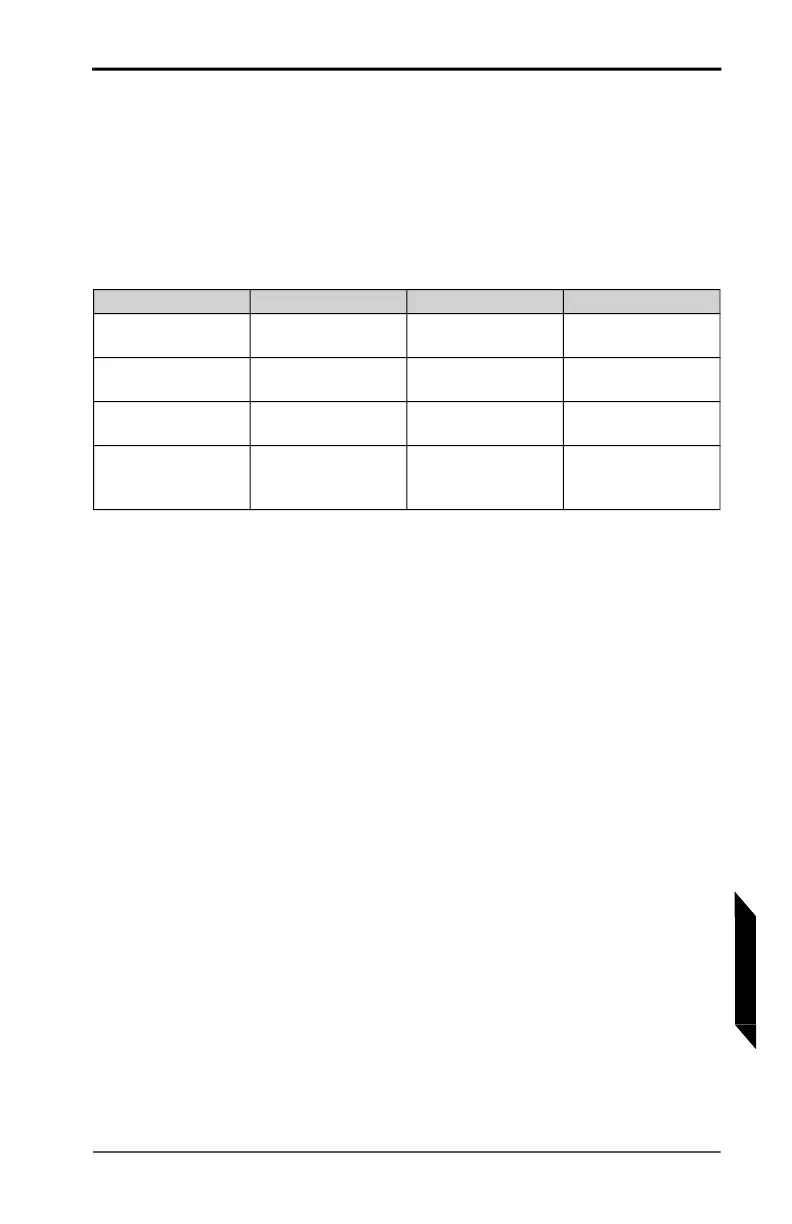
Level 1 Level 2 Level 3
“Overall Exterior
Rinse” on page 8-13
Normal aircraft
wash cycle
End of each day of
salt water ops
End of each day of
salt water ops
“Interior Rinse” on
page 8-14
Not Required
End of each month
of salt water ops
End of each week
of salt water ops
“Salt-Away Rinse”
on page 8-14
Not Required Not Required
Optional for severe
conditions
“Corrosion
Inhibitor” on page
8-14
1-2 times per year Each month
End of each week
of salt water ops



 To Next Page