Moisture Calibration
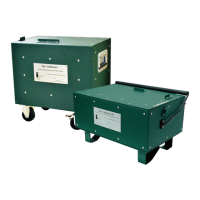
The ValiDator is engineered to provide moisture verification and calibration in
pcf or kg/m³. The nuclear gauge moisture calibration process differs from
density in that the moisture calibration is a straight line and rarely will need to be
re-calibrated. However, the VeriFier software provides the capability for the
moisture calibration of the gauge.
*Density Gauge: A gauge qualified for evaluation should meet the requirements
below:
Gauge base should be free of asphalt or debris that would cause the
unit to rock,
Pass the manufacturers recommended statistical stability and drift
tests, and
Pass a standard count at the evaluation site.
No other nuclear gauges should be within thirty (30) feet.
Make sure proper recommended maintenance steps are taken prior to
calibrating gauges.
**Stable Surface:
Be at least three (3) feet (1M) from any vertical structure.
Dry and level,
Have a density of greater than100pcf (1602 Kg/m3).
Parking lots and construction sites are ideal surfaces for testing.
Unacceptable surfaces would be as follows: trailer floors, truck tailgates, second-
story floors, wet surfaces with standing water or carpeted floors.
Verification Procedures
Gauge Evaluation
The gauge base should be free of dirt and debris, no other nuclear gauges
near-by, 3 ft. (1 m) from any vertical structure, and on a stable surface.
Pass the manufacturers statistical stability test or ASTM and AASHTO
recommendations in D6938, D7759 and/or AASHTO T310.
Complete and pass a four (4) minute standard count in the area where
verification tests are being conducted.
Refer to the gauge operator’s manual for gauge cleaning, routine maintenance
and evaluation procedures.


 To Next Page