Where A, B and C are gauge parameters, CR is the count ratio and D is the
material density. The A, B and C values are commonly known as calibration
constants. In the field when a count is collected on the test material, the
resulting wet density displayed on the screen is calculated by:
3-Block Method or 5-Block Method:
Presently there are no authorities that certify nuclear gauge calibration.
Therefore, gauge manufacturers and numerous other calibration facilities use a
different number of blocks to facilitate the calibration process. The Validation
and Calibration process simulate counts to replicate the number of blocks used
in the most recent calibration. CPN, InstroTek and Troxler use the Three-block
method and Humboldt uses the Five-block method.
Moisture Calibration
Gauge moisture calibration is performed by utilizing at least two blocks of known
hydrogen density covering a range of moisture in the construction materials.
The two blocks routinely used for moisture calibration are magnesium (0 lb/ft³)
and a combination block of magnesium and polyethylene (~ 35 lb/ft³, ~560
kg/m³). The gauge standard count, along with the counts on these blocks, is
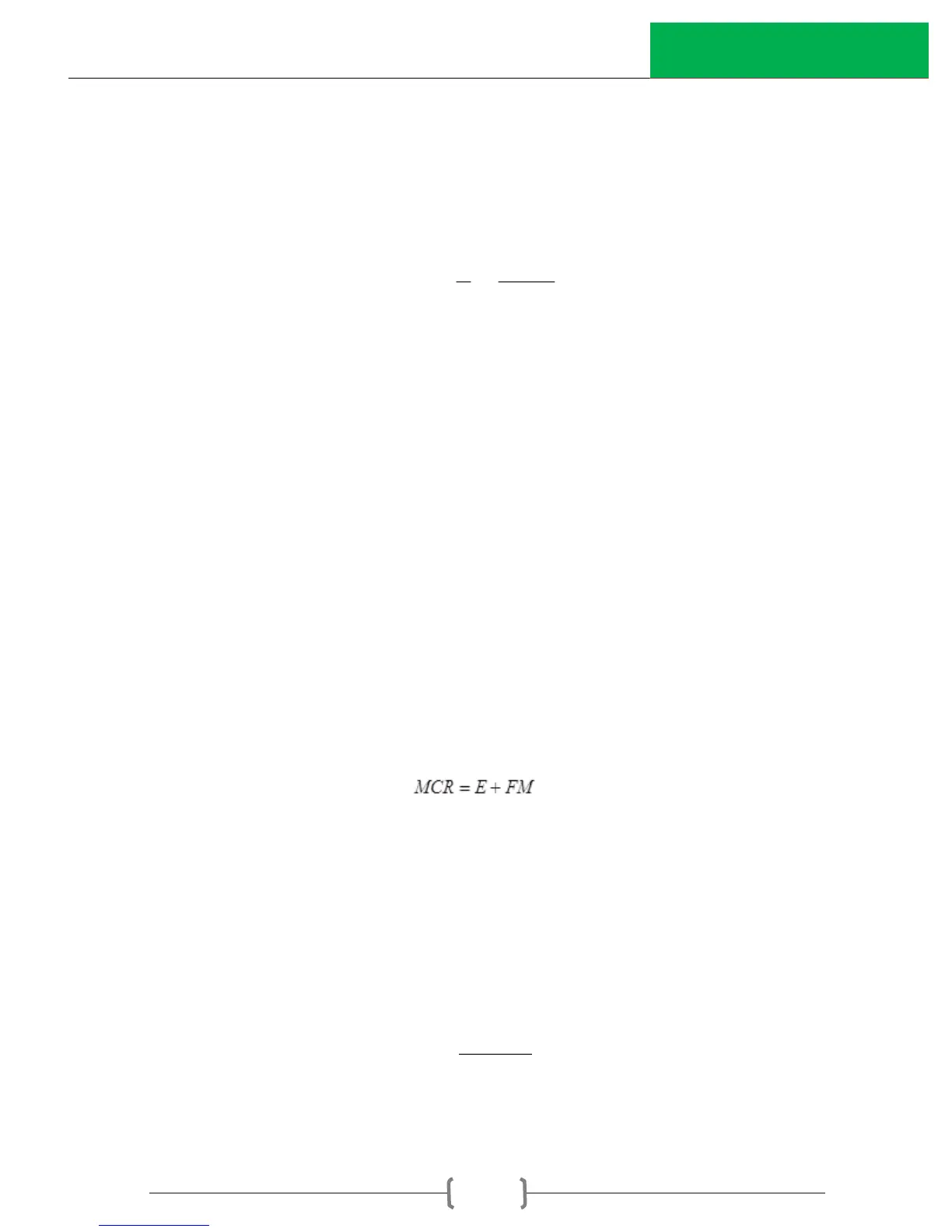
used in a linear equation such as:
To calculate the parameters E (intercept) and F (slope), MCR is the count ratio,
which is the ratio of the measured counts and the daily reference standard
count. The daily reference standard count is performed on a high-density
polyethylene block provided with each gauge. M is the test material moisture
content. The E and F parameters are placed in the gauge memory. They are
then used in the field with the count ratio obtained on the test material to
calculate the moisture content from the equation.


 To Next Page