41
vehicle OperatiOn
cAMpsite hook-up
Refer to Electrical System section before connecting the shore line power cord (when
using full hook-up) OR before starting the generator (if so equipped) or operating the
vehicle on 12-volt power when dry camping.
Refer to Fuel & LP System section before using the LP system. Open the LP gas tank
valve (if so equipped) slowly. There may be air in the lines and ve to thirty seconds
of time is needed to bleed air before LP vapor lls the lines.
Refer to Plumbing Systems section before connecting the fresh water supply or turning
ON the water pump or water heater.
When using full hook-up, connect the sewer hose to the campsite sewer hook-up.
If applicable, start the refrigerator and the cooling or heating system.
bAckinG up
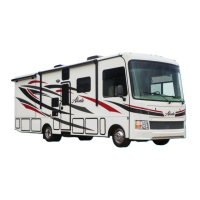
When parking your motor home, pick a location that is level and back in carefully. Check
to ensure there are no obstacles in your path and that you have plenty of vehicle clearance.
Check for low-hanging tree limbs, posts, large rocks or other obstacles.
Try to choose a parking site that is on the driver’s side, so you can see what the rear of the
motor home is doing. With the site on the passenger side, you would be backing into the site
on your blind side. When you determine the site conditions are satisfactory, maneuver the
motor home into position for backing up into the site space and follow the instructions listed
for backing up the motor home in the Chassis Guide.
Objects in the camera view are closer than they appear. When backing up,
proceed cautiously and be prepared to stop.
NOTE: Back up the motor home slowly using the outside rearview
mirrors, along with the rear and side view cameras, as aides. Have
another person outside the motor home assist you until the motor
home is parked in the desired position.
NOTE: For extended dry camping, management of all your re-
sources is essential. Check your battery levels and conserve battery
power, use it sparingly.




 To Next Page