EasyManua.ls Logo

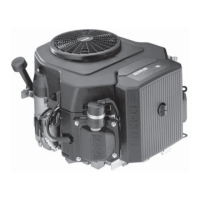
Kohler Command CV17 - User Manual

Kohler Command CV17
217 pages
Print Icon
To Next Page IconTo Next Page
Loading...
SERVICE MANUAL
VERTICAL CRANKSHAFT
COMMAND CV17-750

Table of Contents

Questions and Answers

  • R
    Robert MasseyAug 25, 2025
    Why does my Kohler Command CV17 start but not keep running?
    • C
      Chad HopkinsAug 25, 2025
      If your Kohler Engine starts but doesn't keep running, the issue might be a faulty carburetor (replace it) or a faulty cylinder head gasket (replace it). Also, check for misadjusted choke or throttle controls (adjust or repair), a fuel pump malfunction (repair or replace the fuel pump), or an intake system leak (repair the leak). Loose wires intermittently grounding the ignition kill circuit can also cause this issue (secure loose wires and connections). Ensure you are using fresh, quality fuel and that the fuel tank cap vent isn't restricted (clear the vent restriction).
  • J
    John MillerSep 6, 2025
    What to do if Kohler Command CV17 will not crank?
    • T
      Tracy PalmerSep 6, 2025
      If your Kohler Engine will not crank, the battery might be discharged (recharge or replace it). Other possible causes include a faulty electric starter or solenoid (replace them), faulty key or ignition switch (replace them), or an engaged or faulty interlock switch (check and repair if needed). Additionally, loose wires grounding the ignition kill circuit (secure them), pawls not engaging in the drive cup (repair or replace pawls), or seized internal engine components (repair them) can prevent the engine from cranking.
  • C
    christianjosephSep 4, 2025
    Why does my Kohler Command CV17 Engine start hard?
    • J
      Jennifer JacobsonSep 4, 2025
      If your Kohler Engine starts hard, it could be due to a clogged fuel line or filter (clear it). Other potential causes include engine overheating (address the issue), a faulty ACR mechanism (repair it), or misadjusted choke or throttle controls (adjust or repair them). Also, check for faulty spark plugs (replace them), a sheared flywheel key (replace it), or a fuel pump malfunction (repair or replace the pump). Additionally, an engaged or faulty interlock switch (check and repair if needed), loose wires grounding the ignition kill circuit (secure them), low compression (perform a test and repair), or poor fuel quality (replace with fresh fuel) can contribute to hard starting, as well as weak spark (address the weak spark issue).
  • M
    Monica McdonaldSep 3, 2025
    Why is my Kohler Command CV17 Engine losing power?
    • C
      Chase JohnsonSep 3, 2025
      If your Kohler Engine loses power, it could be due to a dirty air cleaner element (clean or replace it), overheating (address the issue), or excessive engine load (reduce the load). Other possible causes include a restricted exhaust (clear it), faulty spark plugs (replace them), high crankcase oil level (reduce it), or an incorrect governor setting (adjust it). Furthermore, a low battery (recharge or replace it), low compression (perform a compression test and repair), low crankcase oil level (add oil), or poor fuel quality (replace with fresh fuel) can also be responsible.
  • M
    matthewbeckerSep 1, 2025
    Why is my Kohler Command CV17 using an excessive amount of oil?
    • J
      Julie MillsSep 1, 2025
      If your Kohler Engine uses an excessive amount of oil, check for loose or improperly torqued fasteners, a blown head gasket (possibly due to overheating), or a broken breather reed. Other potential causes include a clogged, broken, or inoperative crankcase breather, an overfilled crankcase, or incorrect oil viscosity/type. Worn cylinder bore, piston rings, or valve stems/guides could also be the reason.
  • C
    Cindy NavarroAug 31, 2025
    Why does my Kohler Engine run but misses?
    • M
      melanie40Aug 31, 2025
      If your Kohler Engine runs but misses, it could be due to an incorrectly adjusted carburetor, an overheated engine, or faulty spark plugs. Other potential causes include faulty or improperly gapped ignition module(s), an incorrect crankshaft position sensor air gap, or an engaged or faulty interlock switch. Loose wires grounding the ignition kill circuit, poor fuel quality, or disconnected or loose spark plug leads could also be to blame.
  • J
    John AyersAug 29, 2025
    What to do if Kohler Command CV17 Engine starts but does not keep running?
    • K
      Kyle HallAug 29, 2025
      If your Kohler Engine starts but doesn't keep running, a faulty carburetor or cylinder head gasket could be the issue. Also, check for faulty or misadjusted choke or throttle controls, a malfunctioning fuel pump with a clogged or leaking vacuum hose, or an intake system leak. Loose wires intermittently grounding the ignition kill circuit, poor fuel quality, or a restricted fuel tank cap vent might also be to blame.
  • J
    Jared MayoAug 27, 2025
    Why is my Kohler Command CV17 Engine so hard to start?
    • J
      Jeremy AtkinsonAug 28, 2025
      If your Kohler Engine starts hard, you might have a clogged fuel line or fuel filter. Other potential causes include an overheated engine, a faulty ACR mechanism, or misadjusted choke or throttle controls. Also, check for faulty spark plugs, a sheared flywheel key, or a malfunctioning fuel pump with a clogged or leaking vacuum hose. An engaged or faulty interlock switch, loose wires grounding the ignition kill circuit, low compression, or poor fuel quality could also be to blame. Finally, consider a weak spark as a possibility.
  • S
    Stephen GomezAug 26, 2025
    Why does my Kohler Command CV17 use an excessive amount of oil?
    • L
      ldavisAug 27, 2025
      If your Kohler Engine uses an excessive amount of oil, it could be due to loose or improperly torqued fasteners (tighten them), a blown head gasket or overheating (replace the head gasket), or a broken breather reed (replace it). Other possible causes include a clogged, broken, or inoperative crankcase breather (repair or replace it), an overfilled crankcase (drain excess oil), or using the incorrect oil viscosity or type (use the correct one). Additionally, worn cylinder bore (repair or replace), worn or broken piston rings (repair or replace), or worn valve stems or guides (repair or replace) can contribute to excessive oil consumption.

Summary

Section 1 Safety and General Information

Safety Precautions

General safety instructions and warnings for engine operation and maintenance.

Engine Identification Numbers

Explanation of how to identify engine models, specifications, and serial numbers.

Oil Recommendations

Guidelines for selecting the correct type and weight of engine oil based on temperature.

Periodic Maintenance Instructions

Schedule of required maintenance procedures for engine longevity.

Storage

Procedure for storing the engine properly for extended periods.

Section 2 Tools & Aids

Separate Tool Suppliers

List of suppliers for specialized tools and their contact information.

Tools

Description and part numbers for essential tools for engine service.

Aids

List of lubricants and sealants recommended for engine assembly.

Special Tools You Can Make

Instructions for fabricating specific holding tools for engine service.

Section 3 Troubleshooting

Troubleshooting Guide

Common engine problems and their potential causes and solutions.

External Engine Inspection

Procedure for inspecting the engine's external condition before disassembly.

Basic Engine Tests

Tests to diagnose engine issues, including crankcase vacuum.

Cylinder Leakdown Test

Procedure for testing cylinder sealing using an external air source.

Section 4 Air Cleaner and Air Intake System

Air Cleaners - General

Description of engine air cleaner types and their importance.

Precleaner Service

Procedure for cleaning and oiling the precleaner element.

Paper Element Service

Procedure for replacing the paper air cleaner element.

Air Cleaner Components

Checklist for inspecting air cleaner components after servicing.

Heavy-Duty Air Cleaner

Description and service procedure for heavy-duty air cleaner systems.

Air Intake;Cooling System

Ensuring proper engine cooling by keeping external surfaces clean.

Section 5 Fuel System and Governor

Description

Overview of fuel and governor systems used in Command engines.

Fuel Recommendations

Guidelines for selecting and storing gasoline for optimal engine performance.

Fuel System Components

List of typical carbureted fuel system components.

Fuel Filter

Information on inspecting and replacing the in-line fuel filter.

Fuel System Tests

Tests to diagnose potential problems within the fuel system.

Fuel Pump

Operation, performance, and replacement procedures for the fuel pump.

Carburetor Adjustments (CV17-740)

Procedure for adjusting idle fuel and speed on CV17-740 carburetors.

Governor

General explanation of the centrifugal flyweight mechanical governor.

Sensitivity Adjustment

Adjusting governor sensitivity by repositioning the governor spring.

High Speed (RPM) Adjustment

Procedure for adjusting the engine's high speed RPM setting.

Section 5 B Electronic Fuel Injection (EFI) Fuel System

Initial Starting;Priming Procedure

Procedure to purge air from the EFI system before initial start-up.

EFI Fuel System Components

List of principal components in the Electronic Fuel Injection system.

Operation

Explanation of how the EFI system manages fuel and ignition for optimal performance.

Important Service Notes!

Essential cleanliness and handling precautions for EFI system servicing.

Electronic Control Unit (ECU)

Description and function of the Engine Control Unit as the system's computer.

Engine Speed Sensor

Function and testing procedure for the sensor that monitors crankshaft RPM.

Throttle Position Sensor (TPS)

Function and testing procedure for the sensor indicating throttle plate angle.

TPS Initialization Procedure

Procedure to re-establish the relationship between TPS and ECU after changes.

Fuel Pump

Description of electric fuel pump styles and general operation.

Fuel Pressure Regulator

Function and service procedures for maintaining system fuel pressure.

Fuel Filter

Information on the high-volume, high-pressure, in-line fuel filter.

Fuel Rail

Description of the fuel rail assembly feeding fuel to injectors.

Throttle Body;Intake Manifold Assembly

Description of the assembly that regulates combustion airflow.

Idle Speed Adjustment (RPM)

Procedure for adjusting the engine's standard idle speed setting.

Initial Governor Adjustment

Critical procedures for checking and adjusting governor and throttle linkage.

Troubleshooting Guide

Guide to diagnosing common engine problems with EFI systems.

Electrical System

Testing procedures for electrical components within the EFI system.

Fuel System

Quick test to verify EFI fuel system operation.

Fault Codes

Explanation of diagnostic codes and how they are accessed via the MIL.

Troubleshooting Flow Chart

Alternative method for troubleshooting the EFI system using a flow chart.

Section 6 Lubrication System

General

Description of the full pressure lubrication system and oil pump.

Oil Recommendations

Guidelines for selecting proper oil type and weight based on air temperature.

Checking Oil Level

Procedure for checking and maintaining the proper oil level in the crankcase.

Changing Oil and Oil Filter

Procedure for changing engine oil and oil filter at recommended intervals.

Service Oil Cooler

Inspection and cleaning procedures for crankcase and blower housing mounted oil coolers.

Oil Sentry

Operation, installation, and testing of the optional oil pressure monitor switch.

Section 7 Retractable Starter

WARNING: Spring Under Tension!

Crucial safety warning regarding spring tension in retractable starters.

To Remove Starter

Steps for removing the starter motor from the blower housing.

Rope Replacement

Procedure for replacing the starter rope without full disassembly.

Pawls (Dogs) Replacement

Procedure for replacing pawls, including disassembly and reassembly steps.

Inspection and Service

Inspection of starter components for wear or damage.

Reassembly

Step-by-step instructions for reassembling the retractable starter.

Section 8 Electrical System and Components

Spark Plugs

Information on engine spark plugs, including type, gap, and service.

Spark Plug Service

Procedure for removing, checking, and installing spark plugs.

Inspection

How to inspect spark plugs for indications of engine condition.

Battery

General information on 12-volt batteries, recommendations, and maintenance.

Battery Test

Procedure for testing battery voltage using a DC voltmeter.

Electronic CD Ignition Systems

Overview of standard and SMART-SPARK™ CD ignition systems.

Operation of CD Ignition Systems

Explanation of how capacitive discharge ignition systems function.

Troubleshooting CD Ignition Systems

Information for troubleshooting CD ignition system problems.

Test Procedure for SMART-SPARK Ignition Systems

Procedures for diagnosing ignition problems on SMART-SPARK™ engines.

Battery Charging System

Guidelines for avoiding damage to electrical system components.

Troubleshooting Guide

Guide for diagnosing problems in 15/20/25 Amp battery charging systems.

Electric Starting Motors

Information on inertia drive and solenoid shift electric starter motors.

Starting Motor Precautions

Important precautions to prevent starter damage during operation.

Solenoid Test Procedure

Step-by-step procedures for testing solenoid pull-in coil and contact continuity.

Section 9 Disassembly

WARNING: Accidental Starts!

Critical safety warning regarding engine disabling before working.

General

Instructions for cleaning parts thoroughly before inspection.

Typical Disassembly Sequence

Suggested sequence for complete engine disassembly.

Disconnect Spark Plug Leads

Procedure for disconnecting spark plug leads safely.

Shut Off Fuel Supply

Procedure for safely shutting off and draining the fuel supply.

Drain Oil From Crankcase and Remove Oil Filter

Steps for draining engine oil and removing the oil filter.

Remove Oil Cooler

Procedures for removing crankcase and blower housing mounted oil coolers.

Remove Muffler

Procedure for removing the engine muffler and exhaust system.

Remove Air Cleaner Assembly

Steps for removing standard and commercial mower air cleaner assemblies.

Heavy Duty Air Cleaner

Procedure for removing heavy-duty air cleaner components.

Remove Control Panel (If So Equipped)

Steps for removing the engine control panel.

Remove Fuel Pump

Procedure for safely disconnecting and removing the fuel pump.

Remove Throttle Controls

Steps for removing throttle control brackets and linkages.

Remove External Governor Controls

Procedure for removing governor lever and external controls.

Remove Carburetor

Procedure for safely disconnecting and removing the carburetor.

Remove Electric Starter Motor

Steps for disconnecting and removing the electric starter motor.

Remove Outer Baffles and Blower Housing

Procedure for removing blower housing and outer baffles.

Remove Oil Sentry

Procedure for disconnecting and removing the Oil Sentry™ switch.

Remove Inner Baffles and Breather Cover

Steps for removing inner baffles and breather cover.

Remove Valve Covers

Procedure for removing valve covers, noting differences in designs.

Remove Ignition Modules

Steps for disconnecting and removing ignition modules.

Remove Intake Manifold

Procedure for removing the intake manifold and associated gaskets.

Remove Spark Plugs

Steps for removing spark plugs from the cylinder heads.

Remove Cylinder Heads and Hydraulic Lifters

Procedure for removing cylinder heads and hydraulic lifters.

Disassemble Cylinder Heads

Steps for disassembling cylinder heads, including rocker arms.

Remove Grass Screen and Fan

Procedure for removing plastic or metal grass screens and the fan.

Remove Flywheel

Procedure for removing the flywheel using a puller and strap wrench.

Remove Stator and Backing Plates

Steps for removing stator and associated backing plates.

Remove Oil Pan Assembly

Procedure for removing the oil pan assembly from the crankcase.

Remove Governor Cross Shaft

Steps for removing the governor cross shaft and its retainer.

Remove Connecting Rods with Pistons and Rings

Procedure for removing connecting rod and piston assemblies.

Remove Crankshaft

Procedure for carefully removing the crankshaft from the crankcase.

Remove Flywheel End Oil Seal

Procedure for removing the oil seal from the crankcase.

Section 10 Inspection and Reconditioning

Clean all parts thoroughly

Instructions for cleaning engine parts for accurate inspection.

Automatic Compression Release (ACR)

Operation of the ACR mechanism for easier starting.

Camshaft

Inspection and service procedures for the camshaft.

Crankshaft

Inspection and service procedures for the crankshaft.

Inspect the crankshaft bearing surfaces

Checking bearing surfaces for wear and measuring clearances.

Inspect the crankshaft keyways

Checking crankshaft keyways for wear or damage.

Inspect the crankpin for score marks

Procedure for inspecting the crankpin and addressing wear.

Crankcase

Inspection and service procedures for the crankcase cylinder bore.

Honing

Procedures for honing the cylinder bore to specified tolerances.

Clean Cylinder Bore After Honing

Critical cleaning procedures for cylinder bores after machining.

Measuring Piston-to-Bore Clearance

Procedure for accurately measuring piston-to-bore clearance.

Flywheel

Inspection of the flywheel for cracks and keyway damage.

Cylinder Head and Valves

Inspection and service of cylinder heads, valves, and valve seats.

Carefully inspect the valve mechanism parts

Inspection of valve springs, seats, and stem-to-guide clearance.

Pistons and Rings

Inspection of pistons and rings for wear, damage, and proper installation.

Install New Piston Rings

Procedure for correctly installing new piston rings.

Connecting Rods

Inspection and service of connecting rods for wear and clearance.

Hydraulic Lifters

Inspection and 'bleeding' procedure for hydraulic lifters.

Oil Pan Assembly

Inspection of the oil seal and main bearing surfaces.

Governor Gear Assembly

Inspection of governor gear teeth and weights for wear.

Crankcase Breather System

Inspection of breather reed and oil separator components.

Governor Cross Shaft Oil Seal

Procedure for replacing a damaged or leaking governor cross shaft oil seal.

Section 11 Reassembly

General

General instructions for engine reassembly using specified values.

Typical Reassembly Sequence

Suggested sequence for complete engine reassembly.

Install Flywheel End Oil Seal

Procedure for installing the flywheel end oil seal correctly.

Install Governor Cross Shaft

Steps for installing the governor cross shaft and setting end play.

Install Crankshaft

Procedure for sliding the crankshaft into the crankcase main bearing.

Install Connecting Rods with Pistons and Rings

Procedure for installing connecting rods, pistons, and rings correctly.

Install Camshaft

Procedure for installing the camshaft, aligning timing marks.

Determining Camshaft End Play

Procedure for checking and adjusting camshaft end play.

Oil Pump Assembly

Procedure for installing the oil pump assembly.

Install Oil Pan Assembly

Procedure for installing the oil pan using sealant or gasket.

Install Stator and Backing Plates

Steps for installing the stator and backing plates.

Install Flywheel

Critical procedures and precautions for installing the flywheel.

Install Fan and Grass Screen

Procedure for installing the fan and grass screen components.

Install Hydraulic Lifters

Procedure for installing hydraulic lifters after preparation.

Assemble Cylinder Heads

Procedure for assembling cylinder heads with valves and springs.

Install Cylinder Heads

Steps for installing cylinder heads using correct hardware and sequence.

Install Push Rods and Rocker Arms

Procedure for installing push rods and rocker arms correctly.

Install Spark Plugs

Procedure for installing new spark plugs with correct gap and torque.

Install Ignition Modules

Procedure for installing ignition modules and setting air gap.

Install Intake Manifold

Procedure for installing the intake manifold with new gaskets.

Install Breather Cover and Inner Baffles

Procedure for installing breather cover and inner baffles.

Install Blower Housing and Outer Baffles

Procedure for positioning and securing the blower housing and baffles.

Install Muffler

Procedure for installing the muffler and associated hardware.

Install Oil Cooler

Procedure for installing the oil cooler or adapter.

Install Oil Filter and Fill Crankcase with Oil

Procedure for installing oil filter and filling crankcase with oil.

Prepare the Engine for Operation

Final checks and adjustments before starting the reassembled engine.

Testing the Engine

Procedure for testing the engine on a test stand after reassembly.

Connect Spark Plug Leads

Procedure for connecting spark plug leads after engine reassembly.

Kohler Command CV17 Specifications

General IconGeneral
BrandKohler
ModelCommand CV17
CategoryEngine
LanguageEnglish

Related product manuals