Component Operation and Maintenance 43
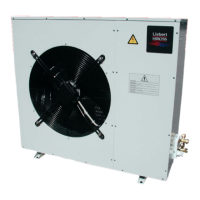
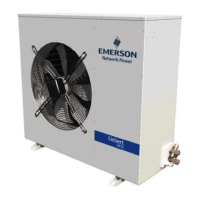
6.4.6 Air Cooled Condenser
Restricted airflow through the condenser coil will reduce the operating efficiency of the unit and can
result in high compressor head pressure and loss of cooling.
Clean the condenser coil of all debris that will inhibit air flow. This can be done with compressed air
or commercial coil cleaner. Check for bent or damaged coil fins and repair as necessary. In winter, do
not permit snow to accumulate around the sides or underneath the condenser.
Check all refrigerant lines and capillaries for vibration isolation. Support as necessary. Visually
inspect all refrigerant lines for signs of oil leaks.
Checking Refrigerant Charge (Lee–Temp/ Flood Back Head Pressure Control)
The system refrigerant level must be periodically checked. This is easily done by the following proce-
dure:
1. Adjust temperature setpoint in the unit so that the compressor will run continuously.
2. The refrigerant level is visible through two sight glasses on the receiver, and will vary with
ambient temperature.
a. 40°F (4.4°C) and lower — Midway on the bottom sight glass.
b. 40 to 60°F (4.4 to 15.6°C) — Bottom sight glass should be clear with liquid.
c. 60°F (15.6°C) and above — Midway on the top sight glass.
3. Return temperature setpoint to desired number.
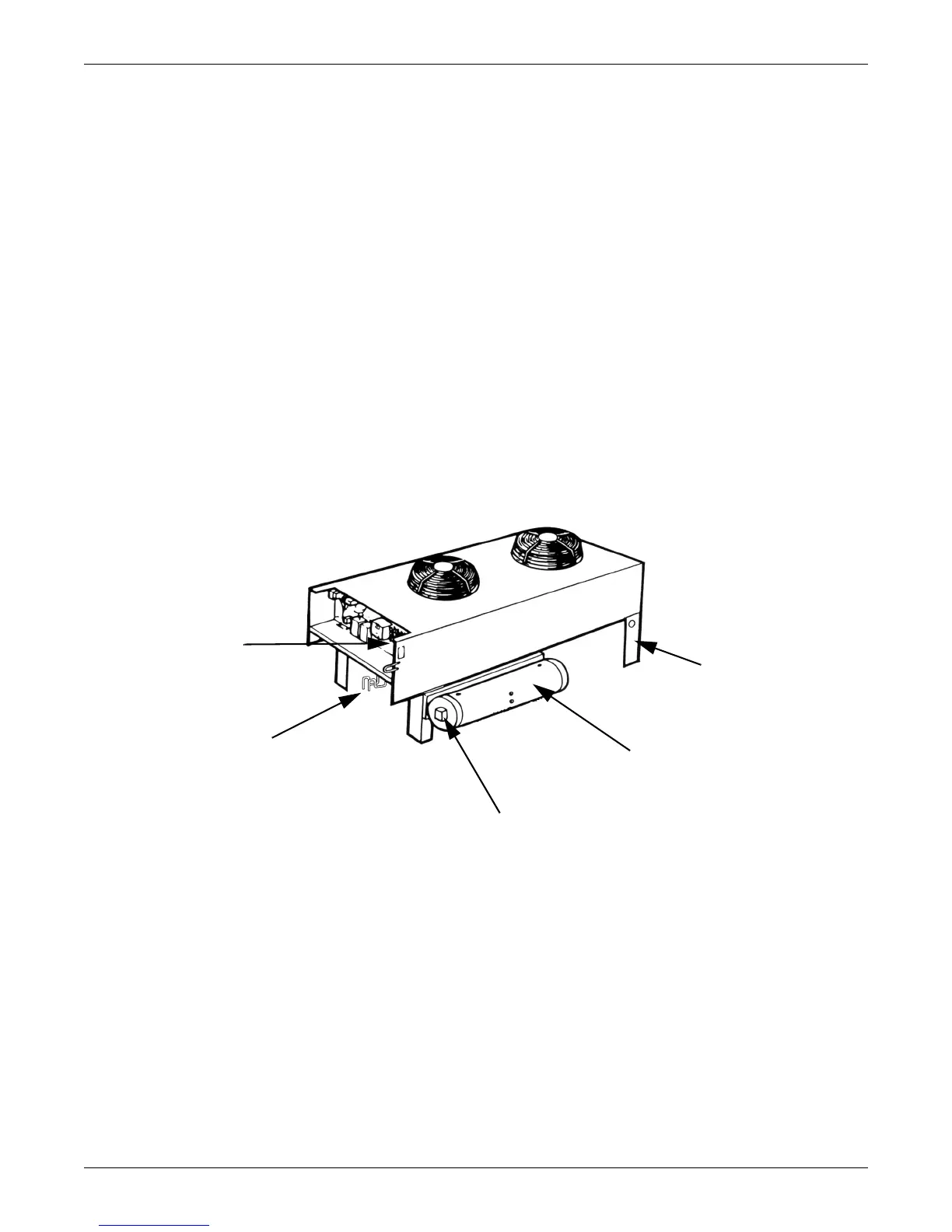
Figure 8 Outdoor fan/condenser configuration
Lee-Temp Heater Pad
Connection box
Lee-Temp Receiver
(when specified)
Electrical service
supplied by others
Inverted traps are to be
field-supplied and
installed (Typ.). When
installing traps, provide
clearance for swing of
end access door. Traps
are to extend above
base of coil by a
minimum of 7-1/2"
(190mm).
NOTE: When system
uses Lee-Temp, liquid
line does not need an
inverted trap.
Secure each leg to
condenser at all
points shown using
hardware provided




 To Next Page