EasyManua.ls Logo

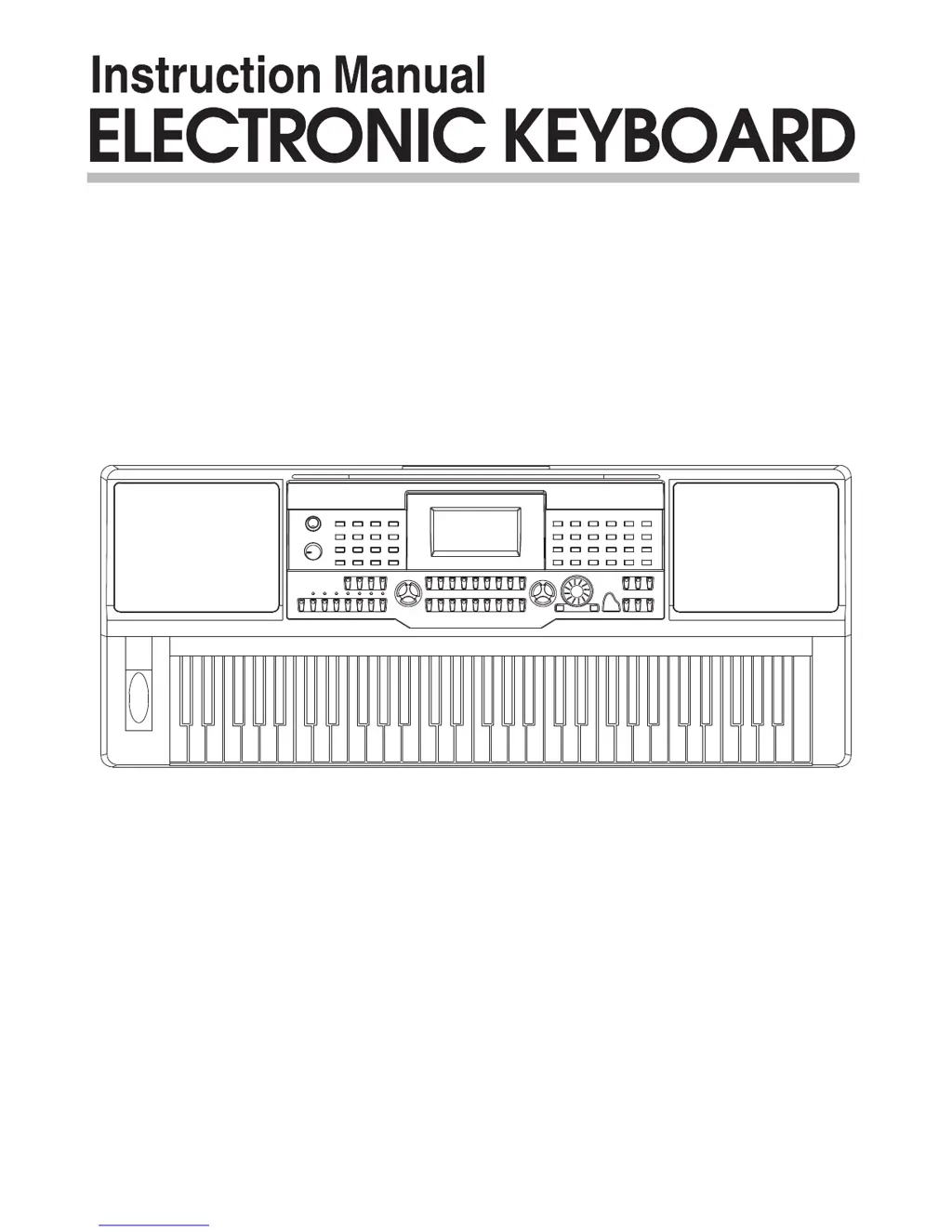
Medeli MD700 - User Manual

Medeli MD700
73 pages
Print Icon
To Next Page IconTo Next Page
Loading...

Questions and Answers

Summary

Introduction

Inside This Package

Lists the items included in the electronic keyboard package for user verification.

Important Usage Notes

Keyboard Placement Precautions

Guidelines for placing the keyboard to prevent damage from environmental factors like sun, heat, humidity, dust, and vibration.

Power Supply and Connection Safety

Instructions on using the correct AC adaptor and safe power connection practices.

Keyboard Cleaning and Care

How to properly clean the keyboard unit using soft cloths and avoiding chemical cleaners.

Handling and Transportation Guidelines

Advice on safely moving and handling the instrument to avoid physical damage.

Electrical Interference Considerations

Information on potential interference with radio/TV receivers and how to mitigate it.

Power Management for Connections

Instructions to turn off power before connecting or disconnecting devices to prevent damage.

Key Features of the Electronic Keyboard

Keyboard and Touch Response Details

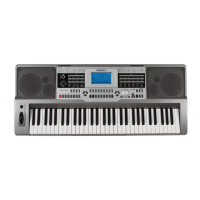
Describes the 61-key touch response keyboard and the function of the LCD display.

Voice, Style, Song, and Demo Features

Details the number of voices, styles, songs, and demo songs available.

Chord Mode and Dictionary Functions

Explains chord detection modes and the Chord Dictionary for learning chords.

Recording, Memory, and Mixer Features

Covers recording functions, memory storage, and mixer menu options.

Pedal, Interface, and SD Card Functions

Details pedal functions, connection interfaces like USB/MIDI, and SD card capabilities.

General Guide to the Keyboard

Front Panel Controls and Indicators

Identifies and explains the function of each button, knob, and jack on the keyboard's front panel.

Rear Panel Ports and Connections

Details the ports and connectors located on the rear panel of the keyboard.

LCD Display Screen Elements

Provides a detailed explanation of the elements displayed on the keyboard's LCD screen.

Keyboard Preparation and Setup

AC Adaptor Connection Procedure

Instructions for connecting the AC adaptor to power the keyboard safely.

Music Stand Assembly Instructions

Guidance on how to correctly set up the music stand for playing.

Keyboard Connection Options

Connecting Headphones

Explains how to connect headphones for personal monitoring and the automatic speaker muting.

Connecting to External Amplifiers

Describes connecting the keyboard's output to an external amplifier via the AUX.OUT jack.

Additional Connection Ports

Sustain Pedal Connection

Details how to connect an optional footswitch for sustain control, mimicking a piano pedal.

Volume Pedal Connection

Explains connecting an optional volume pedal to adjust the sound output level.

USB Connectivity for MIDI

Describes connecting the keyboard to PCs or USB host devices for MIDI data transfer.

Basic Keyboard Operation

Power On;Off and Volume Adjustment

Steps for turning the keyboard on/off and adjusting the master volume level.

Playing Demo Songs

How to play the two built-in demo songs and navigate between them.

Keyboard Voices and Effects

Selecting Instrument Voices

Guide on choosing and changing the instrument sounds (voices) using buttons or direct select.

Using Dual Voice Mode

Explains how to play two sounds simultaneously by activating the Dual Voice mode.

Split Keyboard Functionality

How to divide the keyboard into two sections with different voices using Split mode.

Adjusting Touch Sensitivity

Adjusting the keyboard's sensitivity to playing touch for dynamic sound variation.

Sustain Effect Control

Activating or deactivating the sustain effect on notes, with comparison to sustain pedal.

Using DSP Effects

How to turn the DSP effect on/off for adding realistic spatial qualities to the sound.

Expressive Playing Controls

Using the pitch bend wheel and modulation button for expressive playing techniques.

Transposing the Keyboard Pitch

Shifting the entire keyboard's pitch by semitone steps for easier playing in different keys.

Adjusting Octave Range

Adjusting the octave range of the keyboard by one step up or down.

Dedicated Piano Mode

Activating a dedicated piano mode, disabling other functions like A.B.C., and selecting styles.

Style Control and Accompaniment

Selecting and Activating Styles

How to choose and activate different accompaniment styles from the keyboard's library.

Direct Style Selection

Using specific buttons for quick selection of 24 styles, with upper/nether options.

Accompaniment Section Breakdown

Explains the structure of accompaniment: Intro, Normal, Variation, Fill, and Ending sections.

Starting Accompaniment Styles

Methods to start playing an accompaniment style, including immediate start and A.B.C. mode.

Sync Start and Intro Options

Using Sync Start for waiting input and Intro Start for playing an introductory musical passage.

Using Fill A;B

Inserting short musical fills (A or B) into the accompaniment during playback or when stopped.

Stopping Accompaniment Styles

Ways to stop the accompaniment style, including immediate stop, ending stop, and sync stop.

Adjusting Style Tempo

Changing the playback speed (tempo) of styles using buttons or the dial.

Using Fade IN;OUT

Gradually increasing (Fade IN) or decreasing (Fade OUT) the style volume.

Chord Recognition for Styles

Explains how the keyboard detects chords using Single Finger and Multi Finger methods for accompaniment.

Music Chord Fundamentals

Fundamental concepts of music chords, triads, and inversions for understanding harmony.

Using the Metronome

Using the built-in metronome for timing practice, which can play with accompaniment.

Controlling Accompaniment Volume

Adjusting the volume of the accompaniment track independently and muting it.

Keyboard Function Menu

Tuning Adjustment

Adjusting the overall pitch of the keyboard in cents to match other instruments.

Setting the Beat Value

Setting the beat value for rhythm patterns, ranging from 0 to 9.

Configuring Keyboard Split Point

Defining the point on the keyboard that separates sections for split voice playing.

Assigning Pedal Functions

Assigning functions like sustain, soft, memory select, or start/stop to the pedal.

Adjusting Reverb Level

Controlling the amount of reverberation effect added to the sound.

Adjusting Chorus Level

Adjusting the intensity of the chorus effect for a richer sound.

MIDI Channel Configuration

Configuring MIDI channels for receiving and transmitting data.

Modifying Beat Value

Modifying the beat value within the Function Menu, ranging from 0 to 9.

Selecting Keyboard Split Point

Setting the keyboard split point by selecting a note, defining chord and melody areas.

Assigning Pedal Type

Selecting the function for the connected pedal, such as sustain or start/stop.

MIDI Channel Setup

Setting MIDI IN (Receive) and MIDI OUT (Transmit) channels for communication.

Mixer Volume Controls

Memory Functionality

Managing Memory Banks

Explains the 8 banks, each with 6 memories (48 total) for storing setups.

Saving and Loading Memory Data

Procedures for saving current settings to memory and recalling them later.

Types of Stored Memory Data

Lists the types of data that can be stored in memory, including voices, styles, and parameters.

One Touch Setting (OTS) Feature

Recording Songs

Real-time Song Recording Process

Step-by-step guide for recording songs in real-time, including track selection and parameter setting.

Playing Back Recorded Songs

How to select and play back recorded user songs from memory.

Deleting Recorded Songs

Procedure for selecting and deleting recorded user songs from the keyboard's memory.

Style Record and Creation

Entering Style Record Mode

Instructions to enter the mode for recording and editing styles, with available menus.

Creating New Styles

Guide on creating new styles, including recording modes like Overdub and Replace.

Copying Existing Styles

Steps to copy an existing user style to a new slot for editing or backup.

Quantizing Recorded Styles

Correcting the timing of recorded notes by aligning them to the beat for improved accuracy.

Editing Recorded Styles

Modifying recorded styles, including tempo adjustment and renaming.

Deleting Recorded Styles

Procedure for removing unwanted user styles from the keyboard's memory.

Song Playback and Practice

Song Playback and Basic Controls

Managing song playback, including start/stop, looping, selection, and basic controls like REW/FF.

Using Lesson Mode for Practice

Explains the three lesson modes for practicing songs, focusing on timing and note accuracy.

Chord Dictionary Guide

Chord Learning Mode (Dict 1)

Mode to learn how to play chords by displaying root and type on the keyboard.

Chord Test Mode (Dict 2)

Mode to test chord playing skills by prompting random chords and checking accuracy.

Pedal Functions

Foot Switch Operation

Details the functions assignable to a foot switch pedal: sustain, soft, memory select, and start/stop.

Volume Pedal Operation

Explains how to use a volume pedal to control the overall sound volume.

SD Card Functions

Playing MIDI Files from SD Card

How to play MIDI files from an SD card, including navigation and volume adjustment.

Loading Data from SD Card

Loading songs, styles, or memory data from the SD card into the keyboard.

Saving Data to SD Card

Saving songs, styles, or memory data from the keyboard to the SD card.

Deleting Files from SD Card

Deleting files (MIDI, songs, styles) or directories from the SD card.

Formatting SD Card

Formatting the SD card to prepare it for use with the keyboard.

MIDI and USB Connectivity

Understanding MIDI

Explains MIDI as a standard interface for digital musical instruments and PCs.

USB MIDI Connection Setup

Details system requirements and connection methods for using USB for MIDI data transfer.

MIDI Interface Connections

Describes connecting MIDI interfaces between the keyboard, PC, and other equipment.

MIDI Usage Examples

Outlines how the keyboard can control other devices or be controlled via MIDI.

Technical Specifications

Troubleshooting Common Issues

Appendix: Voice List

Appendix: Style List

Appendix: Song List

Appendix: Demo List

Appendix: Chord List

Appendix: MIDI Implementation Chart

Summary

Introduction

Inside This Package

Lists the items included in the electronic keyboard package for user verification.

Important Usage Notes

Keyboard Placement Precautions

Guidelines for placing the keyboard to prevent damage from environmental factors like sun, heat, humidity, dust, and vibration.

Power Supply and Connection Safety

Instructions on using the correct AC adaptor and safe power connection practices.

Keyboard Cleaning and Care

How to properly clean the keyboard unit using soft cloths and avoiding chemical cleaners.

Handling and Transportation Guidelines

Advice on safely moving and handling the instrument to avoid physical damage.

Electrical Interference Considerations

Information on potential interference with radio/TV receivers and how to mitigate it.

Power Management for Connections

Instructions to turn off power before connecting or disconnecting devices to prevent damage.

Key Features of the Electronic Keyboard

Keyboard and Touch Response Details

Describes the 61-key touch response keyboard and the function of the LCD display.

Voice, Style, Song, and Demo Features

Details the number of voices, styles, songs, and demo songs available.

Chord Mode and Dictionary Functions

Explains chord detection modes and the Chord Dictionary for learning chords.

Recording, Memory, and Mixer Features

Covers recording functions, memory storage, and mixer menu options.

Pedal, Interface, and SD Card Functions

Details pedal functions, connection interfaces like USB/MIDI, and SD card capabilities.

General Guide to the Keyboard

Front Panel Controls and Indicators

Identifies and explains the function of each button, knob, and jack on the keyboard's front panel.

Rear Panel Ports and Connections

Details the ports and connectors located on the rear panel of the keyboard.

LCD Display Screen Elements

Provides a detailed explanation of the elements displayed on the keyboard's LCD screen.

Keyboard Preparation and Setup

AC Adaptor Connection Procedure

Instructions for connecting the AC adaptor to power the keyboard safely.

Music Stand Assembly Instructions

Guidance on how to correctly set up the music stand for playing.

Keyboard Connection Options

Connecting Headphones

Explains how to connect headphones for personal monitoring and the automatic speaker muting.

Connecting to External Amplifiers

Describes connecting the keyboard's output to an external amplifier via the AUX.OUT jack.

Additional Connection Ports

Sustain Pedal Connection

Details how to connect an optional footswitch for sustain control, mimicking a piano pedal.

Volume Pedal Connection

Explains connecting an optional volume pedal to adjust the sound output level.

USB Connectivity for MIDI

Describes connecting the keyboard to PCs or USB host devices for MIDI data transfer.

Basic Keyboard Operation

Power On;Off and Volume Adjustment

Steps for turning the keyboard on/off and adjusting the master volume level.

Playing Demo Songs

How to play the two built-in demo songs and navigate between them.

Keyboard Voices and Effects

Selecting Instrument Voices

Guide on choosing and changing the instrument sounds (voices) using buttons or direct select.

Using Dual Voice Mode

Explains how to play two sounds simultaneously by activating the Dual Voice mode.

Split Keyboard Functionality

How to divide the keyboard into two sections with different voices using Split mode.

Adjusting Touch Sensitivity

Adjusting the keyboard's sensitivity to playing touch for dynamic sound variation.

Sustain Effect Control

Activating or deactivating the sustain effect on notes, with comparison to sustain pedal.

Using DSP Effects

How to turn the DSP effect on/off for adding realistic spatial qualities to the sound.

Expressive Playing Controls

Using the pitch bend wheel and modulation button for expressive playing techniques.

Transposing the Keyboard Pitch

Shifting the entire keyboard's pitch by semitone steps for easier playing in different keys.

Adjusting Octave Range

Adjusting the octave range of the keyboard by one step up or down.

Dedicated Piano Mode

Activating a dedicated piano mode, disabling other functions like A.B.C., and selecting styles.

Style Control and Accompaniment

Selecting and Activating Styles

How to choose and activate different accompaniment styles from the keyboard's library.

Direct Style Selection

Using specific buttons for quick selection of 24 styles, with upper/nether options.

Accompaniment Section Breakdown

Explains the structure of accompaniment: Intro, Normal, Variation, Fill, and Ending sections.

Starting Accompaniment Styles

Methods to start playing an accompaniment style, including immediate start and A.B.C. mode.

Sync Start and Intro Options

Using Sync Start for waiting input and Intro Start for playing an introductory musical passage.

Using Fill A;B

Inserting short musical fills (A or B) into the accompaniment during playback or when stopped.

Stopping Accompaniment Styles

Ways to stop the accompaniment style, including immediate stop, ending stop, and sync stop.

Adjusting Style Tempo

Changing the playback speed (tempo) of styles using buttons or the dial.

Using Fade IN;OUT

Gradually increasing (Fade IN) or decreasing (Fade OUT) the style volume.

Chord Recognition for Styles

Explains how the keyboard detects chords using Single Finger and Multi Finger methods for accompaniment.

Music Chord Fundamentals

Fundamental concepts of music chords, triads, and inversions for understanding harmony.

Using the Metronome

Using the built-in metronome for timing practice, which can play with accompaniment.

Controlling Accompaniment Volume

Adjusting the volume of the accompaniment track independently and muting it.

Keyboard Function Menu

Tuning Adjustment

Adjusting the overall pitch of the keyboard in cents to match other instruments.

Setting the Beat Value

Setting the beat value for rhythm patterns, ranging from 0 to 9.

Configuring Keyboard Split Point

Defining the point on the keyboard that separates sections for split voice playing.

Assigning Pedal Functions

Assigning functions like sustain, soft, memory select, or start/stop to the pedal.

Adjusting Reverb Level

Controlling the amount of reverberation effect added to the sound.

Adjusting Chorus Level

Adjusting the intensity of the chorus effect for a richer sound.

MIDI Channel Configuration

Configuring MIDI channels for receiving and transmitting data.

Modifying Beat Value

Modifying the beat value within the Function Menu, ranging from 0 to 9.

Selecting Keyboard Split Point

Setting the keyboard split point by selecting a note, defining chord and melody areas.

Assigning Pedal Type

Selecting the function for the connected pedal, such as sustain or start/stop.

MIDI Channel Setup

Setting MIDI IN (Receive) and MIDI OUT (Transmit) channels for communication.

Mixer Volume Controls

Memory Functionality

Managing Memory Banks

Explains the 8 banks, each with 6 memories (48 total) for storing setups.

Saving and Loading Memory Data

Procedures for saving current settings to memory and recalling them later.

Types of Stored Memory Data

Lists the types of data that can be stored in memory, including voices, styles, and parameters.

One Touch Setting (OTS) Feature

Recording Songs

Real-time Song Recording Process

Step-by-step guide for recording songs in real-time, including track selection and parameter setting.

Playing Back Recorded Songs

How to select and play back recorded user songs from memory.

Deleting Recorded Songs

Procedure for selecting and deleting recorded user songs from the keyboard's memory.

Style Record and Creation

Entering Style Record Mode

Instructions to enter the mode for recording and editing styles, with available menus.

Creating New Styles

Guide on creating new styles, including recording modes like Overdub and Replace.

Copying Existing Styles

Steps to copy an existing user style to a new slot for editing or backup.

Quantizing Recorded Styles

Correcting the timing of recorded notes by aligning them to the beat for improved accuracy.

Editing Recorded Styles

Modifying recorded styles, including tempo adjustment and renaming.

Deleting Recorded Styles

Procedure for removing unwanted user styles from the keyboard's memory.

Song Playback and Practice

Song Playback and Basic Controls

Managing song playback, including start/stop, looping, selection, and basic controls like REW/FF.

Using Lesson Mode for Practice

Explains the three lesson modes for practicing songs, focusing on timing and note accuracy.

Chord Dictionary Guide

Chord Learning Mode (Dict 1)

Mode to learn how to play chords by displaying root and type on the keyboard.

Chord Test Mode (Dict 2)

Mode to test chord playing skills by prompting random chords and checking accuracy.

Pedal Functions

Foot Switch Operation

Details the functions assignable to a foot switch pedal: sustain, soft, memory select, and start/stop.

Volume Pedal Operation

Explains how to use a volume pedal to control the overall sound volume.

SD Card Functions

Playing MIDI Files from SD Card

How to play MIDI files from an SD card, including navigation and volume adjustment.

Loading Data from SD Card

Loading songs, styles, or memory data from the SD card into the keyboard.

Saving Data to SD Card

Saving songs, styles, or memory data from the keyboard to the SD card.

Deleting Files from SD Card

Deleting files (MIDI, songs, styles) or directories from the SD card.

Formatting SD Card

Formatting the SD card to prepare it for use with the keyboard.

MIDI and USB Connectivity

Understanding MIDI

Explains MIDI as a standard interface for digital musical instruments and PCs.

USB MIDI Connection Setup

Details system requirements and connection methods for using USB for MIDI data transfer.

MIDI Interface Connections

Describes connecting MIDI interfaces between the keyboard, PC, and other equipment.

MIDI Usage Examples

Outlines how the keyboard can control other devices or be controlled via MIDI.

Technical Specifications

Troubleshooting Common Issues

Appendix: Voice List

Appendix: Style List

Appendix: Song List

Appendix: Demo List

Appendix: Chord List

Appendix: MIDI Implementation Chart

Medeli MD700 Specifications

General IconGeneral
BrandMedeli
ModelMD700
CategoryElectronic Keyboard
LanguageEnglish

Related product manuals