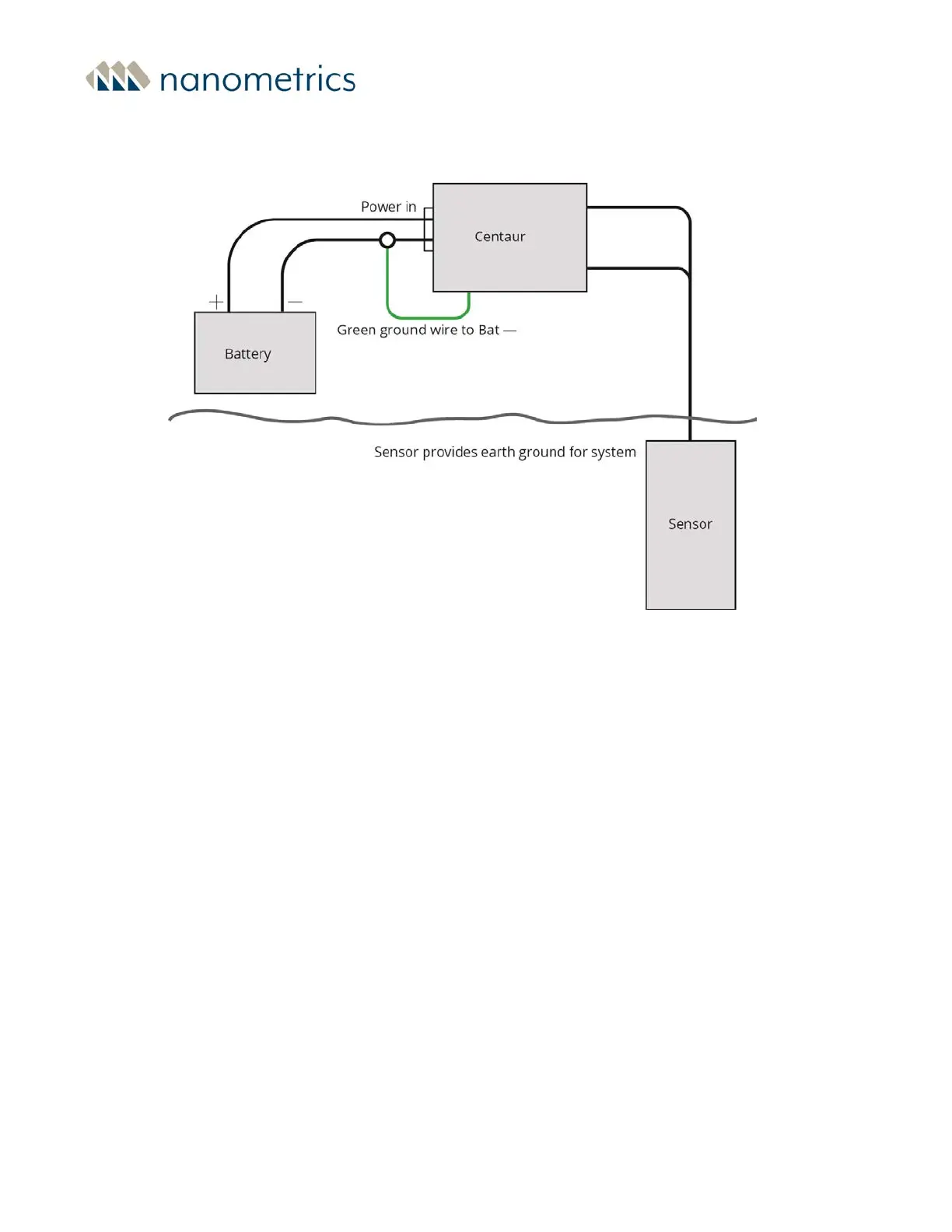
Figure B-1 - System grounding for burial in uncased hole (direct burial)
B.3 Grounding the Sensor in a Metal-cased Hole Installation
Use the guidelines in this section to ground a Trillium Compact Posthole seismometer that is
installed in a metal-cased hole.
Lightning surge failures can occur at improperly grounded metal-cased hole installation sites
when the digitizer’s earth ground at the surface becomes charged to a high voltage while the
seismometer is connected to a more neutral voltage at depth.
To minimize this voltage difference, connect the digitizer chassis ground to the borehole casing
at the wellhead. A steel borehole casing provides an excellent earth ground for all equipment
at the station, as well as a ground shield around the seismometer itself. Surge currents will
travel down the outside surface of a steel casing but will not penetrate significantly to the
inside, due to the small skin depth for fast surge transients. See Figure B-2.
A non-conductive plastic casing is another option, although this option is usually not preferred
due to poorer mechanical properties (thermal expansion and creep) which may cause low-
Appendix B - Grounding guidelines
16889R10 • 2020-11-12 Page 91


 To Next Page