5.FUEL SYSTEM
5-
5. FUEL SYSTEM
The fuel system of a fuel injection system holds much more a pressure than on carbureted
vehicle. Prior to disconnecting a hose or to removing a component from the fuel system, follow
the recommendation described here.
Fuel lines remain under pressure at all times. Always proceed with care and use appropriate
safety equipment when working on pressurized fuel system. Wear safety glasses. Proceed with
care when removing/installing pressure test equipment or disconnecting fuel line connections.
Cover the fuel line connection with an absorbent shop rag. Slowly disconnect the fuel hose to
minimize spilling. Wipe off any fuel spillage in the engine compartment. Do not allow fuel to spill
on hot engine parts and/or electrical connectors. Never use a hose pincher on injection system
high pressure hoses. Replace any damage or deteriorated fuel lines.
When the repair is completed, ensure that all hoses are connected and secured.
Always perform the fuel pressure test if any component has been removed. A pressure test
must be done before turning the ignition key to ON and setting the engine stop switch to RUN.
The fuel pump is activated each time in these conditions.
To locate a leak, pressurize the system. Check for leaking fuel or fuel odor. Spray soapy water
on all hose connections and injectors. Air bubbles will show the leaking area.
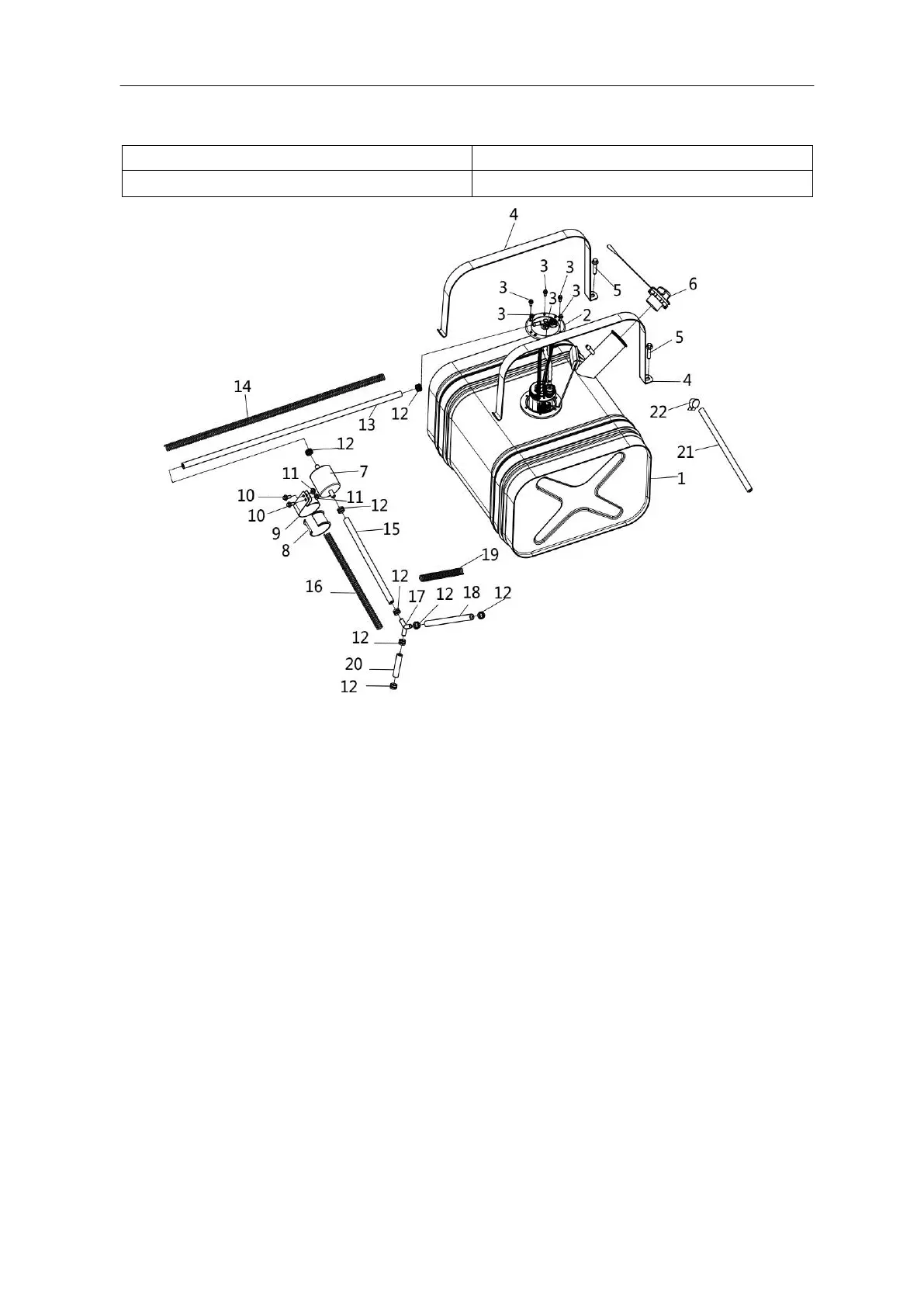
Inspect the fuel lines, fuel tank, fuel tank cap for damage, clogging and leakage of fuel. If any
damages are found, replace the defective parts with the new ones.
FUEL PRESSURE TEST ······················ 5-2
FUEL FILTER ··································· 5-2
FUEL PUMP ······································ 5-2
FUEL TANK ····································· 5-4



 To Next Page