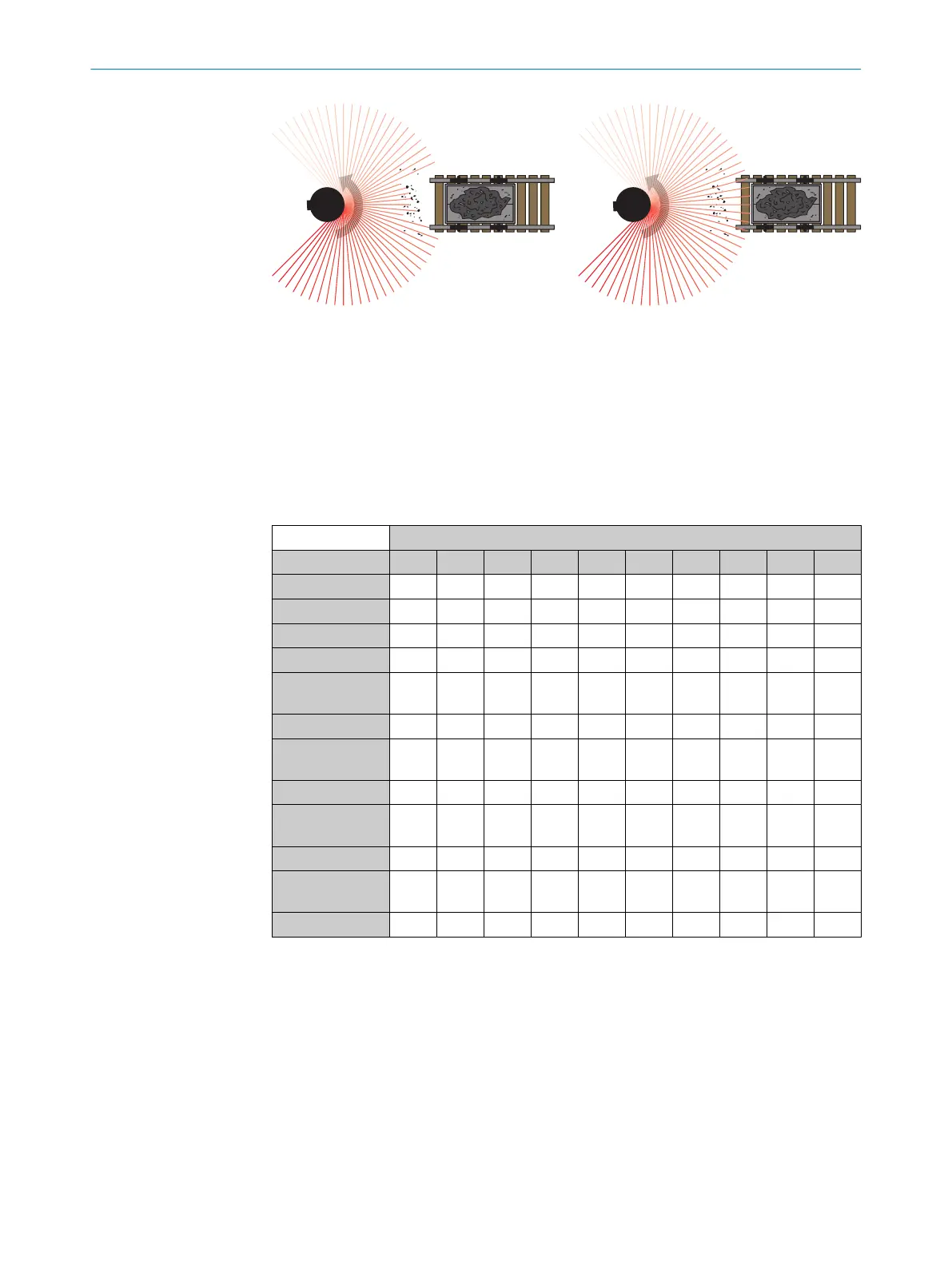
Figure 17: Without the particle filter: Violation
of the contour due to dust particles in the
vicinity of the object.
Figure 18: Using the particle filter: The
response to dust particles in the detection
field is delayed by one scan. Particles can
thereby be blanked.
3.4.7.4 Moving average filter
The sliding average filter smooths the distance value. It does this by calculating the
arithmetic mean from several scans of the same point. The number of scans can be
configured. Each scan layer is filtered separately.
Table 3: Example: Moving average filter over 4scans
Angle (distance values in mm)
Scan 1 2 3 4 5 6 7 8 9 …
1 0 0 1100 1100 1150 1150 1380 1380 0 …
2 0 0 1200 1200 1190 950 1500 1500 0 …
3 0 0 1150 1450 1200 1200 1450 1450 0 …
4 0 0 1170 1170 1220 1220 1470 1150 0 …
1. Output value
(scan 1-4)
0 0 1155 1230 1190 1130 1450 1370 0 …
5 0 0 0 1110 1150 1150 1380 1380 0 …
2. Output value
(scan 2-5)
0 0 1173 1233 1190 1130 1450 1370 0
6 0 0 1200 1210 1190 0 1500 1500 0 …
3. Output value
(scan 3-6)
0 0 1173 1235 1190 1190 1450 1370 0
7 0 730 1150 0 1200 1200 1450 1450 0 …
4. Output value
(4-7)
0 730 1173 1163 1190 1190 1450 1370 0
… … … … … … … … … … …
Individual outliers (shown in bold in the table) influence the average value.
Once the measured value telegram has been confirmed, the first measured value is
not output until after the configured number of scans. Therefore, there is always a time
delay equivalent to the number of scans configured for averaging. The scan counter is
taken from the latest scan included in the averaging process. Invalid distance values
(= 0) are not included in the averaging calculation, so that in these places a smaller
number of scans is used in the division calculation.
Based on the scanning frequency of 20Hz, a measured value is generated every
50ms. The time delay for data output results from this base value multiplied
by the number of averaging operations (e.g., 2 averaging operations = 100ms,
10 averaging operations = 500ms).
PRODUCT DESCRIPTION
3
8027119/0000/2022-11 | SICK O P E R A T I N G I N S T R U C T I O N S | multiScan136
23
Subject to change without notice



 To Next Page