33
13. DECONTAMINATION
General Cleaning:
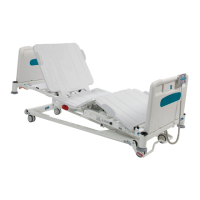
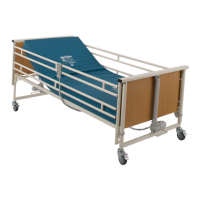
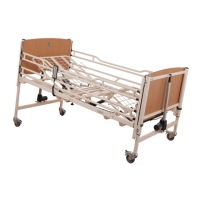
• The bed should be cleaned by starting with the cleanest parts of the bed and
systematically moving to the dirtiest parts. Extra care should be taken around
areas where excess dirt or dust may gather.
• The cloth should be changed during the cleaning process if it becomes soiled.
• Wipe down with a clean cloth moistened with a mild detergent and dilute with
warm water (40°C).
• Rinse with cold, clean water and a clean cloth, and allow to fully dry before use.
Decontamination:
• Mop up any fluid with paper towels.
• Wipe bed down using cold clean water.
• Wipe down with a 0.1% Chlorine solution (1,000ppm) in cold water.
• Rinse with cold clean water and a clean cloth and allow to fully dry before use.
Always ensure the cleaned parts are allowed to dry before putting the mattress
back in place.
In cases of blood spills or other bodily fluids it is recommended that a 1% Chlorine
solution (10,000ppm) is used instead.
Note: If any of the stages stated above are omitted or combined it will reduce
the effectiveness of the clean.
13.1 Cleaning and Disinfection Guidelines
Warning
• Always disconnect the bed from the main power supply prior to cleaning.
• Ensure all ports on the electrical system (control box and actuators) have cable plugs
fully inserted to maintain the IP rating.
• Regular cleaning and disinfection of the bed frame and relevant accessories will help to
prevent the risk of infection to the occupant and / or carer.
• Prior to transferring the bed frame / accessory to another user ensure it has been
cleaned and disinfected using the method as detailed below to help prevent the risk of
cross infection.
Infection control and routine cleaning must be carried out in accordance with your
local infection control policy or regulatory body.
It is advisable to remove any accessories that are fastened to the bed. These instructions
apply to the bed and all accessories, excluding pads and mattresses.
FOR AUTHORISED PERSONNEL REFERENCE ONLY


 To Next Page