EasyManua.ls Logo

SPT SPT299 - Page 19

SPT SPT299
121 pages
Print Icon
To Next Page IconTo Next Page
To Previous Page IconTo Previous Page
Loading...
SPT-299CZ-02
16
Watch the weather
If you encounter thunderstorms or lightning, please stop using the crane, immediately lower the load
and control the boom.
Wind will cause the suspended load to swing back and forth, causing the machine to become
unstable. If the lifted load is affected, immediately lower the load and control the boom.
If the maximum instantaneous wind speed 10 m/s, stop using the crane, immediately lower the
load and control the boom.
Even if the maximum instantaneous wind speed is lower than 10 m/s, larger lifting loads, higher
lifting load heights, and even extension of the boom length can increase the influence of wind. Be extra
careful when you work.
When hoisting loads such as steel plates that are exposed to wind in a large area, the wind blowing
from the front/rear/side of the boom may cause the machine to tip over or damage the boom. Take
necessary precautions.
When an earthquake occurs, stop working and wait for the earthquake to end.

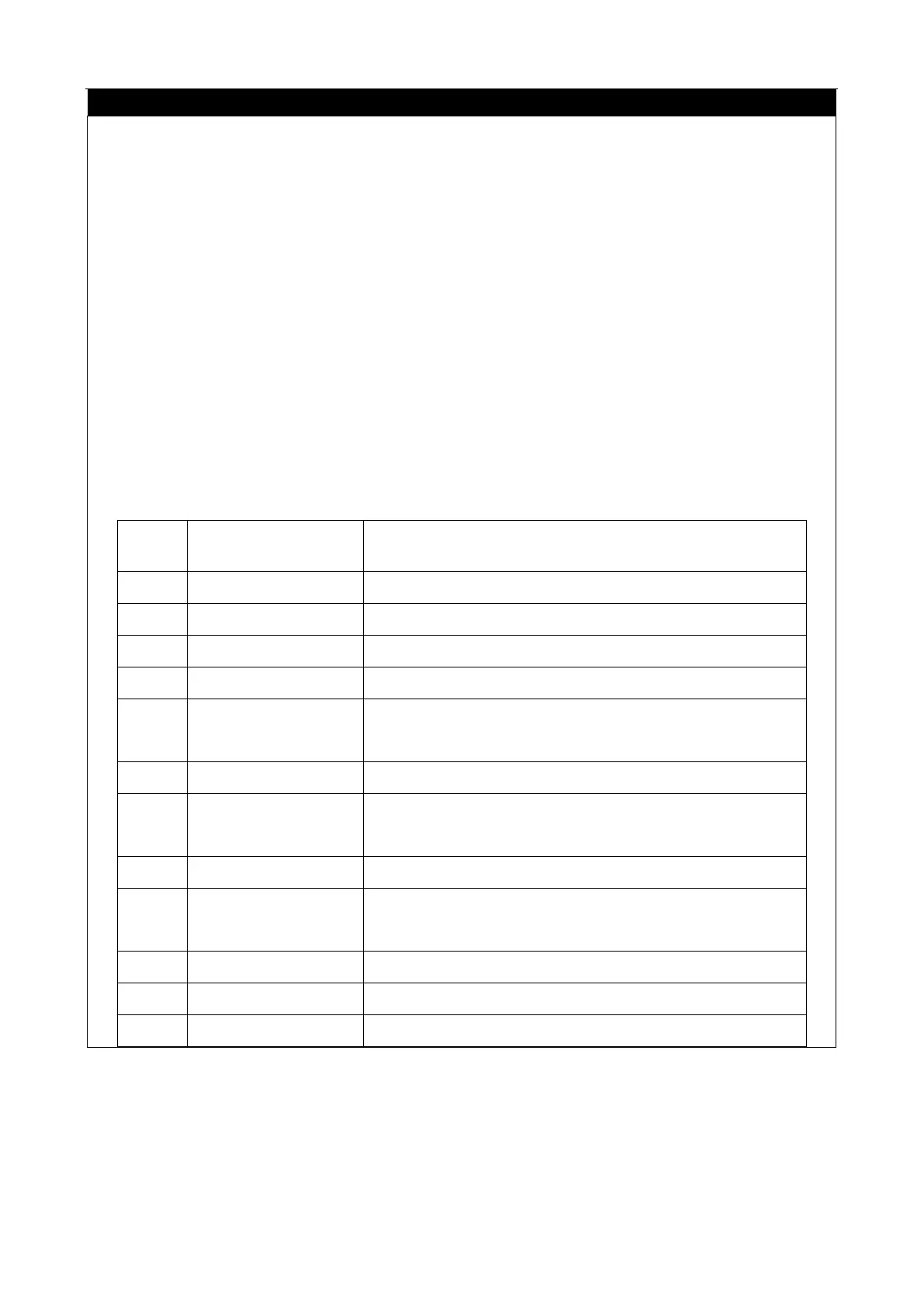
wind
wind speed (m/s)
Performance
0
Less than 0.3
Smoke rises vertically.
1
0.3 - below 1.6
Wind movement visible in smoke.
2
1.6 - below 3.4
Wind is felt on exposed skin.
3
3.4 - below 5.5
Leaves and twigs in constant motion.
4
5.5 - below 8.0
Dust and loose paper kicked up. The twigs began to
move.
5
8.0 - below 10.8
Small tree swings. Some foam and spray.
6
10.8 - below 13.9
The branches are moving. A whistle was heard in the
overhead wires.
7
13.9 - below 17.2
Using an umbrella becomes difficult.
8
17.2 - below 20.8
The whole tree is in motion. Walking against the wind
takes effort.
9
20.8 - below 24.5
Broken branch from tree. Progress is blocked.
10
24.5 - below 28.5
Trees were uprooted. Severe structural damage.
11
28.5 - below 32.7
Extensive structural damage.

Table of Contents