Operation
Step 5: Operate the crane.
Operators should have a firm understanding
of ANSI B30.5 - Section 5-3.2 Operating
Practices and AEM Safety Manual (Form C-
70-2)prior to operation of the crane.
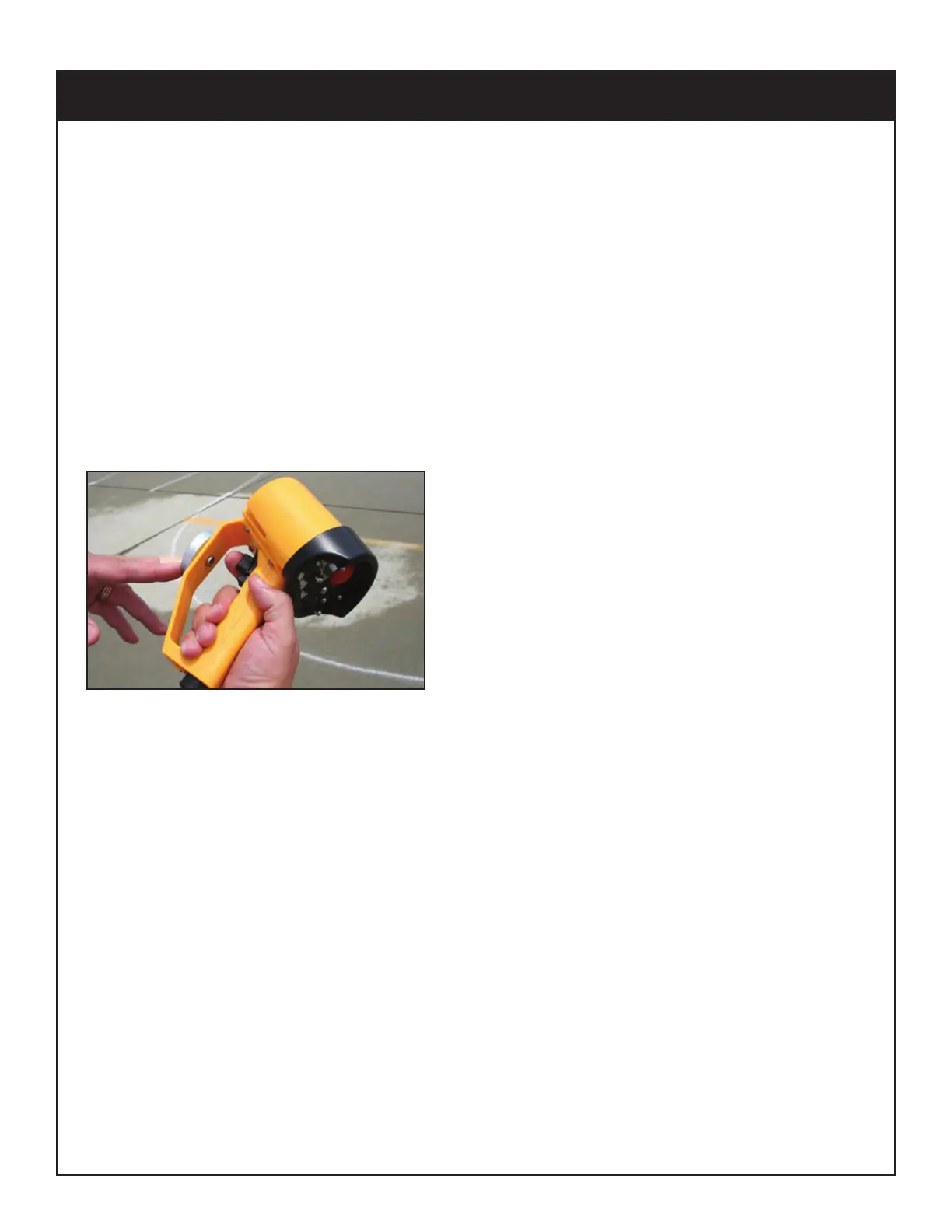
Using the Radio Remote:
To operate the crane using the radio
remote control:
1. Activate and hold the desired toggle
switch (See next page for details).
2. While holding the toggle, gently pull the
variable speed trigger until the crane
begins to move. The speed of the crane
will vary in direct correlation to how much
or how little the trigger is engaged.
Note: The radio remote allows for
simultaneous functions. With practice, it is
possible to use more than one toggle at the
same time (Extension Out/Winch Down for
example).
Unstowing the Crane:
To unstow the crane and prepare it for a lift:
1. Winch down slightly to disengage the
anti-two block feature.
2. Raise the boom high enough to clear the
boom rest and any other obstructions
from the chassis.
3. Rotate the crane until it clears the side of
the truck body.
4. Lower the crane boom down far enough
so that the snatch block is within
comfortable reach.
5. Winch down to create slack in the wire
rope and unhook the snatch block. Be
very cautious when releasing the snatch
block. Maintain control to avoid personal
injury or damage to any equipment.
Attaching the load:
1. Make sure the hook is centered directly
over the load to minimize swinging.
2. Attach the load to the hook by means of
slings or other approved devices.
3. Know the rated load of the hook used to
pick the load.
4. Do not use a hook to lift personnel.
5. Do not wrap the hoist rope around the
load.
6. Maintain a minimum of 3 full wraps of
wire rope on the winch drum at all times.
Note: Do not load the crane beyond the
rated capacity. It is the responsibility of the
operator to know the weight of both the
rigging and the handled load to avoid
overloading the crane. ,+/1)00'$
" - "(03 +#/0 !()(03"' .0/ /+$$#$#
Lifting the load:
1. Lift load slightly off the ground to check
the safety of the cargo. Do not use
stability to determine the safety.
2. Do not attempt to lift fixed loads.
Moving the load:
1. Ensure that the load is secure and
balanced within the sling before moving.
2. Be sure that the crane is level and stable
before moving the load. Use stabilizer
pads to ensure the proper distribution of
weight.
3. Be aware of the surroundings: low
branches, power lines, unstable ground,
etc.
4. Do not drag loads with the crane.
5. Do not extend or rotate a load over
anyone.
6. Avoid sudden starts and stops when
moving a load.



 To Next Page