EasyManua.ls Logo

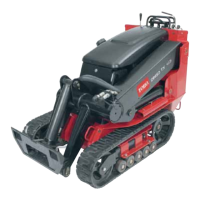
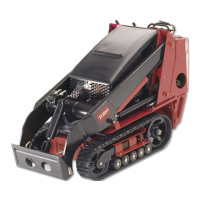
Toro 22303 Dingo 320-D - User Manual

Toro 22303 Dingo 320-D
40 pages
Print Icon
To Next Page IconTo Next Page
Loading...
Form No. 3354-738 Rev A
Dingo 320-D® Compact Utility
Loader
Model No. 22303 with CE Kit 22365 Installed —Serial No.
260000001 and Up
Register your product at www.Toro.com Original Instructions (EN)

Questions and Answers

  • K
    Kenneth AnthonyAug 15, 2025
    Why does the starter not crank on my Toro 22303 Dingo 320-D Compact Loader?
    • P
      perkinsdavidAug 15, 2025
      If the starter on your Toro Compact Loader isn't cranking, it could be due to several reasons: * Corroded or loose electrical connections: Ensure all electrical connections have good contact. * Blown or loose fuse: Correct or replace the fuse. * Discharged battery: Charge or replace the battery. For damaged relays, switches, starters, starter solenoids, or seized internal engine components, it's best to contact your Authorized Service Dealer.
  • M
    Michael CochranAug 21, 2025
    Why does my Toro 22303 Dingo 320-D engine start but not stay running?
    • L
      Laura RiddleAug 21, 2025
      If your Toro Compact Loader engine starts but doesn't keep running, here are a few things to check: * Restricted fuel tank vent: Loosen the cap. If it runs with the cap loosened, replace the cap. * Contaminated fuel system: Drain and flush the fuel system, then add fresh fuel. * Clogged fuel filter: Replace the fuel filter. * Air in the fuel: Bleed the nozzles and check for air leaks at fuel hose connections and fittings between the fuel tank and engine. * Improper fuel grade for cold weather: Drain the fuel system and replace the fuel filter. Add fresh fuel of proper grade for ambient temperature conditions. * Clogged spark arrestor screen: Clean or replace the spark arrestor screen. If the fuel pump is damaged, contact your Authorized Service Dealer.
  • N
    Nicholas WrightAug 25, 2025
    How to fix an overheating engine on a Toro 22303 Dingo 320-D Compact Loader?
    • F
      Frank JohnsonAug 25, 2025
      If your Toro Compact Loader engine is overheating, here are some possible causes and solutions: * Low coolant level: Check and add coolant. * Restricted airflow to the radiator: Inspect and clean the radiator screen with every use. * Incorrect crankcase oil level: Fill or drain to the full mark. * Excessive loading: Reduce load; use lower ground speed. * Incorrect fuel: Drain and flush the fuel system; add fresh fuel.
  • P
    Patricia HornAug 27, 2025
    What causes a Toro 22303 Dingo 320-D Compact Loader engine to knock or miss?
    • E
      eatonjessicaAug 27, 2025
      If your Toro Compact Loader's engine is running but knocking or missing, the following could be the cause: * Contaminated fuel system: Drain and flush the fuel system; add fresh fuel. * Air in the fuel: Bleed nozzles and check for air leaks at the fuel hose connections and fittings between the fuel tank and engine.
  • A
    Angela ThomasAug 30, 2025
    How to troubleshoot an engine that will not idle on a Toro 22303 Dingo 320-D Compact Loader?
    • A
      Andrew AllenAug 30, 2025
      If your Toro Compact Loader engine will not idle, consider these potential issues: * Restricted fuel tank vent: Loosen the cap. If the engine runs with the cap loosened, replace the cap. * Contaminated fuel system: Drain and flush the fuel system; add fresh fuel. * Dirty air cleaner filters: Service the air filters. * Clogged fuel filter: Replace the fuel filter. * Air in the fuel: Bleed the nozzles and check for air leaks at fuel hose connections and fittings between the fuel tank and engine.
  • A
    Anthony OchoaSep 2, 2025
    Why is my Toro Compact Loader engine losing power?
    • S
      Sarah RichardsonSep 2, 2025
      If your Toro Compact Loader's engine is losing power, consider the following: * Excessive engine load: Reduce ground speed. * Incorrect crankcase oil level: Fill or drain to the full mark. * Dirty air cleaner filters: Service the air filters. * Contaminated fuel system: Drain and flush the fuel system; add fresh fuel. * Clogged spark arrestor screen: Clean or replace the spark arrestor screen. * Air in the fuel: Bleed the nozzles and check for air leaks at fuel hose connections and fittings between the fuel tank and engine.
  • L
    Lori MillerSep 5, 2025
    What causes excessive black smoke from the Toro 22303 Dingo 320-D exhaust?
    • E
      Ernest EspinozaSep 6, 2025
      If you see excessive black smoke coming from the exhaust of your Toro Compact Loader, it could be due to: * Excessive loading: Reduce the load by using a lower ground speed. * Dirty air cleaner filters: Service the air filters. * Incorrect fuel: Drain the fuel system and refill with specified fuel.
  • W
    William SalazarSep 8, 2025
    Why is there excessive white smoke from my Toro 22303 Dingo 320-D exhaust?
    • A
      Andrew SanchezSep 8, 2025
      If your Toro Compact Loader is producing excessive white smoke from the exhaust, here are a few things to investigate: * Starting the engine before the glow plug light turns off: Turn the key to the run position and allow the glow plug light to turn off before starting the engine. * Low engine temperature: Check the thermostat. * Inoperative glow plugs: Check the fuse, glow plugs, and wiring.
  • S
    Samantha ChambersSep 12, 2025
    What to do if my Toro 22303 Dingo 320-D traction unit does not drive?
    • L
      Lacey ArnoldSep 12, 2025
      If your Toro Compact Loader does not drive, check the following: * Parking brake: Release the parking brake. * Hydraulic fluid level: Add hydraulic fluid to the reservoir. * Tow valves: Close the tow valves. * Flow divider valve lever position: Move the lever to the 12 o’clock to 10 o’clock position.
  • M
    Martha HicksNov 17, 2025
    What to do if my Toro 22303 Dingo 320-D engine cranks but won't start?
    • M
      Matthew ChoiNov 17, 2025
      If your Toro Compact Loader's engine cranks but doesn't start, consider these potential causes: * Incorrect starting procedure: Refer to Starting and Stopping the Engine. * Empty fuel tank: Refill with fresh fuel. * Closed fuel shut-off valve: Open the valve. * Contaminated fuel system: Drain, flush, and add fresh fuel. * Clogged fuel line: Clean or replace it. * Air in the fuel: Bleed the nozzles and inspect fuel hose connections and fittings for leaks. * Inoperative glow plugs: Check the fuse, glow plugs, and wiring. * Slow cranking speed: Check the battery, oil viscosity, and starting motor (contact your Authorized Service Dealer). * Dirty air cleaner filters: Service the air filters. * Clogged fuel filter: Replace the fuel filter. * Improper fuel grade for cold w...

Summary

Introduction

Safety

Safe Operating Practices

Guidelines for safe operation to prevent injury and damage.

Engine Exhaust Hazards

Warning about carbon monoxide poisoning from engine exhaust.

General Operation

Instructions for proper operation before starting and during use.

Slope Operation

Precautions and techniques for operating on slopes to prevent tip-overs.

Children

Safety warnings regarding children near the operating area.

Service Safety

Safety precautions to follow when performing maintenance or repairs.

Fuel Handling Safety

Precautions for safe refueling and fuel storage.

Battery Safety

Warnings and precautions when working with batteries.

Hydraulic Fluid Safety

Hazards associated with high-pressure hydraulic fluid leaks.

Sound Pressure

Maximum sound pressure level at the operator's ear.

Sound Power

Guaranteed sound power level of the unit.

Vibration

Hand/arm and whole body vibration levels.

Slope Chart

Safety and Instructional Decals

Battery Symbols

Setup

Loose Parts

Checklist for verifying shipped parts.

Installing the Speed Selector Lever

Step-by-step guide to install the speed selector lever.

Charging and Connecting the Battery

Procedure for charging and connecting the battery safely.

Checking Fluid Levels

Instructions for checking engine oil, coolant, and hydraulic fluid.

Product Overview

Controls

Key Switch

Operation of the ignition key switch for starting and stopping.

Throttle Lever

How to adjust engine speed using the throttle lever.

Traction Control Levers

Operation of levers for forward, backward, and turning movements.

Attachment Tilt Lever

Operation of the lever for tilting attachments forward or rearward.

Loader Arm Lever

Operation of the lever for raising and lowering loader arms.

Loader Valve Lock

How to secure loader arms and tilt levers during maintenance.

Auxiliary Hydraulics Lever

Operation of the lever for controlling hydraulic attachments.

Speed Selector Lever

Adjusting traction and attachment speed with the selector lever.

Hour Meter

Understanding the hour meter and maintenance reminders.

Flow Divider Control

Adjusting hydraulic flow between traction and auxiliary systems.

Parking Brake

How to engage and disengage the parking brake.

Oil Pressure Light

Meaning of the oil pressure warning light and actions to take.

Battery Light

Meaning of the battery warning light and troubleshooting.

Engine Temperature Light

Meaning of the engine temperature warning light and actions.

Glow Plug Light

Meaning of the glow plug light and troubleshooting.

Specifications

Stability Data

Operation

General Operation Warnings

Warnings for falling off, moving levers, and operating with covers removed.

Adding Fuel

Step-by-step instructions for refueling the unit safely.

Draining Water from the Fuel Filter

Procedure for draining water from the fuel filter.

Checking the Engine Oil Level

How to check and add engine oil.

Checking the Coolant Level

How to check and add coolant, with safety warnings.

Checking the Hydraulic Fluid Level

Procedure for checking and adding hydraulic fluid.

Checking the Tire Pressure

How to check and maintain tire pressure.

Testing the Parking Brake

Daily procedure to test the parking brake.

Starting and Stopping the Engine

Steps for safely starting and stopping the engine.

Driving Forward or Backward

Instructions for controlling movement and steering.

Stopping the Traction Unit

Steps to safely stop the unit and engine.

Moving a Non-functioning Traction Unit

Procedure for towing a unit with a damaged hydraulic system.

Using the Cylinder Locks

How to install and remove cylinder locks for safety.

Installing and Removing Attachments

Guidelines for attaching and detaching accessories.

Connecting the Hydraulic Hoses

Steps to connect hydraulic hoses for attachments.

Removing an Attachment

Procedure for safely detaching hydraulic and non-hydraulic attachments.

Securing the Traction Unit for Transport

How to secure the unit for transport on a trailer.

Maintenance

Recommended Maintenance Schedule(s)

Table detailing maintenance tasks and intervals.

Premaintenance Procedures

Steps to take before performing maintenance.

Removing the Front Access Cover

How to remove the front access cover for maintenance.

Opening the Rear Access Cover

How to open the rear access cover for maintenance.

Greasing the Traction Unit

Procedure for greasing pivot joints and fittings.

Servicing the Air Cleaner

Instructions for cleaning and replacing air filters.

Servicing the Engine Oil

Steps for changing engine oil and filter.

Fuel System Maintenance

Procedures for maintaining the fuel system.

Changing the Fuel Filter

How to replace the fuel filter.

Bleeding the Fuel System

Procedure to remove air from the fuel system.

Draining the Fuel Tank

Steps for safely draining the fuel tank.

Electrical System Maintenance

Servicing the Battery

Procedures for checking and maintaining the battery.

Checking the Electrolyte Level

How to check the battery's electrolyte level.

Adding Water to the Battery

Steps for adding distilled water to battery cells.

Charging the Battery

Safe procedure for charging the battery.

Hydraulic System Maintenance

Changing the Hydraulic Filter

How to change the hydraulic filter.

Changing the Hydraulic Fluid

Procedure for changing the hydraulic fluid.

Checking the Hydraulic Lines

How to inspect hydraulic lines for leaks and wear.

Cleaning

Removing Debris from the Traction Unit

Steps to clean debris from the unit, grill, and engine.

Storage

Troubleshooting

Engine Cranks, But Will Not Start

Possible causes and corrective actions for engine starting failures.

Engine Starts, But Does Not Keep Running

Causes and solutions for an engine that stalls after starting.

Engine Runs, But Knocks or Misses

Troubleshooting steps for engine knocking or misfiring.

Engine Will Not Idle

Causes and corrective actions for idle issues.

Engine Overheats

Troubleshooting steps for engine overheating problems.

Engine Loses Power

Causes and solutions for a loss of engine power.

Excessive Black Smoke from Exhaust

Troubleshooting steps for excessive black smoke from the exhaust.

Excessive White Smoke from Exhaust

Causes and solutions for excessive white smoke from the exhaust.

Traction Unit Does Not Drive

Troubleshooting steps when the traction unit fails to move.

Toro 22303 Dingo 320-D Specifications

General IconGeneral
BrandToro
Model22303 Dingo 320-D
CategoryCompact Loader
LanguageEnglish

Related product manuals