CHAPTER 12 MEASUREMENTS WITH THE MINI-PAM
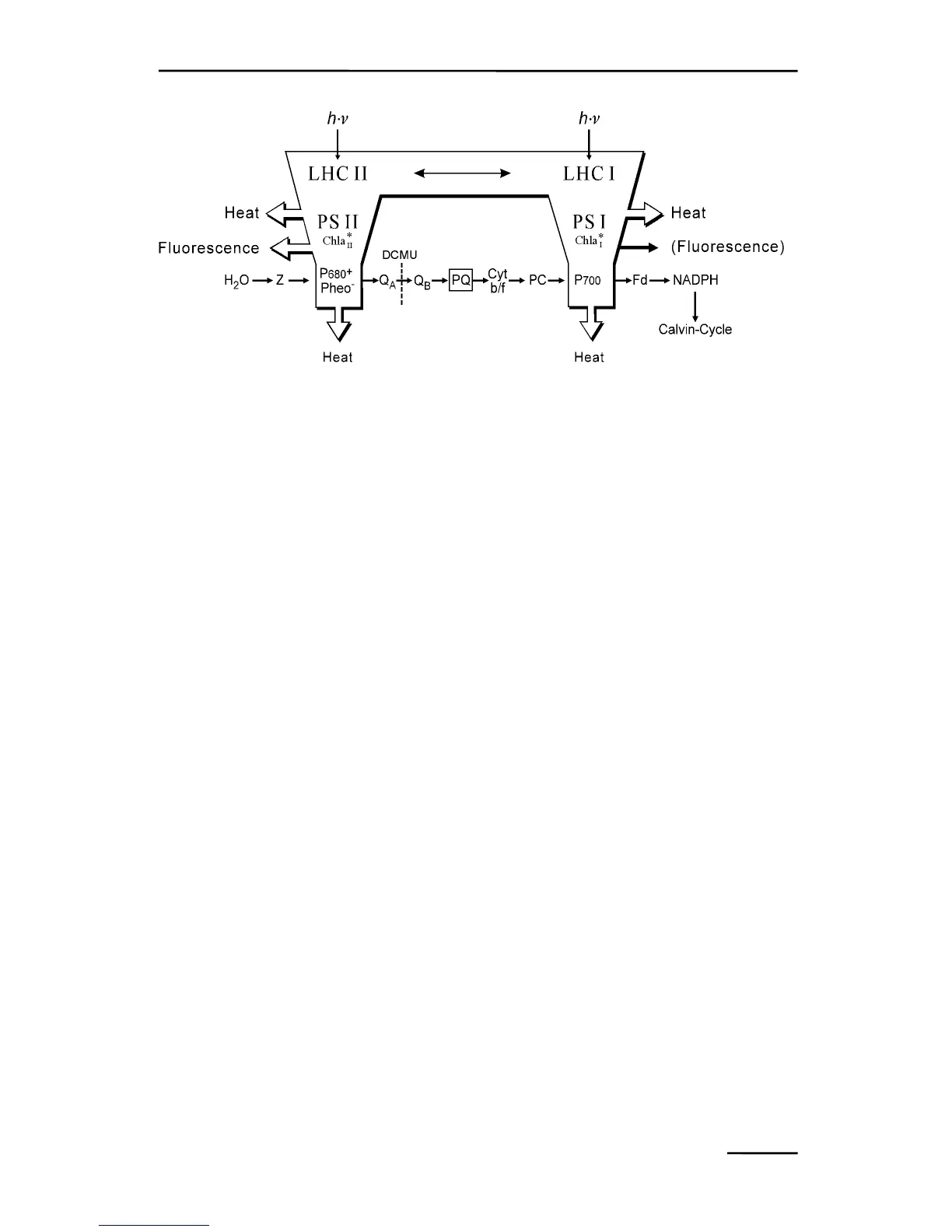
Fig. 9: Schematic view of primary energy conversion and primary
electron transport in photosynthesis. LHC, light harvesting
pigment-protein complex; P680 and P700, energy
converting special chlorophyll molecules in the reaction
centers of photosystem II (PSII) and photosystem I (PSI),
respectively; Pheo, pheophytin; DCMU, PSII inhibitor
(diuron); PQ, plastoquinone; PC, plastocyanin; Fd,
ferredoxin
The indicator function of chlorophyll fluorescence arises from
the fact that fluorescence emission is complementary to the
alternative pathways of de-excitation, which are photochemistry and
heat dissipation. Generally speaking, fluorescence yield is highest
when the yields of photochemistry and heat dissipation are lowest.
Hence, changes in fluorescence yield reflect changes in
photochemical efficiency and heat dissipation. In practice, the
variable part of chlorophyll fluorescence originates mainly in
photosystem II and excitation transfer to photosystem I may be
considered an additional competitive pathway of de-excitation.
Measuring chlorophyll fluorescence is rather simple: The
emission extends from 660 nm to 760 nm, and if shorter wavelength
excitation light is used, separation of fluorescence from the
measuring light is readily achieved with the help of optical filters.
The challenge arises with the wish to measure fluorescence in
ambient daylight and to use very strong light for the so-called
59



 To Next Page