To Next Page
A
Alex DunnSep 8, 2025
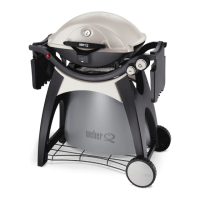
What to do if my Weber 300 Grill has low LP fuel?
- CCorey MasonSep 8, 2025
If the LP fuel is low or empty, refill the LP cylinder.

What to do if my Weber 300 Grill has low LP fuel?
If the LP fuel is low or empty, refill the LP cylinder.
What to do if fuel hose is bent or kinked in Weber 300 Grill?
If the fuel hose is bent or kinked, straighten the fuel hose.
What to do if the excess flow safety device has been activated in my Weber 300 Grill?
To reset the excess flow safety device, close the LP tank valve and turn all burner control knobs to the OFF position. Open the grill lid. Slowly turn the LP tank valve until it is completely open. Wait at least one minute; then ignite your grill. Refer to “IGNITION.”
What to do if my Weber Grill is experiencing flare-ups?
Flare-ups can occur if you're not preheating the grill correctly. Ensure all burners are on HI for 10 to 15 minutes during preheating. Also, check if the cooking grates are heavily coated with burned-on grease and clean them thoroughly. A dirty cookbox that prevents grease from flowing into the catch pan can also cause flare-ups, so make sure to clean the cookbox.
Why is the flame pattern erratic on my Weber 300 burner?
An erratic flame pattern, low flame, or flames not running the whole length of the burner tube usually indicates that the burners are dirty. Clean the burners to resolve this issue.
Why doesn't my Weber Grill Out™ Handle Light work?
If your Weber Q Grill Out™ Handle Light does not light: * Replace the batteries if they are old. * Ensure the batteries are installed correctly by referring to the assembly illustration. * Make sure the lid is in the up position with the power button ON, as the light activates when the lid is open. * Activate the light by pressing the power button.
Crucial instructions for safe operation, including immediate actions for gas leaks.
Key warnings regarding storage, use by children, heat, and materials.
Detailed diagrams and lists for Q300 model components.
Detailed diagrams and lists for Q320 model components.
Lists necessary tools and specific hardware for assembly and maintenance.
Comprehensive instructions for assembling the grill, covering all numbered steps.
Information on warranty coverage, limitations, and registration.
Guidelines for operating the grill and proper storage procedures.
Tips for safe handling, filling, and transport of liquid propane cylinders.
Instructions for connecting the gas cylinder and performing leak checks.
Procedure for refilling LP cylinders and specifications for compliant tanks.
Checks for catch pan, igniter, and hose integrity before operation.
Detailed steps for lighting the grill burners using various ignition methods.
Guidance on preheating, cooking methods, and basic grilling tips.
Addresses common problems like flame issues, ignition failures, and flare-ups.
Procedures for cleaning, burner maintenance, and ignition system care.
 General