Irrigation IOM
Sensors
| 23 |
3
.
5
HOW TO AVOID AIR POCKETS IN THE PIPELINES
This paragraph is intended to help the designers and users of electromagnetic flowmeters to create the best
installation layout that guarantees optimum performance of the meter, taking into particular consideration the
problem of the presence of air pockets in the pipe.
What are the problems caused by the air pockets entrapped in any flowmeter?
The presence of air pockets can cause serious reading errors or strong instability. In this case, the flowmeter
could go into Error mode (see the related converter manual).
How are air pockets removed, or moved away from the flowmeter?
The air pocket inside a pipe always moves toward the top of the pipe, and it is assumed that the air will always
move if the flow passes along a horizontal pipe, but this is not the case. Instead, a specific water speed is required
to move the air; the greater the diameter of the pipe, the higher the airspeed is required to move it away from
the flowmeter.
Typically, most installations of flowmeters are simply sized on the diameter of the tube or on the flow rate in the
pipe, which means that the speed is often less than 0.5 m/s, which can be very problematic if the air pockets occur.
As an example in a pipe with zero gradients, these are the specific water speeds necessary to move away the
air pockets detected in the tube:
DN50 0.4 m/s
DN150 0.7 m/s
DN300 1 m/s
DN600 1.5 m/s
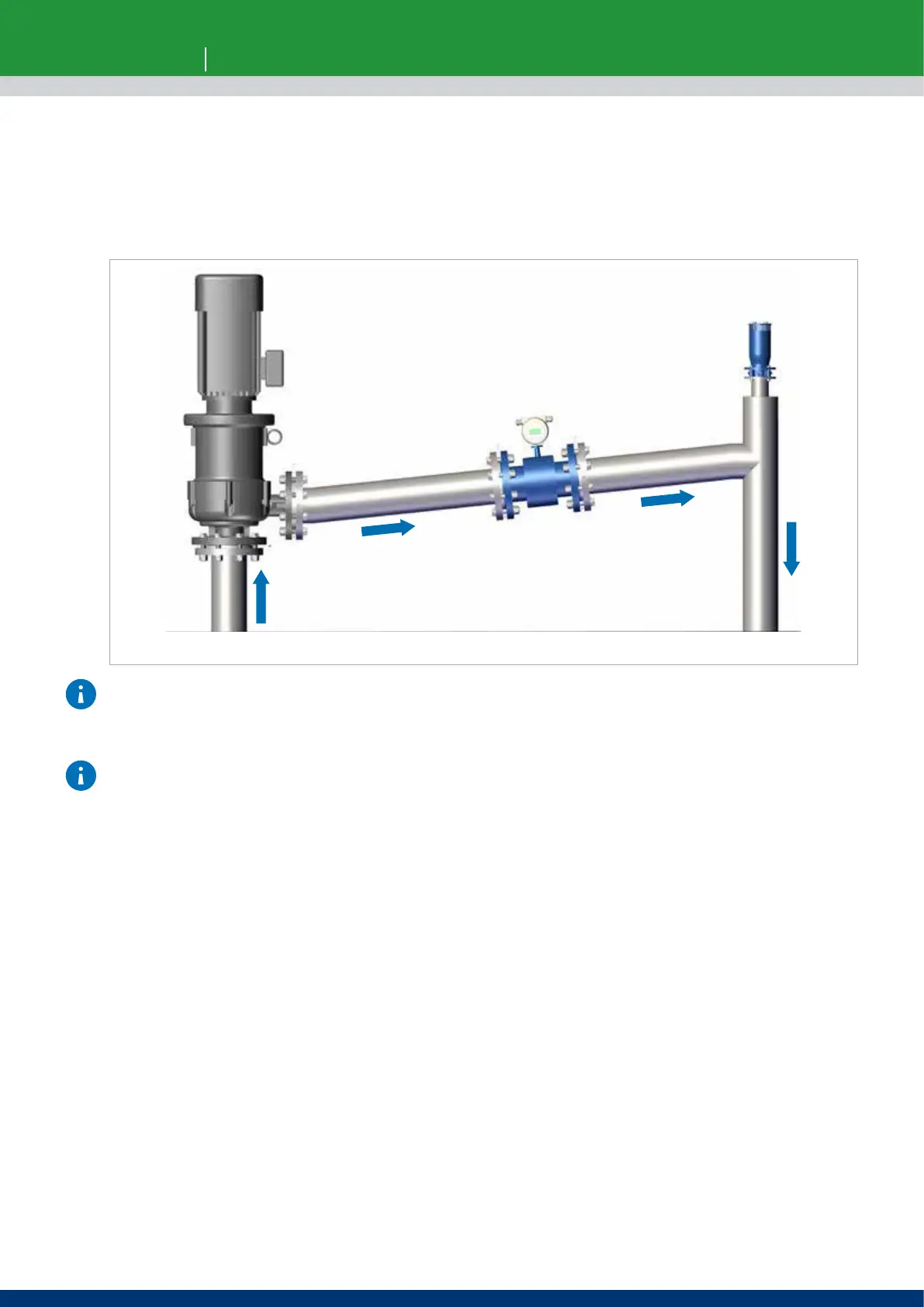
Fig. 36 Pumping stations with flowmeters and vent valves


 To Next Page